
Nutrition Alone Not Enough for Education Quality: Prabowo
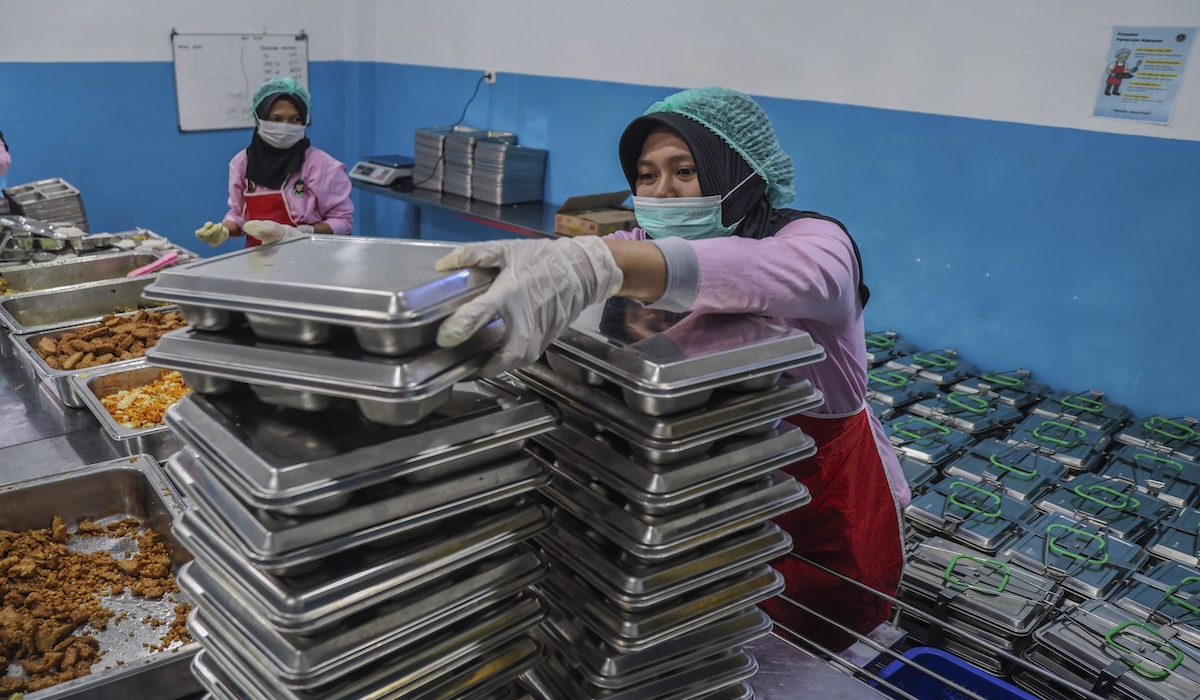
President Prabowo Subianto has stressed that fulfilling children’s nutritional needs is insufficient without a significant improvement in the quality of education. He made the remarks during the MPR Annual Session and the Joint Session of the DPR and DPD in Jakarta on Friday (14/8). “Providing nutritious meals alone, we realise, is not enough. Our children must receive a good education,” President Prabowo stated. He emphasised that the government is currently running the largest school improvement programme in Indonesia’s history to support this vision. This year, the government claims to have renovated more than 71,744 schools, a sharp increase from approximately 17,000 the previous year. The target is set to rise to 100,000 schools per year in 2027 and 2028, with the ambition of completing the renovation of all schools and Islamic boarding schools (pesantren) in Indonesia by 2029. This infrastructure improvement also extends to remote areas such as Miangas Island. To ensure equitable services in isolated regions from Sabang to Merauke, the government has formed a special task force that will also target the improvement of health facilities like community health centres (puskesmas). Beyond physical buildings, digitalisation is a key pillar. The government aims for every school to have four classrooms equipped with interactive flat panel screens by December 2026. These devices will allow access to a global curriculum and learning materials that students can review independently, even from home. Another strategy involves building centralised studios where the best teachers will broadcast distance learning sessions to thousands of schools. “For any subject, we will gather the best teachers,” Prabowo asserted. On the curriculum side, Prabowo is pushing for foreign language instruction starting from the first grade of primary school. Languages prioritised include English, Mandarin, Arabic, Japanese, Korean, Spanish, French, and Russian. Early mastery of foreign languages is deemed crucial for the younger generation to possess high competitiveness in the global job market. The President views the demand for international labour as a major opportunity, making the combination of adequate school facilities, digital technology, and foreign language skills the key to preparing Indonesia’s future generation on the international stage.