
Nusron outlines mechanism for resolving agrarian conflicts
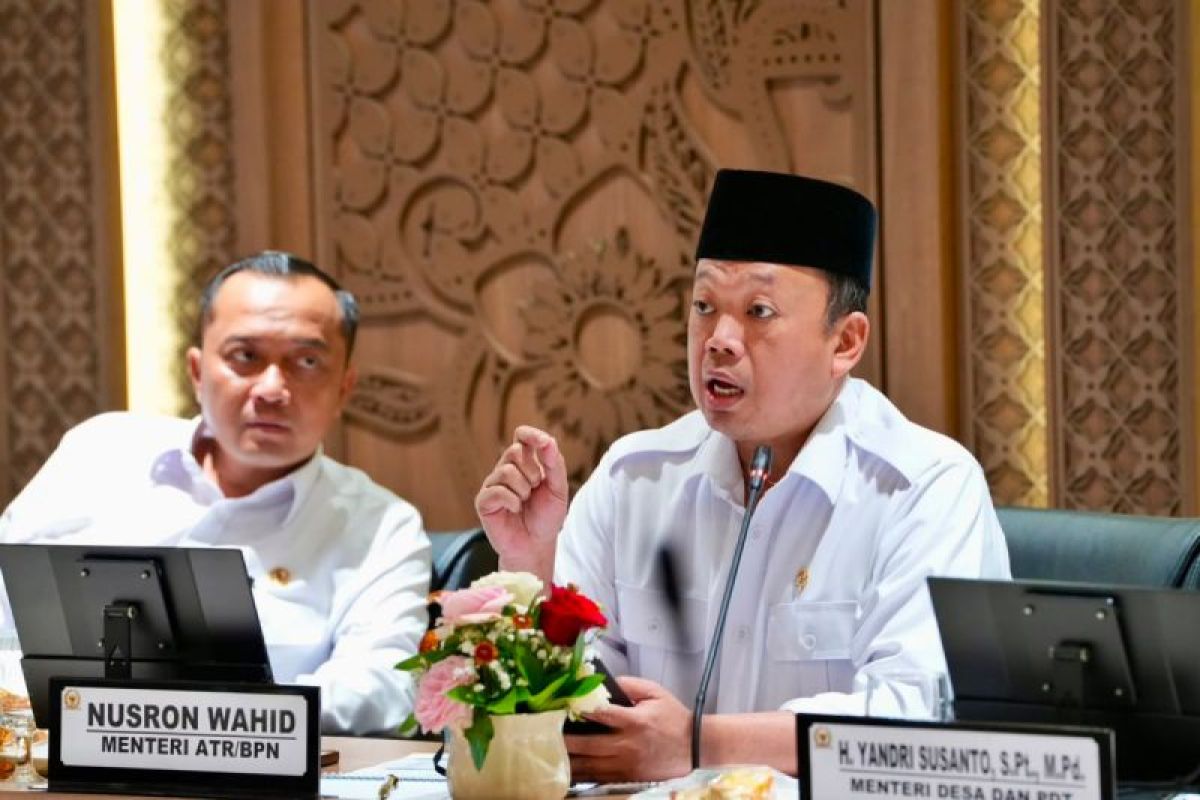
Agrarian and Spatial Planning Minister/Head of the National Land Agency (BPN) Nusron Wahid has explained that resolving agrarian conflicts must consider the status of the land, as this determines the settlement mechanism. “Agrarian conflicts and Agrarian Reform fall into three categories,” Nusron said in Jakarta on Tuesday. According to him, the first category involves conflicts related to forest areas, the second involves conflicts with assets of state-owned enterprises (BUMN) or government assets (BMN), and the third involves conflicts related to private assets or land. Nusron explained that the land status is the key determinant of the steps the government can take in the resolution process. If a conflict involves private parties, the government has more flexibility to bring the parties together and find a solution. However, when dealing with conflicts involving state assets, greater caution is required because it will affect state management and finances. “If it is a clash with the private sector, it is relatively easy for us to resolve. We summon the private party. If they don’t comply, we revoke their permit. The problem arises if it is a claim against BUMN assets or state assets, such as those belonging to the TNI or Polri. Because there are legal complications. There are state finance laws and so on. If we release it, it will become a corruption issue,” Nusron said. Similarly, if an agrarian conflict occurs on land within a forest area, the resolution must follow the forest release mechanism in accordance with applicable regulations. “If it’s with the forest, then the forest status must be released,” Nusron stated, following a coordination meeting with the leadership of the House of Representatives to discuss efforts to resolve agrarian conflicts and Agrarian Reform.