
Nurul Arifin Highlights Deepfakes to Sextortion, Calls for Strengthened Protection for KSBE Victims
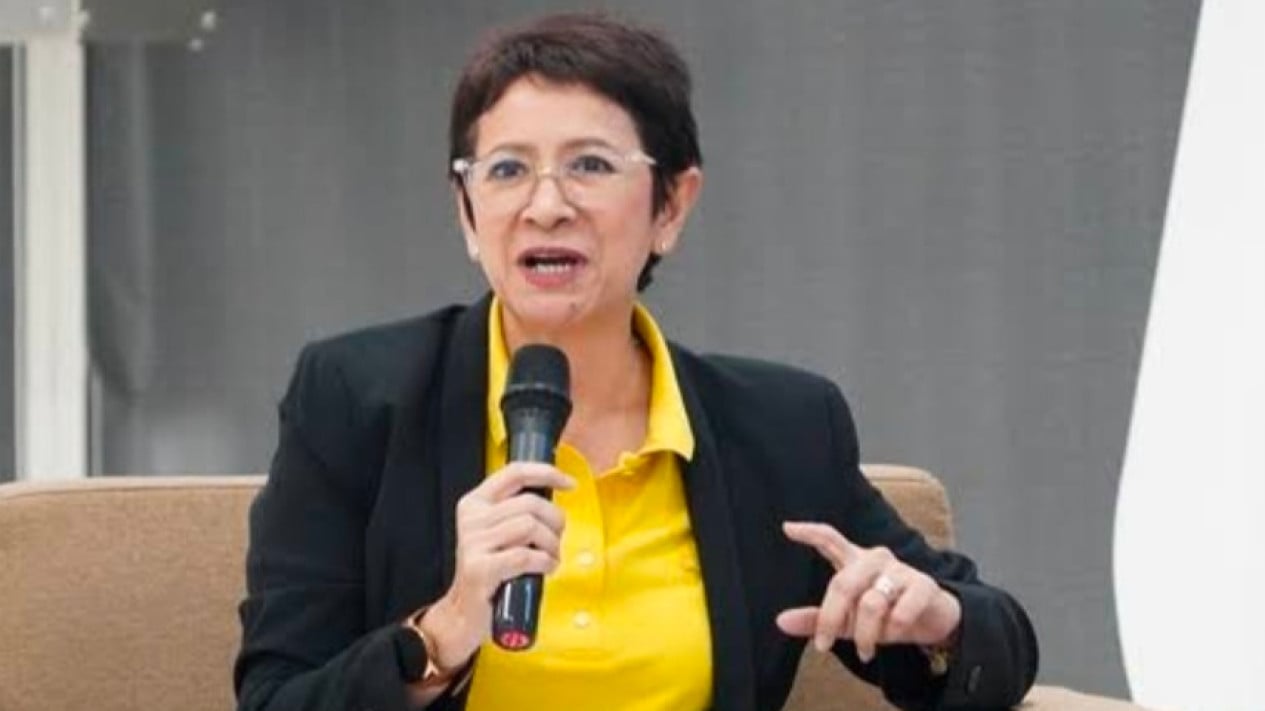
Jakarta – A member of Commission I of the Indonesian House of Representatives from the Golkar Faction, Nurul Arifin, has spotlighted the prevalence of sexual violence and harassment cases in Indonesia, such as those occurring in Pati. In particular, she noted that threats against women and children are becoming increasingly complex, especially in the digital space through Electronic-Based Sexual Violence (KSBE). She stated that KSBE has now become one of the most alarming forms of sexual violence because it exploits social media, chat applications, and artificial intelligence (AI) technology. “Now the threats are not only in the real world. The dissemination of intimate content without permission, sextortion, cyber harassment, cyberstalking, to sexual deepfakes are increasingly rampant, and the majority of victims are young women,” said Nurul Arifin in her statement on Friday, 8 May 2026. Nurul, who is also the Chair of the Media and Opinion Mobilisation (MPO) Division of the Golkar Party, explained that the most common patterns of KSBE include the distribution of intimate photos or videos without the victim’s consent, threats to distribute sexual content for extortion or sextortion, secret recordings, to sexual harassment through digital messages and video calls. In addition, new modi operandi have emerged, such as manipulating photos using AI technology or deepfake porn, which attaches the victim’s face to a naked body for dissemination on the internet. Based on data from complaints of Online Gender-Based Violence (KBGO), KSBE cases have risen sharply throughout 2024. There were around 480 complaints in the first quarter of 2024, nearly four times higher than the same period in the previous year, which reached 118 cases. The majority of victims are women aged 18 to 25 years, with the most incidents occurring on social media and chat applications. Meanwhile, according to data from Catahu by the National Commission on Violence Against Women, the number of reported sexual violence cases against women reached 24,472 cases up to 2025. Electronic or online-based sexual violence dominates. Nurul assessed that the high number of cases indicates that society’s digital literacy has not been able to keep up with the very rapid development of technology. “Victims often experience layered trauma because they are not only harassed but also publicly shamed on the internet. Once spread, the digital traces are difficult to erase,” she said. She added that many victims are reluctant to report due to fears of stigma and victim-blaming from their surroundings. In terms of law, Nurul emphasised that Indonesia already has a legal umbrella through Law No. 12 of 2022 on the Elimination of Sexual Violence.