
Nurturing reason, safeguarding the future
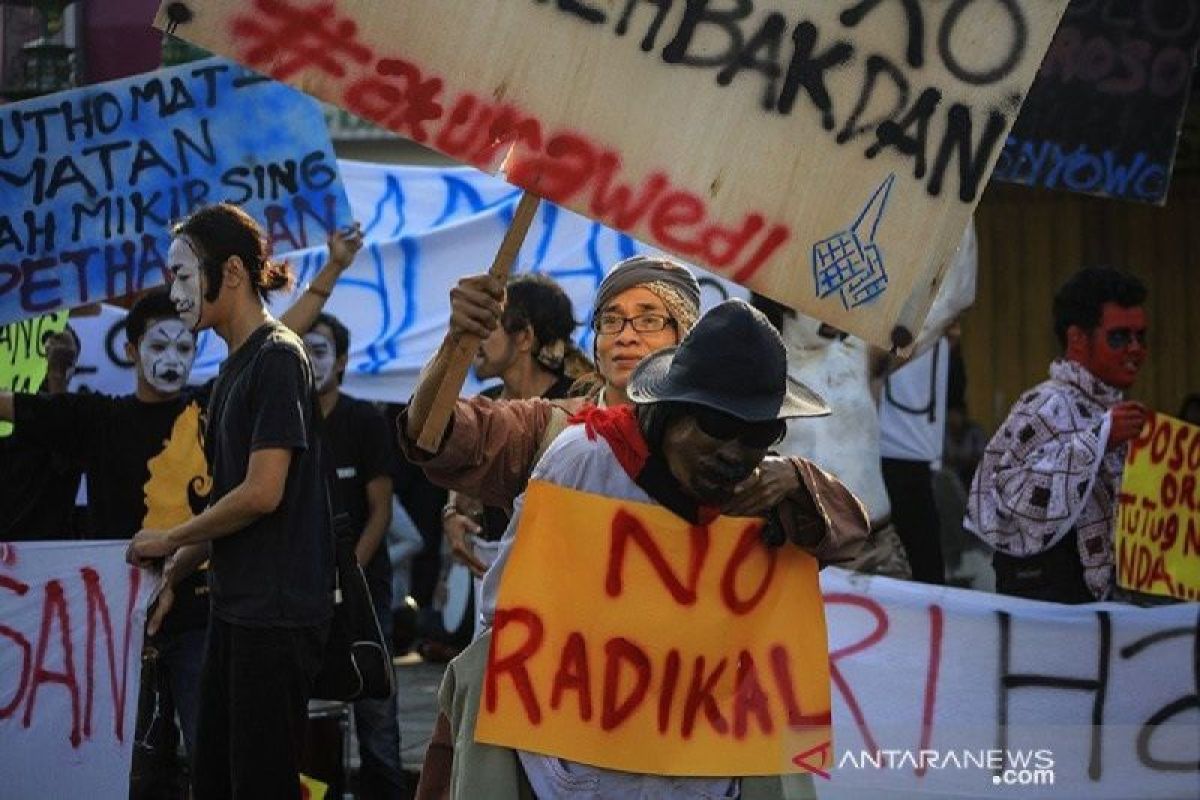
Amid the torrent of digital information, the strongest bastions remain a warm family, a guiding school, an inclusive community, and a state present through policies that side with child protection.
Surabaya (ANTARA) - The sound of children’s laughter in the schoolyard has always been a sign that a nation’s hope is growing. Yet behind the bustle of learning activities, there is another space now shaping the way they think.
That space has no walls, knows no lesson hours, but arrives through the screens of mobile phones held in their hands every day. There, information, entertainment, and various ideologies compete for attention, including intolerant, radical, and extremist ideas, right through to terrorism.
The threat of radicalism to children is no longer synonymous with secret meetings or closed-door lectures. Digital technology has changed its pattern of dissemination into something subtler, more personal, and harder to recognise.
Social media algorithms are capable of serving up content that repeats endlessly according to a user’s interests. Once a child becomes drawn to certain content, the digital system can deliver increasingly extreme material without them realising it.
This phenomenon is not mere speculation. The United Nations, through its various studies on preventing extremism, has affirmed that the digital space has become one of the main mediums for spreading violent ideology.
Extremist groups exploit social media, online forums, digital games, and chat applications to reach young generations searching for their identity.
Indonesia faces a similar challenge. The National Counter-Terrorism Agency (BNPT) has repeatedly warned that the spread of radical ideology now takes place more through the digital space than face to face. Its primary targets are young people with high internet usage.
For this reason, protecting children from radicalism can no longer be understood merely as a matter of state security. The issue has become part of child rights protection, character education, mental health, and family resilience.
This awareness appears to be taking shape in the Surabaya City Government through its collaboration with Densus 88, the police counter-terrorism unit.
The award from the National Police Chief recently received by Surabaya Mayor Eri Cahyadi is not merely ceremonial appreciation, but recognition of a preventive approach that places families, schools, and communities as the first line of defence against the spread of extremist ideology.