
Nurturing peace in Aceh, nurturing Indonesia
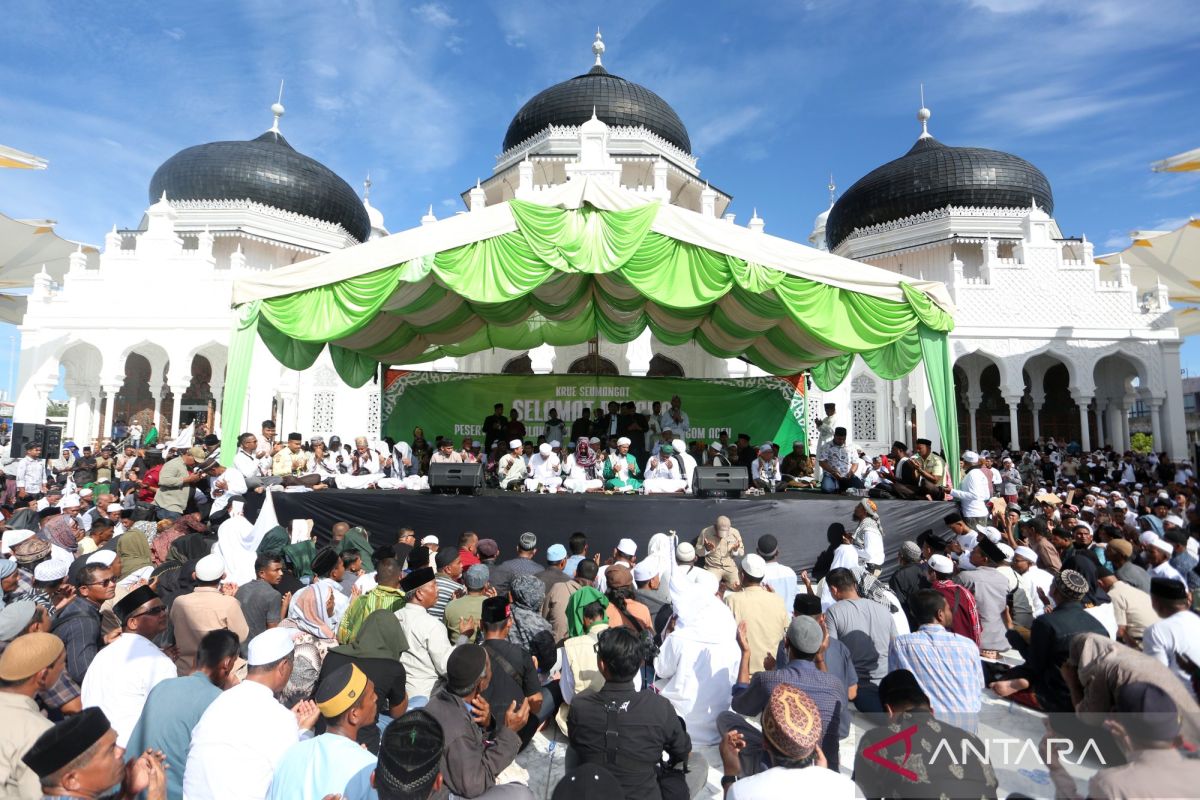
Aceh has offered a valuable lesson: peace is born of the courage to engage in dialogue, but it endures only through justice.
The 21st anniversary of the Aceh peace on 15 August 2026 should have been a moment to celebrate Indonesia’s success in ending a prolonged conflict.
Yet the clashes that occurred during the Aceh Peace Day commemoration instead underscored that peace is not enough merely to be signed; it must be continuously nurtured.
Quoting ANTARA (15/08/2026), the 10th and 12th Vice President Jusuf Kalla assessed that the clashes were more related to internal dynamics and dissatisfaction with local leadership, rather than a rejection of the central government.
Jusuf Kalla’s statement deserves broader scrutiny. Aceh is not merely a story of past conflict, but a mirror of how the Republic of Indonesia treats regions with distinctive histories, identities, and political experiences outside Java.
The Aceh peace was born through a complex political process before the emergence of the Helsinki Memorandum of Understanding (MoU) on 15 August 2005, which formally ended the conflict between the Government of Indonesia and the Free Aceh Movement (GAM).
The agreement was subsequently enshrined in Law Number 11 of 2006 on the Governing of Aceh, which granted broad autonomy as a political formula to rebuild trust between Aceh and Jakarta.
This signalled that the Aceh peace was never merely a security matter, but rather a political, social, economic, and psychological contract.