
Nurturing Pancasila from the village alley
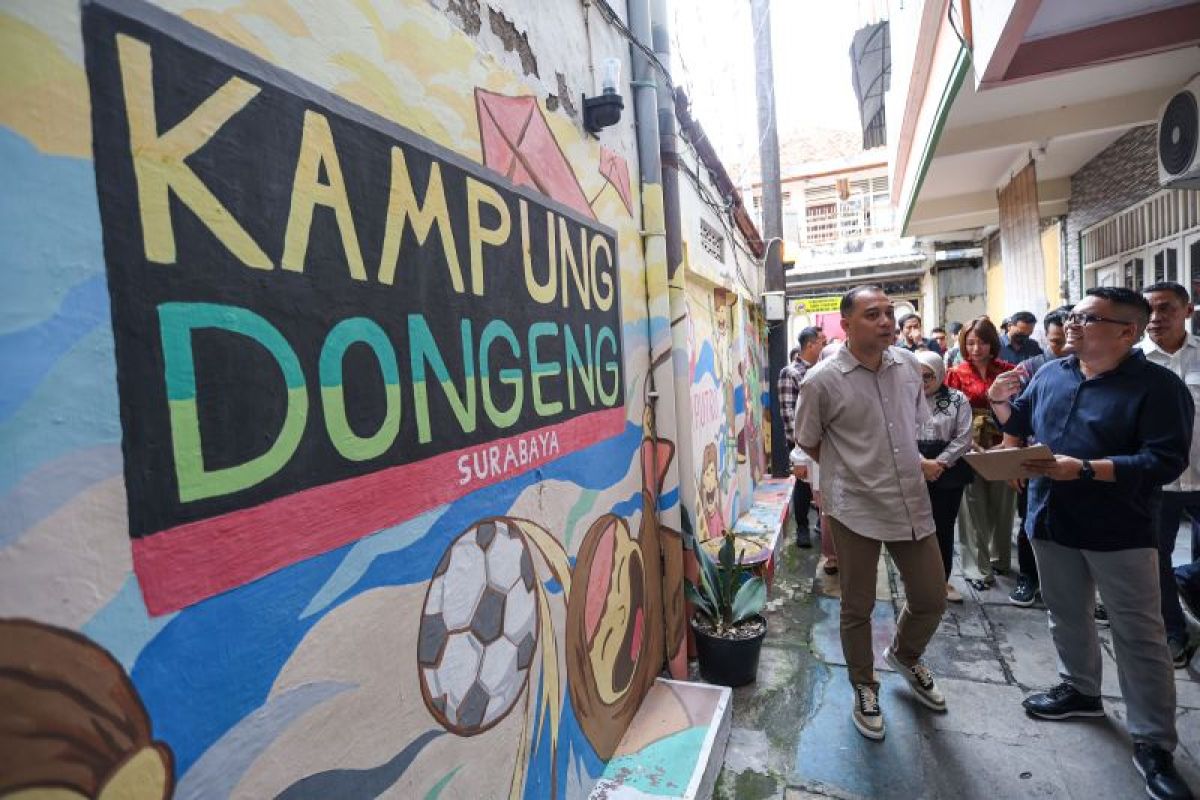
There are great things that grow from seemingly small habits. Greeting neighbours, sharing food, maintaining neighbourhood security, helping families in difficulty, or working together to clean drainage channels may never make the headlines. Yet it is from such habits that a sense of belonging to one another is formed.
In Surabaya, East Java, these habits are to be strengthened through the Kampung Pancasila Programme. The Surabaya city government will hold a Kampung Pancasila competition from September to December 2026 involving all neighbourhood units (RW) across 153 urban villages. Assessment covers four pillars: environment, community, economy, and socio-culture.
The idea is compelling because Pancasila is not positioned merely as material to be memorised or a symbol displayed in public spaces. Its values are brought to the places closest to residents’ lives.
This is where the real challenge begins. The competition must not merely produce villages that appear most orderly when assessed, but are not necessarily the strongest in sustaining solidarity once the competition ends.
For Pancasila is not about who wins the most awards. Pancasila is tested by how residents treat their neighbours, resolve shared problems, protect vulnerable groups, care for the environment, and ensure no resident feels left behind.
Not ceremonial
The Kampung Pancasila Surabaya programme was designed from the outset to be broader than symbolic activity. In August 2025, the Surabaya city government launched the programme at 1,360 points spread across 153 urban villages. The programme is directed at identifying and addressing residents’ problems, including poverty, high-risk pregnancies, school dropouts, and open unemployment.
Strengthening continues in 2026 with the involvement of around 12,000 civil servants to assist 1,361 neighbourhood units. The move shows that the government wants to bring problem-solving closer to the neighbourhoods where residents live.
This scale makes Kampung Pancasila worthy of being viewed as a policy laboratory at the lowest level. Major city problems are translated into more concrete work, from waste, security, family economy, and health to education.
Therefore, the competition should serve as a tool to accelerate improvement, not as an end in itself. Competition can indeed boost residents’ enthusiasm, but it also carries risks. Areas may be tempted to pursue things that are easily visible during assessment, while deeper problems remain untouched.
The most orderly village is not necessarily the most Pancasilaist. The measure is not merely decorated gateways or bustling activities. The ability to solve problems together is far more important.
When residents are able to raise assistance for a sick neighbour, prevent a child from dropping out of school, or resolve environmental issues without always waiting for the government, it is there that Pancasila finds its concrete form.