
Nursiah, the Figure Behind the Decline of Extreme Poverty in Tastura
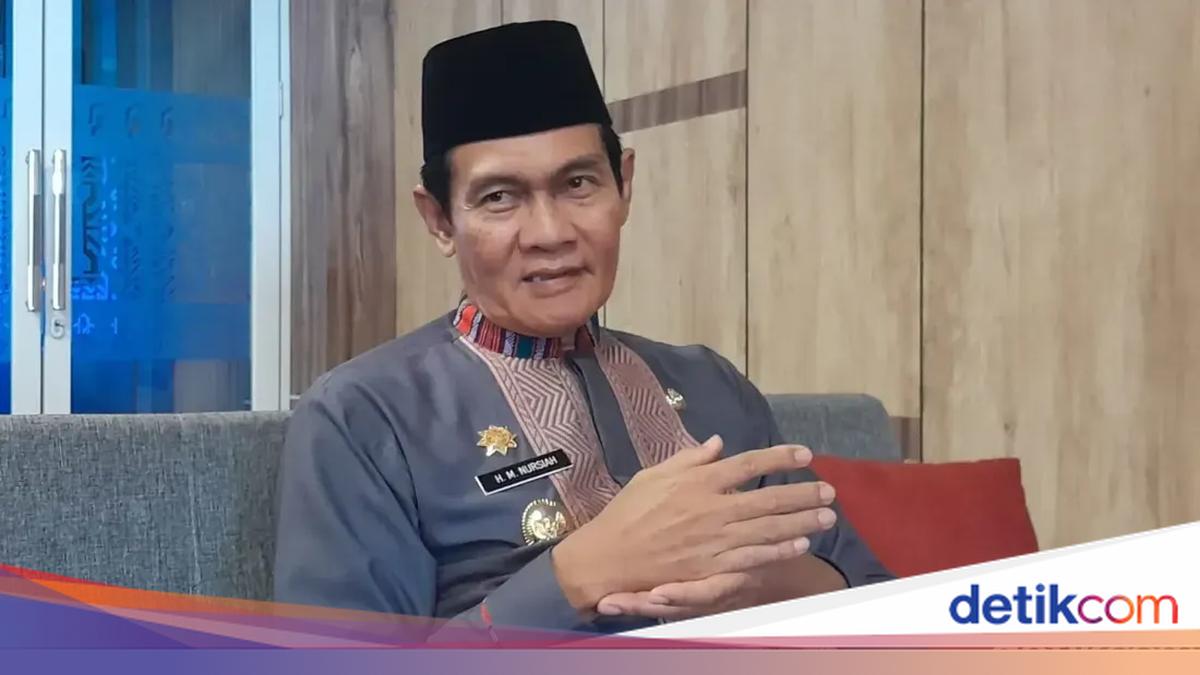
The decline in extreme poverty in Central Lombok Regency, West Nusa Tenggara (NTB), in recent years cannot be separated from the role of HM Nursiah. As Deputy Regent and Chair of the Regional Poverty Reduction Coordination Team (TKPKD) for Central Lombok, she has been a key figure overseeing various poverty alleviation efforts in the area known as Gumi Tatas Tuhu Trasna (Tastura). By 2025, the extreme poverty rate in Central Lombok was successfully reduced to 1.39 per cent, a decrease of around 13,000 people. Entering 2026, the number of residents living in extreme poverty fell further to 0.72 per cent, or approximately 8,000 people out of a total population of 1.1 million.
For Nursiah, tackling extreme poverty requires more than just temporary aid. The senior bureaucrat, who has held various career positions within the Central Lombok Regency Government, believes that a targeted, data-based approach is key to ensuring programmes genuinely reach the communities in need. In her capacity as Chair of the TKPKD, Nursiah strengthened cross-sector coordination, updated poverty data, and expanded the scope of interventions through the regional budget (APBD) as well as support from the National Alms Agency (Baznas) and corporate social responsibility programmes. “We cannot work optimally if our data is still a mess. That is why, under the direction of the Regent, we always emphasise this, so we know what the community actually needs,” she said.
Together with Central Lombok Regent Lalu Pathul Bahri, Nursiah is committed to building Tastura into a more developed and prosperous region. As a percentage, the extreme poverty rate in Central Lombok is among the lowest in NTB. However, the large population means the absolute number of people in extreme poverty remains relatively high. This situation is Nursiah’s primary focus in pursuing the target of zero per cent extreme poverty by 2029. “Poverty alleviation cannot be done by the Regional Government alone. It requires collaboration from all parties,” she added.
This commitment is realised by building communication with various stakeholders, not just relying on the APBD. One result is the provision of hundreds of liveable houses for the community through the Self-Help Housing Stimulant Assistance Programme (BSPS) from the Ministry of Housing and Residential Areas (PKP), facilitated by the aspiration of Deputy Speaker of the Indonesian House of Representatives, Sari Yuliati. “Alhamdulillah, we have now received hundreds of new buildings from the BSPS Programme through the aspiration of Ibu Sari Yuliati,” she said.
According to Nursiah, poverty is a multidimensional issue requiring the involvement of all elements. The business sector is encouraged to be more supportive of local workers, universities are expected to contribute through research and social solutions, banks are urged to expand financing access, while youth organisations and social communities are involved in village community empowerment. “As I often say at every event, work like this cannot be done by the Regent and Deputy Regent alone. All parties must collaborate to handle this,” she stressed.
She also believes that the orientation of local government policy must continue to be directed towards programmes that have a direct impact on the community. Poverty alleviation, she argues, cannot be achieved through ceremonial approaches or temporary aid alone, but requires policy alignment and real budgetary support. Therefore, the Central Lombok APBD needs to be increasingly focused on sectors that directly affect the poor, such as agriculture, MSMEs, education, health, job training, and strengthening the village economy. “Going forward, including next year’s budgeting, we will certainly build more sectoral commitments from Regional Apparatus Organisations (OPD) in designing programme activities. Then, development and coordination with other stakeholders, State-Owned Enterprises (BUMN), Regional-Owned Enterprises (BUMD), and banks, and directing this into a commitment strengthened by a Regent’s Regulation (Perbub),” she explained.
Beyond poverty alleviation, the Central Lombok Regency Government also runs a special scholarship programme for children who are memorisers of the Qur’an (tahfiz 30 juz), orphans, and children from underprivileged families to study at the Faculty of Medicine. This initiative by Pathul-Nursiah has been running since their first term in office through cooperation with several state universities, such as the University of Mataram and UPN Veteran Jakarta. “This has been our priority programme with the Regent since the first term. And Alhamdulillah, these students are now in the final stages of their education,” she said.
Nursiah considers poverty to have a broad impact on various social problems, including stunting and early marriage. Therefore, this issue is a priority for the local government. “It is intertwined. Poverty causes early marriage, and early marriage leads to stunting. Although not entirely the same, many cases found are like this,” she added. Currently, the stunting rate in Central Lombok is recorded at 9.31 per cent, lower than in several other regions. The local government targets this figure to continue declining each year. “Hopefully next year it can move towards 8 or 7 per cent. Because we are also quite focused on reducing this figure by creating innovative programmes. One of them is the Lempot Stunting programme, designed to improve nutritional intake while strengthening the economy of families with stunted or at-risk children,” she explained. Through this programme, target families in 40 red-zone villages receive laying hens complete with coops and feed. The programme is expected to sustainably meet children’s animal protein needs while increasing family income from the produce.