
Numerous US Military Aircraft Flying from Europe to the Middle East, What's Going On?
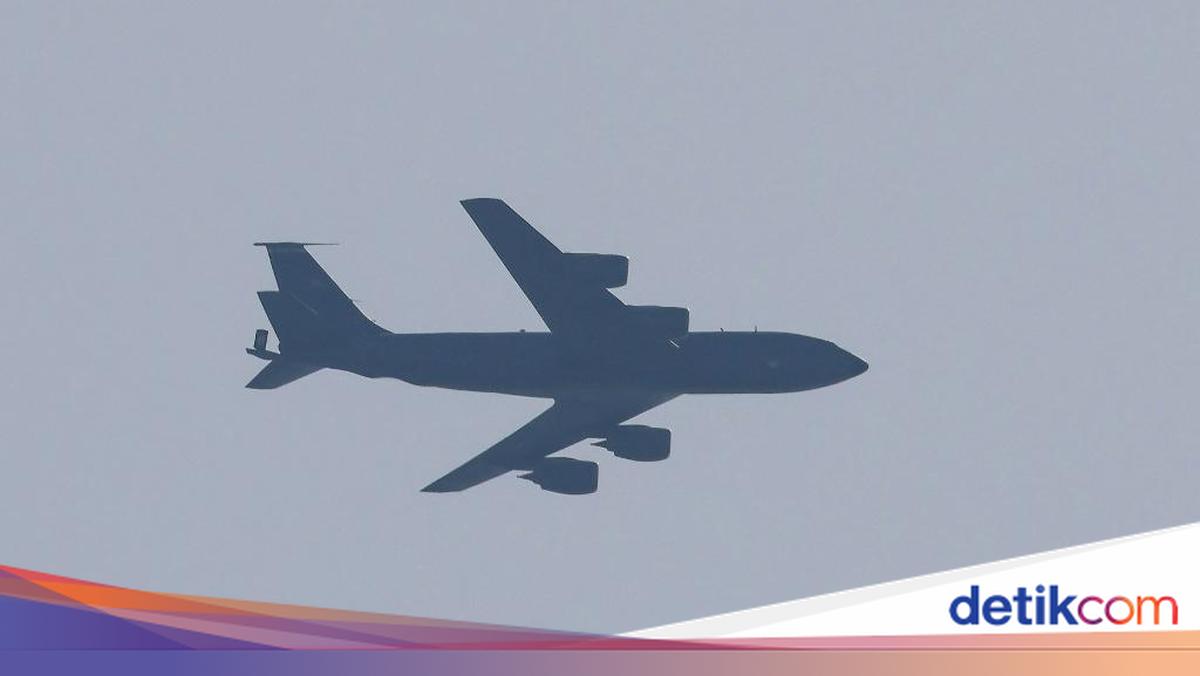
US military air traffic from Europe to the Middle East region has experienced a quite significant increase recently. This was detected as tensions between the US and Iran continue, after peace efforts to end the war stalled. An examination by the Turkish news agency Anadolu Agency, using FlightRadar24 data, as reported by Anadolu on Monday (4/5/2026), found an unusual increase in the number of US military aircraft flying from their bases in Europe to Middle Eastern countries on 2 May. Most of the US military aircraft detected heading to the Middle East consisted of military transport planes and aerial refuelling aircraft. Among those military aircraft was the C-17A Globemaster III military cargo plane, which can carry around 77 tons of cargo and about 100 personnel. The Lockheed C-5M Super Galaxy transport aircraft, the largest in the US Air Force, with a capacity of around 127 tons, and the Boeing KC-46 Pegasus tanker aircraft, manufactured by Boeing and used for aerial refuelling and strategic transport, were also observed operating in European and Middle Eastern airspace, according to Anadolu Agency. At least 12 US military transport aircraft were reported en route to the Middle East, some of which departed from Germany. The Boeing KC-135 Stratotanker aerial refuelling aircraft was also among those flying to the region, with at least four refuelling planes observed operating around Israel and surrounding areas. In addition, a US signals intelligence (SIGINT) reconnaissance aircraft, the Boeing RC-135W Rivet Joint type, was seen operating in the skies near Bahrain. Anadolu Agency reported that several military transport aircraft departing from the US were also detected flying without confirmed destinations at this stage. Tensions remain high in the Middle East since the war broke out on 28 February. The Strait of Hormuz, a strategic waterway for global oil and gas supplies, was closed by Iran as a result of the war. In retaliation, the US imposed a naval blockade on Iranian maritime traffic in that important waterway. A two-week ceasefire was announced on 7 April through mediation by Pakistan, followed by peace talks in Islamabad on 11 April. However, the negotiations ended without any agreement to permanently end the war. US President Donald Trump then extended the ceasefire without setting a new deadline, following a request from Pakistan as mediator. To date, peace efforts continue to be made by the mediator but have not resulted in a new meeting.