
Number of out-of-school children in North Jakarta reaches 22,000
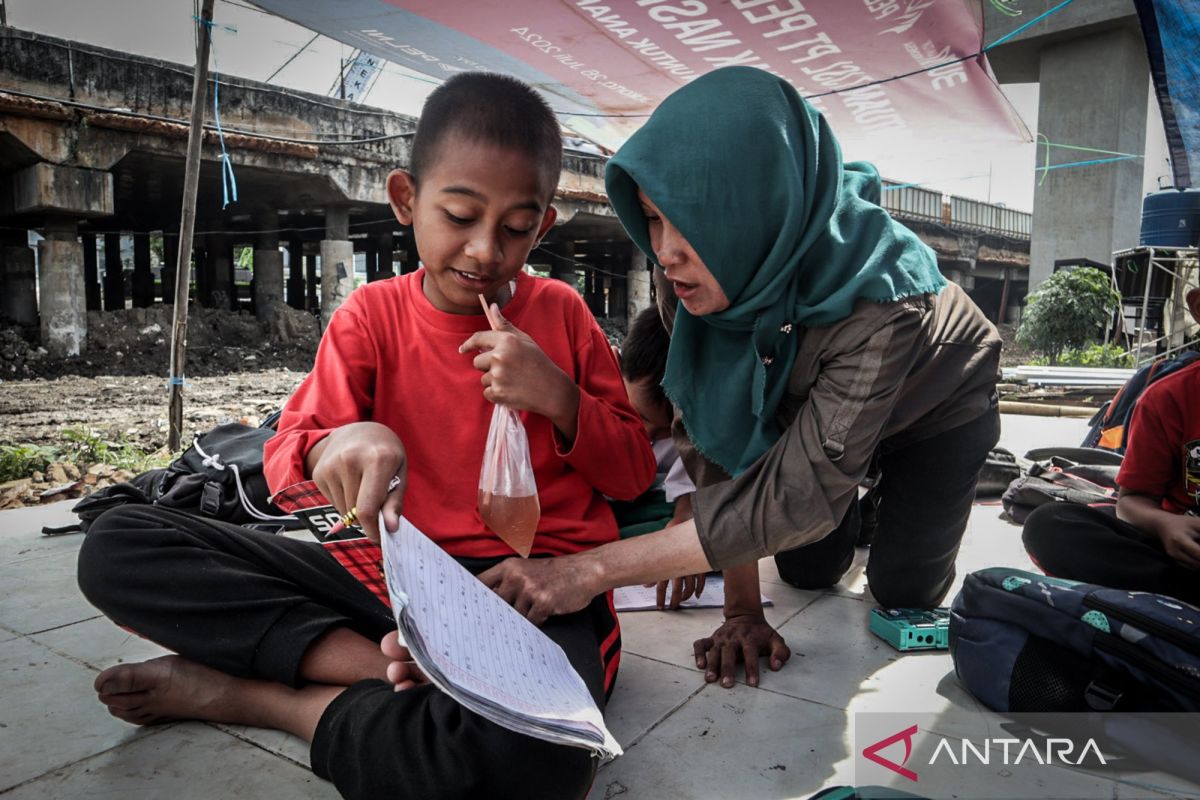
The Chair of the Early Childhood Education and Equity Working Team at the DKI Jakarta Education Quality Assurance Agency (BPMP), Heni Mulyani, stated that the number of out-of-school children (ATS) in North Jakarta, based on data from the Ministry of Basic and Secondary Education (Kemendikdasmen), exceeds 22,000 people. “This condition is a shared challenge and must be addressed cross-sectorally because it is not merely an education issue, but a crucial social problem,” said Heni Mulyani during the Signing of the 13-Year Compulsory Education Commitment in North Jakarta on Tuesday. According to her, the compulsory education programme demonstrates that the government is obliged to provide education services for 13 years to all children. “The regional government, together with all stakeholders, must be present to ensure that this right is fulfilled,” said Heni. She added that starting from 2025, the compulsory education policy will increase from 12 years to 13 years with the addition of one year of pre-school. “The additional one year is not on top, but below, namely one year of pre-school or early childhood education (PAUD), which is now part of compulsory education,” she said. Meanwhile, the Mayor of North Jakarta, Hendra Hidayat, stated that the education challenges in North Jakarta are still quite significant, especially the high number of out-of-school children. According to him, this requires serious attention and cross-sectoral collaborative work. “No one can work alone, and everyone must move together according to their functions and authorities,” he said. The North Jakarta city government is taking several strategic steps to address out-of-school children, starting from strengthening cross-sectoral synergy, updating and verifying ATS data accurately, optimising the role of PAUD Mothers and the community, collaborative and persuasive approaches to get children back to school. “And strengthening collective commitment through concrete and sustainable steps,” said Hendra.