
Nuclear technology supports the future of Indonesian healthcare
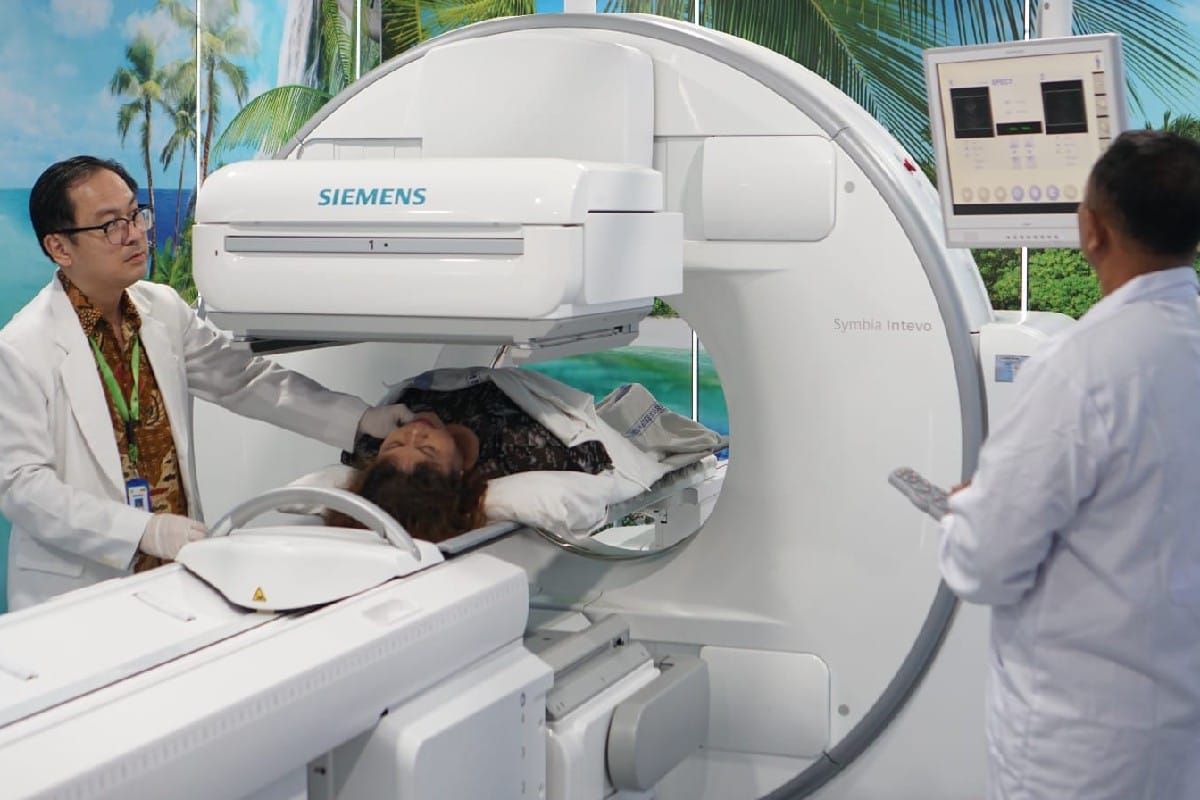
In the nuclear medicine departments of Indonesia’s referral hospitals, critical medical decisions are often determined by tiny traces of biological activity within the human body. From signals invisible to the naked eye, doctors can track the progression of diseases even before physical symptoms manifest.
This approach marks a significant shift in modern medical practice, moving from merely observing organ structures to understanding biological functions at a cellular level. By utilising radiopharmaceuticals—compounds containing radioisotopes in controlled doses—doctors can directly map the body’s metabolic activity. Through this method, diseases are identified not just by their form, but by how they ‘move’ within the body.
In this context, nuclear medicine is part of a broader transformation within the healthcare system. An approach that was previously reactive is now evolving towards more predictive and precision-based services. This shift is increasingly relevant amidst the rising burden of non-communicable diseases, especially cancer. Data from the Global Cancer Observatory (Globocan) shows that Indonesia recorded 408,661 new cancer cases and 242,099 deaths in 2022.
These figures position cancer as one of the greatest health challenges, projected to continue increasing alongside an ageing population and changing lifestyles. In cancer management, time is a decisive factor. The faster a disease is detected, the greater the chance of therapeutic success and the lower the financial burden on both patients and the healthcare system.
Nuclear technology plays a vital role because it can capture biological changes at the cellular level long before organ damage becomes structurally apparent. However, the capability of this technology is not yet evenly distributed. As of mid-2023, the Ministry of Health noted that radiotherapy services were only available in 17 provinces, while nuclear medicine services reached only about 10 provinces.
As a result, many patients still have to travel long distances to obtain timely diagnoses and therapies. As the largest nation in ASEAN, Indonesia faces an ever-increasing demand for services, making the strengthening of nuclear medicine capacity increasingly urgent.