
NU Rais Syuriah: Ithafu Ummati Book Could Serve as Reference at NU Congress
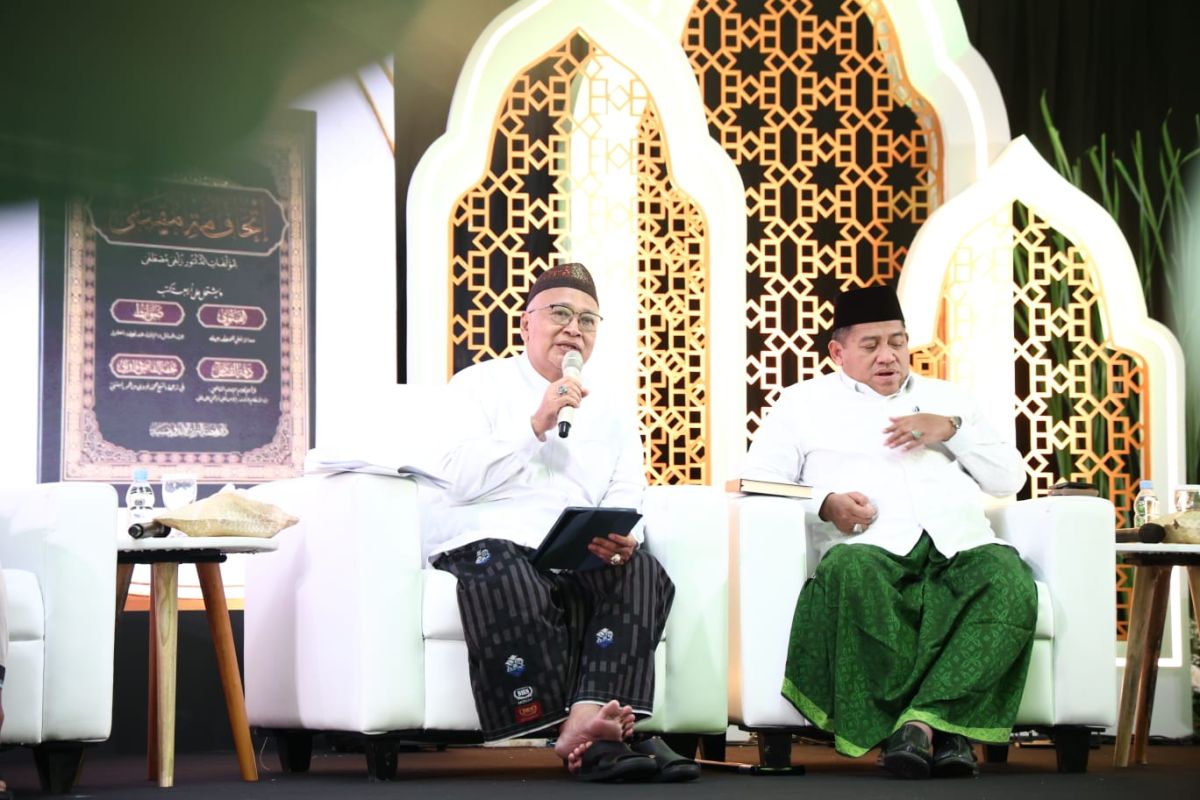
Rais Syuriyah of PBNU Abdul Ghofur Maimun has explained that the book Ithafu Ummati Al-Muqtafa, authored by PBNU Vice Chairman Zulfa Mustofa, could be developed or serve as a reference for the Bahtsul Masail forum during the NU Congress. “The issues in this book need to be given their proper place,” said Gus Ghofur, as Abdul Ghofur Maimun is known, in a statement in Jakarta on Saturday. Gus Ghofur’s statement was made during the book launch and review at the Sunda Kelapa Mosque Hall in Menteng, Jakarta. The launch was appreciated by several NU figures who assessed that the book makes an important contribution to the development of contemporary jurisprudence. Gus Ghofur cited the example of NU Congresses where discussions on Bahtsul Masail issues often receive less attention compared to the dynamics of electing the PBNU General Chairman or Rais Aam. “Books like this need to be presented during the NU Congress or National Conference,” he said. One of the book’s main discussions reviews the methodology of legal decision-making within NU, emphasising the importance of understanding the objectives of Sharia (maqashid sharia), social conditions, customs, and contemporary developments before issuing a fatwa. Echoing Gus Ghofur, PBNU Mustasyar Said Aqil Siroj viewed the book as an important effort to revive the deep, sanad-based, and grounded scholarly spirit of Islamic boarding schools, especially amidst the often shallow torrent of digital information. “Amidst the rapid flow of all-digital and shallow technological information, creating a reference that is firmly rooted in a field of knowledge, like this book, is a fundamental need for the development of science,” he said. PBNU Vice Chairman and author of the book, Zulfa Mustofa, invited scholars, kiai, academics, and the pesantren community to revive the tradition of writing books as part of the effort to maintain the continuity of knowledge and build Islamic civilisation. “The tradition of the ulama is the tradition of knowledge. And the tradition of knowledge will not be strong without the tradition of writing. That is why past ulama not only educated students but also left behind books as an intellectual legacy for the ummah,” said Kiai Zulfa. According to him, from the early days of Islam to its development in the Nusantara, the progress of civilisation was supported not only by the birth of pious and moral scholars but also by the scholarly works they left behind.