
NU and Gus Kikin's Leadership: A Moral Compass and Transformative Vision for the Second Century
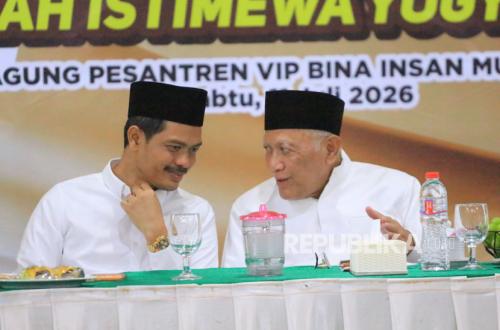
As the dynamics of the 35th Nahdlatul Ulama Muktamar at the Bahrul Ulum Islamic Boarding School in Tambakberas, Jombang, subsided, a new chapter officially began. The election of KH Abdul Hakim Mahfudz—affectionately known as Gus Kikin—as the General Chairman of PBNU for the 2026–2031 period through the consensus of the nine members of the Ahlul Halli wal Aqdi (AHWA) is no historical coincidence.
He represents the culmination of the grassroots Nahdliyin’s collective longing for a leader who is calm, independent, and authoritative at the start of the organisation’s second century. In the midst of a contemporary socio-political landscape that often moves transactionally, the figure of Gus Kikin emerges as a refreshing anomaly.
He is not merely a leader born from structural processes, but a holder of a rare dual legitimacy: both the biological lineage and the ideological lineage of the NU founder, Hadratussyaikh KH Hasyim Asy’ari. As the leader of the Tebuireng Islamic Boarding School, Gus Kikin bears the historical burden of preserving the sacred legacy of the founders, while simultaneously demanding that the organisation reflects upon its original mission (khittah).
Reading Gus Kikin’s profile would be incomplete without delving into the depth of his ideas. I am fortunate to have had quite intense personal interactions with him. Throughout my memory, there have been at least five valuable experiences where I had the opportunity to sit, brew coffee, and engage in warm conversations with Gus Kikin in various spaces and different moments.