
NTT Provincial Government Develops Five Integrated Seaweed Cultivation Clusters
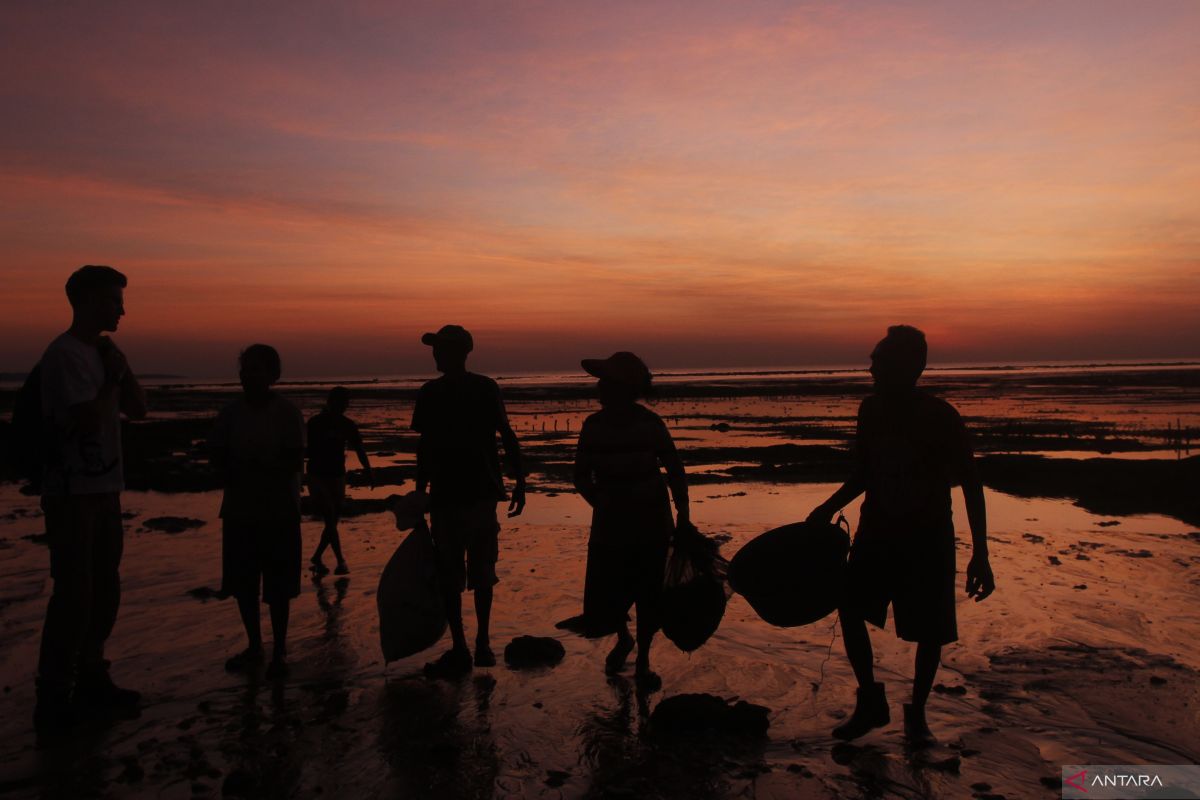
The Provincial Government of East Nusa Tenggara (NTT) is accelerating the development of the seaweed industry through the formation of five cultivation clusters as a strategy to build an integrated business ecosystem from the upstream to downstream sectors.
Acting Head of the NTT Marine and Fisheries Service, Stefania Tunga Boro, stated in Kupang on Wednesday that the provincial government continues to build an integrated seaweed industry ecosystem. This involves developing five cultivation clusters, providing superior seedlings, constructing seedling gardens, strengthening the capacity of cultivators, and developing the processing industry.
The NTT Provincial Government considers seaweed to be one of the region’s leading commodities with significant potential to support the economic growth of coastal communities. However, its development still faces various challenges in both the upstream and downstream sectors.
In the upstream sector, challenges include the sustainable availability of superior seedlings, disease outbreaks such as ice-ice, and the impact of climate change on water quality. Other issues involve the uneven application of modern cultivation technology and Good Fish Cultivation Methods (CBIB), as well as the suboptimal utilisation of cultivation areas.
Meanwhile, in the downstream sector, most harvested seaweed is still marketed in the form of dried raw material, meaning the added value is largely enjoyed by regions with processing industries. Furthermore, limited logistics infrastructure, access to financing, quality standardisation, product certification, and export market access remain ongoing concerns.
Through the development of five cultivation clusters, the local government hopes the seaweed supply chain can be strengthened while encouraging the growth of the processing industry in NTT, allowing local communities to enjoy the commodity’s added value.
She explained that seaweed development is also directed in line with blue economy principles, ensuring that increased production remains mindful of the preservation of coastal and marine ecosystems.
To support these efforts, the NTT Provincial Marine and Fisheries Service, together with the Directorate General of Aquaculture at the Ministry of Marine Affairs and Fisheries and various development partners, continues to provide assistance to cultivators through fisheries extension officers. This assistance covers the implementation of CBIB, from selecting cultivation sites according to environmental carrying capacity and using quality seedlings, to regulating planting distances, and employing environmentally friendly maintenance, cultivation waste management, and harvesting and post-harvest handling techniques.
She added that collaboration with district/city governments, universities, research institutions, the business sector, and investors is continuously being strengthened to deliver more efficient, climate-change-adaptive, and sustainable cultivation technology innovations.
Through this strategy, the NTT Provincial Government is targeting seaweed not only to become a leading regional commodity but also a driving force for the blue economy, capable of enhancing competitiveness, creating added value, and promoting the welfare of coastal communities in NTT.