
NTT Governor: Indonesia-Timor Leste FTZ to Transform Border into New Economic Hub
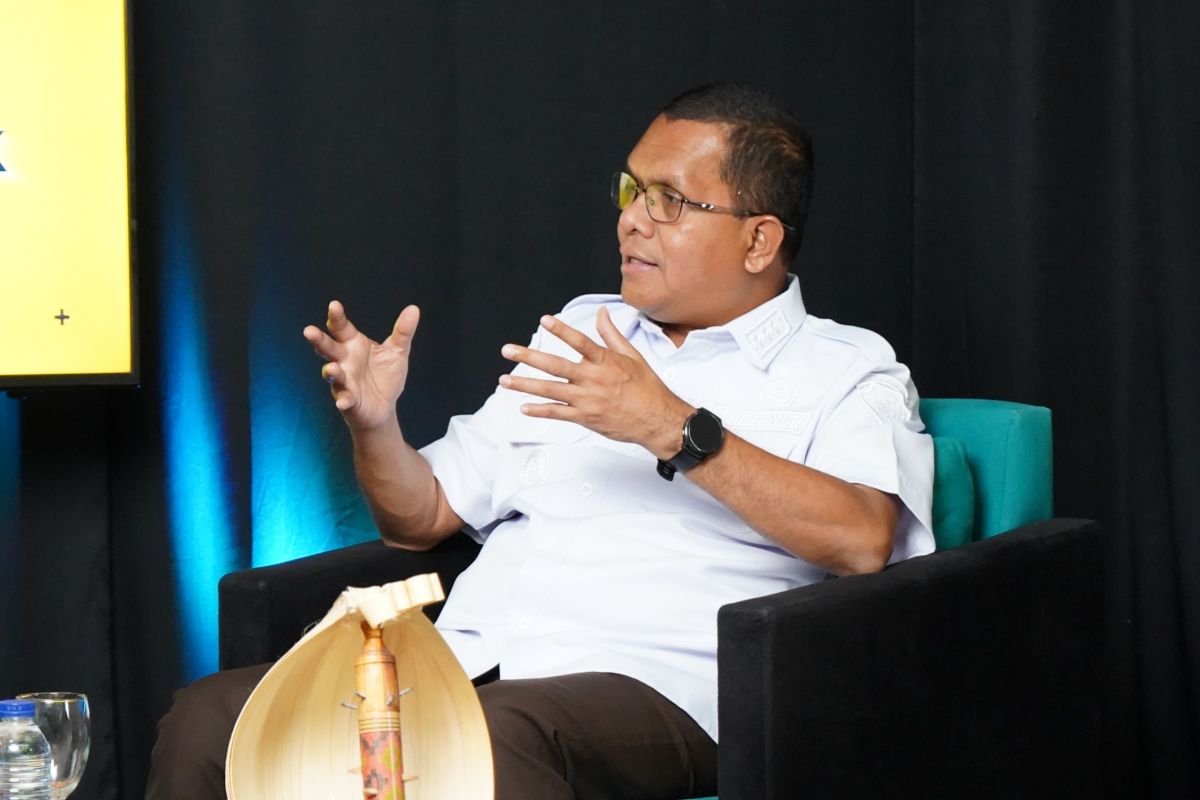
East Nusa Tenggara (NTT) Governor Melki Laka Lena has assessed that the establishment of an Indonesia-Timor Leste Free Trade Zone (FTZ) is a strategic momentum to transform the border area into a new centre of economic growth, boosting trade, investment and community welfare for both nations. “This economically promising cross-border area between NTT and Timor Leste must be optimised and executed properly to become a zone that truly delivers economic benefits for both Timor Leste and NTT,” said Melki Laka Lena in Kupang on Wednesday. According to him, NTT’s geographical position, which directly borders Timor Leste, is a strategic advantage that must be leveraged to strengthen trade, investment and industrial activities in the region.
The NTT Provincial Government is targeting the completion of all technical preparations for the FTZ this year or by next year at the latest, pending regulations from the central government. He explained that establishing a free trade zone requires legal and administrative stages that cannot be completed instantly. Therefore, the local government is currently focusing on drafting a pre-feasibility study, collecting baseline data, determining zone boundaries, developing an economic model, identifying infrastructure needs, and consolidating efforts with district governments in border areas, universities, business actors, and the central government. “We do not want to rush without a strong foundation, but we also must not stop at mere discourse,” he stated.
Melki said communication with the Government of Timor Leste has been positive, with a favourable response to the FTZ proposal, which is expected to provide economic benefits for both countries. In addition, various concrete preparations are being carried out with district governments in the border region, including discussions on the location of the free trade zone to be developed. He added that the success of the FTZ is determined not only by infrastructure and regulatory readiness but also by the preparedness of the community as the main actors in economic activity. Therefore, the government continues to educate the public to adapt to the increased economic scale and inter-country trade standards. “We are also continuously encouraging the community to be educated because they will be both the subjects and the ones who enjoy and drive this FTZ. They must be truly prepared for various possibilities. We will raise our economic scale, improve our economic management, and elevate our standards to inter-country standards,” he said.
According to Melki, the FTZ aims not only to open the flow of goods between countries but also to change the border area, which has been viewed as a backwater, into Indonesia’s front porch and a new centre of economic growth. He assessed that NTT needs to break away from the old pattern of merely selling raw commodities. Various superior commodities such as cattle, cashew nuts, coffee, seaweed, woven fabrics, and other agricultural products must be processed within the region to add value, create jobs, and increase community income. Melki said NTT has strong prerequisites to develop a free trade zone because it directly borders Timor Leste, has State Border Crossing Posts (PLBN), diverse superior commodities, and a strategic position as Indonesia’s trade gateway to the Pacific region. However, he noted that all these advantages will only provide benefits if they can be developed into a production centre, processing industry, and economic activities that directly impact community welfare.