
NTT drafts power sector decarbonisation roadmap towards NZE 2050
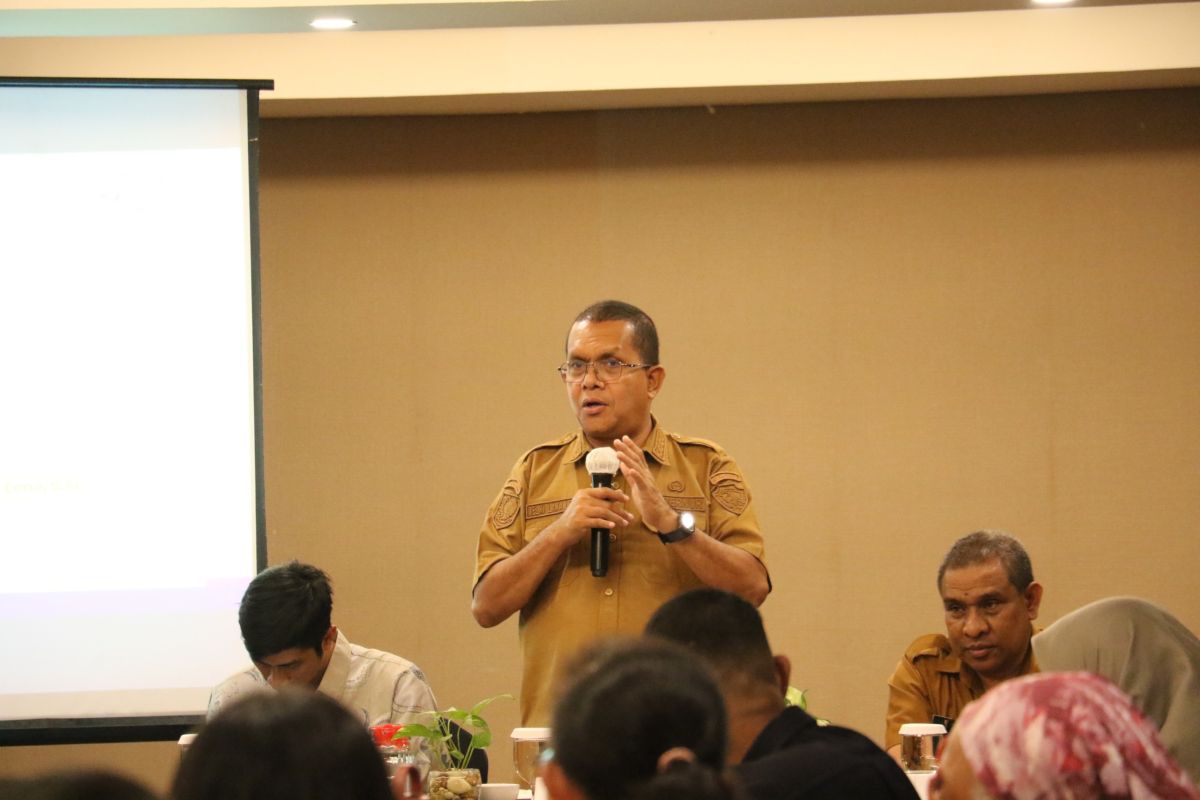
East Nusa Tenggara Governor Melki Laka Lena has emphasised that drafting a decarbonisation roadmap for the electricity sector is a strategic step towards achieving the Net Zero Emission (NZE) 2050 target amidst rising energy demand and the impacts of climate change. “Climate change has become a global challenge whose impacts are increasingly felt, including throughout NTT. Therefore, future development must consider environmental sustainability aspects,” he said in Kupang on Thursday. He made the statement while attending the Kickoff Meeting for the Study on the Decarbonisation Roadmap for the Nusa Tenggara Timur Electricity Sector Towards Net Zero Emission 2050, organised by the Institute for Essential Service Reform (IESR). According to Melki, climate change impacts are increasingly evident across NTT, ranging from longer dry seasons to growing threats to agriculture, fisheries, food security, and the risk of hydrometeorological disasters. On the other hand, he noted that energy demand in NTT continues to rise in line with economic growth, the development of industrial zones, tourism expansion, natural resource downstreaming, and improvements in the quality of life. He stated that the local government faces the challenge of ensuring this increased energy demand is met through a reliable yet low-carbon electricity system. “Our challenge is to ensure that this increased energy demand can be met through a reliable and low-carbon electricity system,” he said. Melki added that the NTT Provincial Government has established a vision of NTT Net Zero Emission 2050 as a commitment to realising low-carbon and climate-resilient development. He assessed that the decarbonisation roadmap must provide a comprehensive picture of the current electricity conditions, projected electricity demand, new and renewable energy potential, various energy transition scenarios, and implementation strategies suited to NTT’s geographical, social, and economic characteristics. Furthermore, NTT possesses significant potential for developing clean energy sourced from solar, water, wind, and geothermal power. Melki cited Sumba Island as a pioneer, known as Sumba Iconic Island, which utilises solar power, micro-hydro, biomass, and wind energy as proof that archipelagic regions can become energy transition laboratories in Indonesia. He said this potential is a strategic asset for building a cleaner, more reliable, and sustainable electricity system. He added that utilising local energy resources will not only increase the renewable energy mix and expand electricity access to small islands but also open up green investment opportunities, create jobs, increase regional economic value, and strengthen energy security. “Our hope is that this roadmap will not only serve as a reference for electricity sector policy formulation but also become a foundation for attracting clean energy investment, accelerating the use of renewable energy, improving quality electricity access, and strengthening regional economic competitiveness towards green, resilient, and sustainable development,” Melki said.