
NTT Corrections Office Records Overstaying Rate Below 10% Through Integration Rights Optimisation
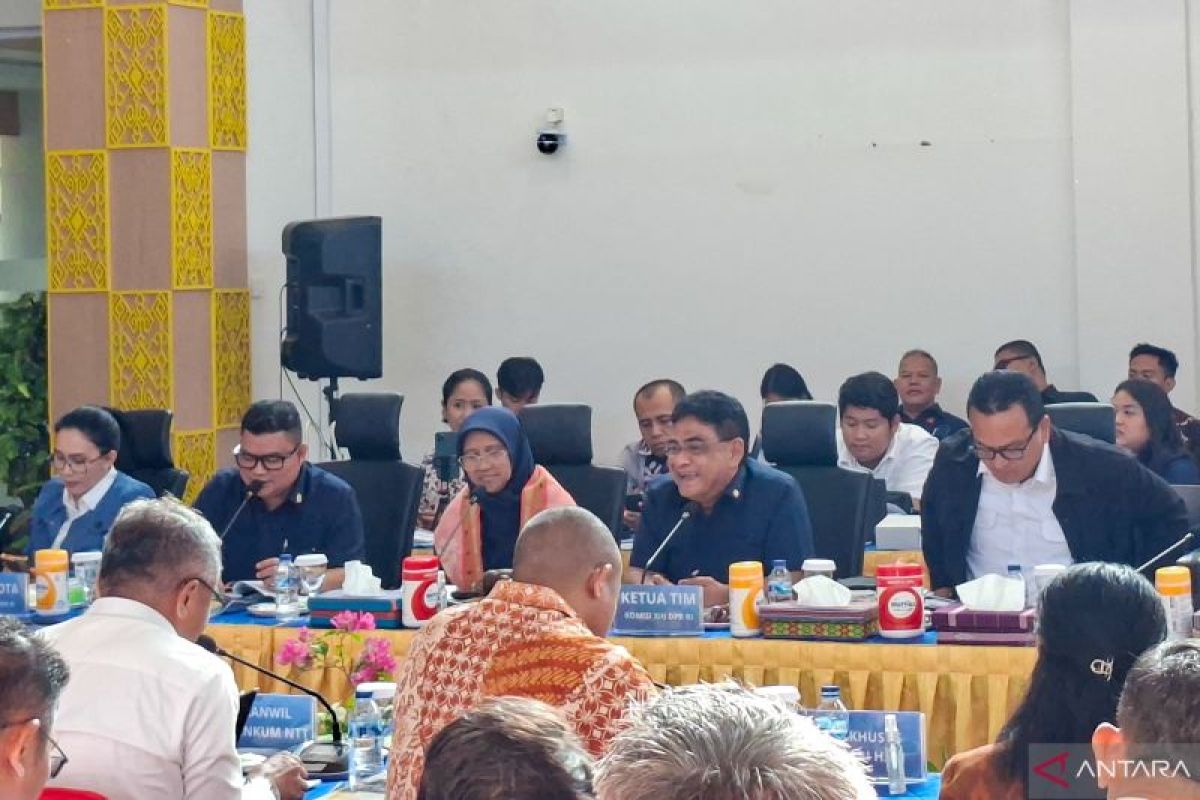
Kupang, NTT (ANTARA) - The Regional Office of the Directorate General of Corrections (Ditjenpas) for East Nusa Tenggara (NTT) has recorded an overstaying rate in prisons and detention centres across the region of below 10 per cent. This achievement was realised through the optimisation of integration rights for inmates.
Head of the NTT Regional Office of Ditjenpas, Decky Nurmansyah, stated in Kupang on Wednesday that the result was due to strengthened coordination and the optimal implementation of inmates’ rights in accordance with applicable regulations.
According to Decky, the implementation of integration rights, such as parole, conditional leave, and pure release, is continuously pursued in a timely manner to minimise the potential for overstaying in prisons and detention centres.
During a recess working visit, Commission XIII of the Indonesian House of Representatives (DPR RI) also encouraged the NTT Ditjenpas Regional Office to optimise the implementation of directives from the Minister of Immigration and Corrections and the Deputy Minister regarding adjustments to the Criminal Procedure Code (KUHAP).
Decky stated that the input from Commission XIII serves as motivation for his team to continue improving the quality of correctional services and fulfilling the rights of inmates.
He also presented the conditions of prisons and detention centres in NTT, highlighting various challenges in implementing correctional duties, as well as service innovations through the Aksara Nusa application.
Deputy Chairman of Commission XIII DPR RI, Andreas Hugo Pareira, stated that the recess working visit was part of the commission’s supervisory function, as well as an effort to absorb aspirations from ministries, institutions, and the community in the region.
According to Andreas, the characteristics of the NTT region require policy support, institutional strengthening, human resource development, and the fulfilment of facilities and infrastructure to ensure that the implementation of correctional services becomes increasingly optimal.