
NTB's 'Desa Berdaya' Programme Dominated by Livestock Ventures
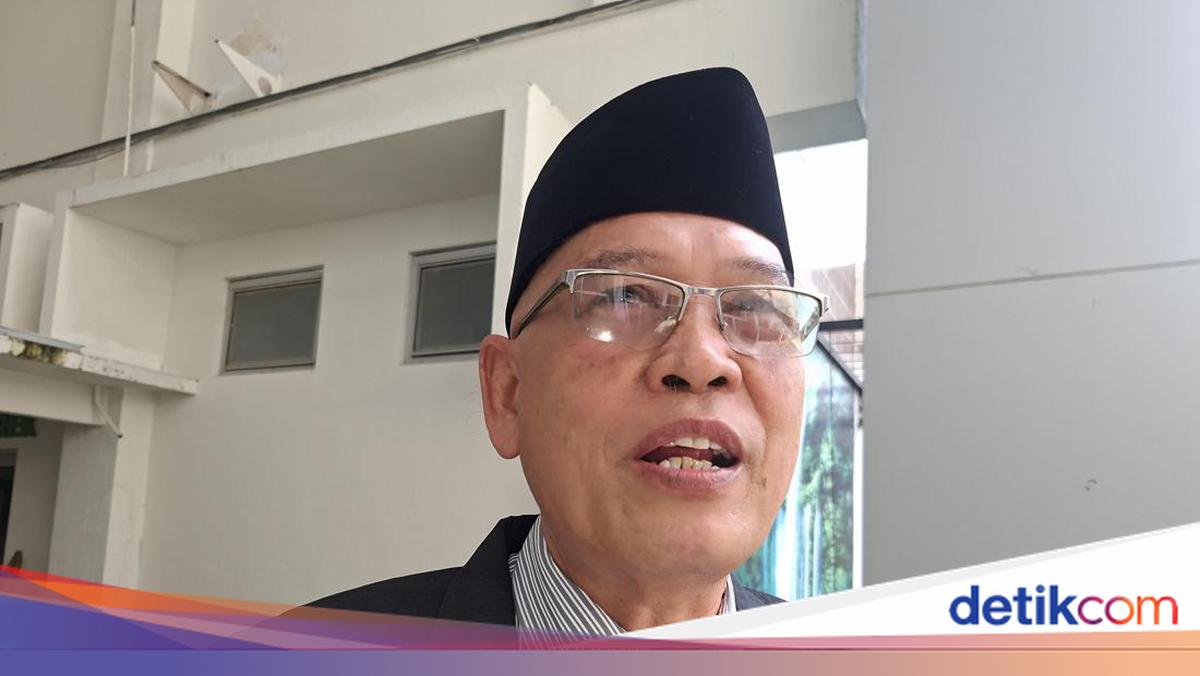
The West Nusa Tenggara Provincial Government (Pemprov NTB) has commenced disbursing stimulus funds for the 2026 fiscal year ‘Desa Berdaya’ programme, totalling Rp 128 billion. The livestock sector has emerged as the most popular choice among villages in NTB.
Head of the NTB Community and Village Empowerment Agency (DPMD), Lalu Hamdi, revealed that 257 villages submitted proposals to the provincial government in the first phase. Of these, 70 percent applied for stimulus assistance in the agriculture and livestock sectors.
“The Desa Berdaya programme actually encompasses three themes: food security, tourism, and the environment. The results show that around 60 to 70 percent of villages predominantly chose the livestock theme, such as chicken, duck, and cattle farming,” Hamdi stated on Tuesday (23/6/2026).
According to Hamdi, these choices were purely based on the outcomes of village-level consultations tailored to local potential, rather than unilateral appointments. The management of enterprises proposed by village heads is flexible and can be carried out through self-management, in cooperation with community groups, cooperatives, or village-owned enterprises (Bumdes).
Through this thematic programme, Hamdi said, the NTB Provincial Government hopes the village economic wheel will continue to turn sustainably beyond 2026. The long-term target is to create specific identities and clusters based on regional advantages.
“In the long term, we hope to see the emergence of Poultry Villages, Chilli Villages, Horticulture Villages, and Cattle Fattening Villages. Thus, the identity and potential of each village will become visible,” Hamdi added.
Regarding disbursement progress, 140 villages have already adopted a single theme and received recommendations from the relevant technical agencies. These villages are being directed to complete the disbursement proposal documents for the NTB Regional Financial and Asset Management Agency (BPKAD).
Meanwhile, for the more than 90 villages that chose a combination theme (such as a mix of livestock and agriculture), the agency is still synchronising and consolidating the recommendation data.
“Disbursements will begin this month and next month. Some are being verified, some we have asked to complete their documentation, and others have already been submitted to BPKAD for the disbursement process,” Hamdi asserted.
In addition to the Thematic Desa Berdaya programme, the NTB Provincial Government is also rolling out the Transformative Desa Berdaya programme. This initiative targets pockets of villages with extreme poverty levels in NTB, totalling 106 villages. However, Hamdi noted that for 2026, intervention efforts are focused on 40 pilot villages.
Hamdi explained that the validation process for beneficiary data is conducted very rigorously to avoid misdirected assistance.
“Initially, there were 7,250 extremely poor heads of families (KK) recorded in those 40 villages. After the team conducted field verification, the number dropped to 6,711 KK because some had moved away or passed away,” he clarified.
From the figure of 6,711 KK, the DPMD NTB conducted further screening and excluded 374 KK categorised as non-productive elderly and living alone. This group will be redirected to be fully covered through the Social Assistance (Bansos) scheme.
The final result identified 6,337 KK deemed productive and eligible to receive business capital intervention. Each KK will receive capital assistance of Rp 7 million, disbursed in a single payment.
“The Rp 7 million assistance per KK is to be used as business capital. There are three conditions: the business must align with the village’s potential, there must be interest from the concerned resident, and the market must be sustainable,” Hamdi detailed.
Unlike the thematic programme, Hamdi stated that beneficiaries of this transformative programme will be closely supervised by dedicated assistants for a full two years, from the initial start-up phase until the community is truly independent and productive.
Hamdi stressed that the NTB Provincial Government is committed to maintaining budget transparency to prevent fictitious programmes in the field. A joint team from the DPMD and related technical agencies has now begun field monitoring for initial assessments.
“We ensure and emphasise that this money must be used according to the proposal and the Budget Plan (RAB) approved by the technical agency. For this initial stage, we are monitoring the readiness of the framework. Later, in the advanced supervision stage, the Prosecutor’s Office will also be involved,” Hamdi concluded.