
NTB's 'Desa Berdaya' Programme Disburses Rp 3.3 Billion, but Waste Management Proposals Remain Minimal
The disbursement of empowerment programme funds for the ‘Desa Berdaya’ programme, worth Rp 128 billion, in West Nusa Tenggara (NTB) Province is progressing in stages. As of the end of last month, total funds transferred to village accounts had reached Rp 3.3 billion.
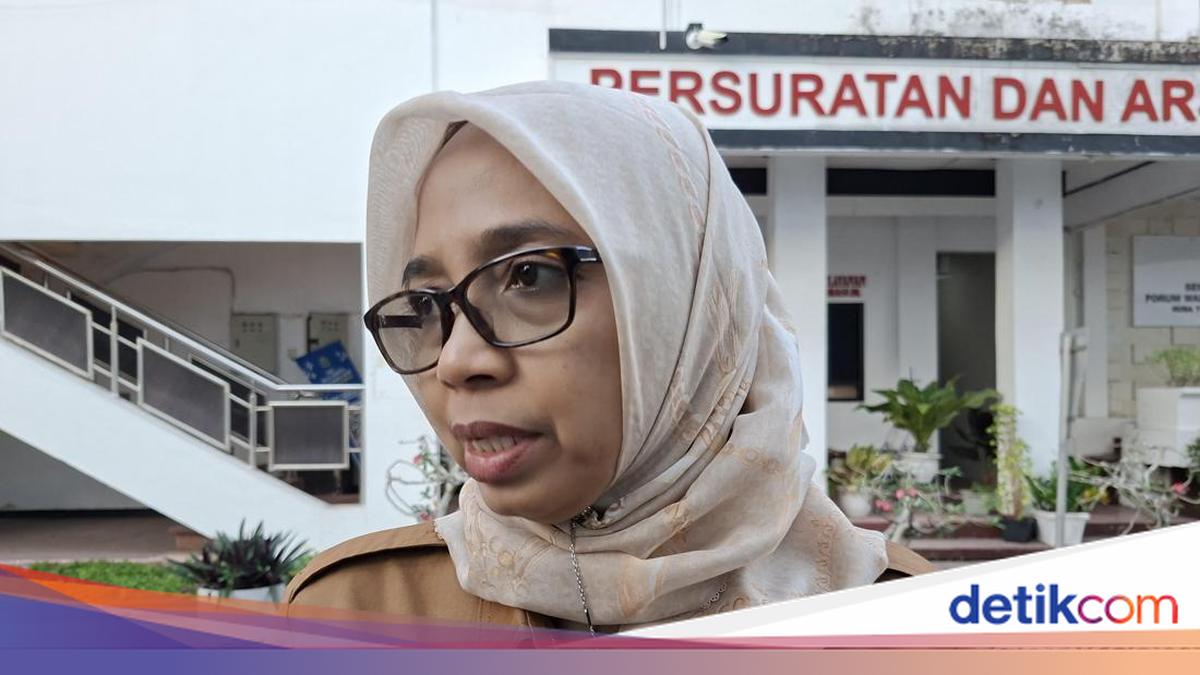
The Head of the NTB Regional Development Planning Agency (Bappeda), Baiq Nelly Yuniarti, stated that the proposal submission process from the 257 targeted villages has been completed. However, the disbursement process is fully managed by the NTB Regional Financial and Asset Management Agency (BKAD).
“In terms of proposals, the matter is handled by the Village and Community Empowerment Agency (Dinas Desa) and us. This programme is already underway. However, for detailed data on how many villages have received disbursements overall, the data is dynamic and held by the Village Agency,” Nelly said at the NTB Governor’s office on Monday afternoon (6/7/2026).
Nelly added that, based on reports as of the end of June 2026, the value of disbursements had reached Rp 3.3 billion. She noted that the majority of proposals submitted by village governments focus on the economic empowerment of productive community groups. The livestock sector, particularly chicken farming, as well as agriculture and tourism, dominate the programme.
Interestingly, programmes addressing environmental management issues, such as village waste management, are still very minimal. Nelly suggested that this difference in priorities stems from the policies and outcomes of deliberations within each village. “Perhaps because the focus is on ‘Desa Berdaya’ (Empowered Villages), waste management issues have not yet become a priority for village heads. Typically, waste management is more of a concern in urban areas,” she explained.
The Head of Bappeda NTB stressed that village governments that have received the funds should immediately implement their work programmes. The NTB government holds high hopes that the funds will have a real economic impact on village residents. “We just hope that villages will immediately implement this budget in accordance with the proposals they submitted themselves. And most importantly, maintain accountability,” Nelly asserted.
Previously, the Head of the NTB Village and Community Empowerment Agency (DPMD), Lalu Hamdi, revealed that in this first phase, 257 villages were targeted and have submitted official proposals. Of these, 70 percent applied for stimulus assistance in the agriculture and livestock sectors. “The ‘Desa Berdaya’ programme actually covers three areas: food security, tourism, and the environment. The result is that around 60 to 70 percent of villages predominantly chose livestock themes, such as chicken, duck, and cattle farming,” Lalu Hamdi stated in an interview on Tuesday (23/6/2026). According to him, these choices were purely based on deliberations at the village level tailored to local potential, not unilateral decisions. The management of the proposed businesses is flexible and can be carried out independently by the village, in cooperation with community groups, cooperatives, or Village-Owned Enterprises (Bumdes).