
NTB Strengthens Tambora Towards World Geopark Status
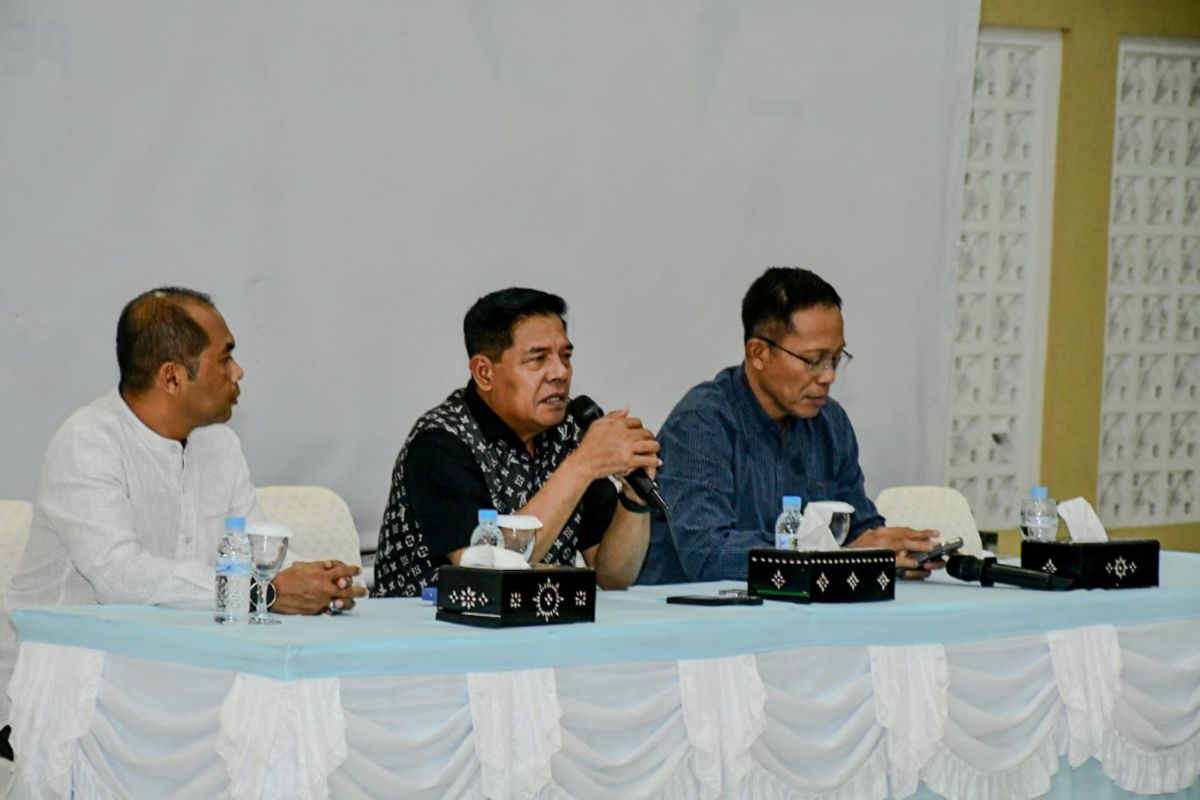
The Tambora Geopark area encompasses three major cultural regions, namely Bima, Dompu, and Sumbawa, which play a crucial role in strengthening community-based conservation and the preservation of local culture. Mataram (ANTARA) - The West Nusa Tenggara (NTB) provincial government continues to bolster efforts to establish Mount Tambora as a UNESCO Global Geopark (UGG) by placing environmental conservation as the primary foundation for the area’s development. NTB Governor Lalu Muhamad Iqbal stated that one key strengthening measure involves protecting the Saleh Bay area, which is considered the main buffer for the Tambora Geopark’s ecosystem and biodiversity. “We already have experience in managing a geopark as a centre for environmental conservation, geological preservation, and community empowerment,” Iqbal said in Mataram on Thursday. He mentioned that he had presented the Tambora Geopark proposal to the UNESCO panel via an online session on Wednesday (13/5). During the presentation, Miq Iqbal, the governor’s affectionate nickname, was accompanied by NTB Bappeda Secretary Baiq Yunita Puji Widiani, General Manager of the Tambora Geopark Management Agency Makdis Sari, and General Manager of Rinjani UNESCO Global Geopark Qwadru P. Wicaksono. In front of the UNESCO panellists, Miq Iqbal emphasised that NTB is not starting geopark management from scratch. Experience in managing the Rinjani UNESCO Global Geopark serves as important capital in strengthening Tambora’s governance to meet world geopark standards. According to him, Tambora is a “forgotten gem” or overlooked jewel that has not yet been fully recognised by the world, despite its vast geological, historical, cultural, and biodiversity riches. Unlike Rinjani, which is known as a world mountain tourism destination, Tambora holds traces of one of the largest volcanic eruptions in modern human history. The 1815 Mount Tambora eruption not only altered the landscape of Sumbawa Island but also influenced global climate and triggered the “Year Without Summer” phenomenon in Europe due to the spread of volcanic ash into the Earth’s atmosphere. “Tambora is not just about a volcano. It is an important part of world history,” Miq Iqbal asserted. He explained that the Tambora Geopark area covers three major cultural regions, namely Bima, Dompu, and Sumbawa, which are essential in strengthening community-based conservation and local cultural preservation. In addition to its historical and cultural value, the Tambora area is located east of the Wallace Line, known for its high biodiversity with many endemic flora and fauna species. Miq Iqbal revealed that at least 275 species have been successfully identified in the area, although the actual number is believed to be much larger, with some threatened by forest damage and illegal activities. “Therefore, conservation is extremely important in the development of this area,” he clarified. This commitment is reinforced through policies for conserving Saleh Bay, which serves as a habitat for whale sharks and an important marine ecosystem area on Sumbawa Island. According to him, protecting Saleh Bay is a crucial part of ensuring that geopark development proceeds in balance with efforts to maintain environmental sustainability and ecosystem preservation. “Conservation is not a supplement to development, but the main foundation of the area’s development,” he stressed. Meanwhile, Makdis Sari, General Manager of the Tambora Geopark Management Agency, affirmed that Tambora has a very strong universal value as a world geological heritage. “Tambora is not merely a volcano. It is a living archive of geological events that changed human history,” she said. According to Makdis, traces of the 1815 Tambora eruption can still be traced today through various scientific, geological, and cultural evidence, making the area of significant importance to global science. The Tambora nomination as a UNESCO Global Geopark is part of the NTB provincial government’s strategic steps to strengthen the region’s position as a centre for conservation, world geopark, and sustainable development based on the environment in eastern Indonesia.