
NTB Requests 135 Free Nutritious Meal Kitchens for 3T Regions, Distribution to Use Trail Bikes and Speedboats
The provincial government of West Nusa Tenggara (NTB) has proposed 135 nutrition service units (SPPG), or kitchens, for the Free Nutritious Meal (MBG) programme in disadvantaged, frontier and outermost (3T) areas. The provincial government is preparing trail motorbikes and even speedboats for distribution.
The proposal was submitted to ensure that President Prabowo Subianto’s flagship programme reaches communities in remote areas. The programme’s target beneficiaries include school pupils, pregnant women, breastfeeding mothers and toddlers.
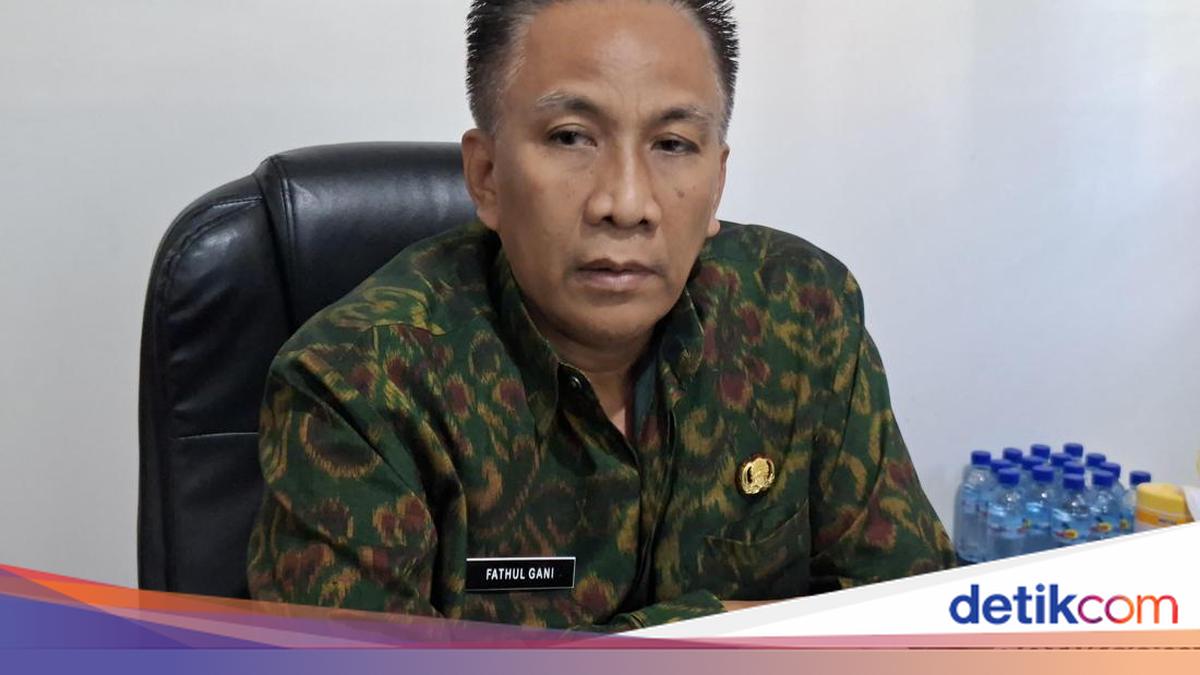
Fathul Gani, head of the NTB MBG Programme Task Force, said the 135 proposed kitchens are spread across the whole of NTB, with 75 located on Sumbawa Island and 60 on Lombok Island.
“The proposal is for more than 100 kitchens, on Sumbawa Island and Lombok Island. We will verify the exact figures again, but the number is indeed over 100 locations,” Fathul said on Friday (17/7/2026).
According to Fathul, the majority of the proposed locations are in areas with challenging geographical conditions. For this reason, the distribution mechanism for free nutritious meals needs to be adapted to the conditions of each area.
Ideally, one MBG kitchen is designed to serve around 1,000 to 3,000 beneficiaries. However, this rule will be made more flexible specifically for 3T areas.
“If there are only 300 or 400 beneficiaries, they will still be served. Everything is adjusted according to the number of targets and the conditions of the area,” said Fathul, who also serves as Assistant I of the NTB Regional Secretariat.
Fathul did not deny that the operational costs of kitchens in remote areas will balloon compared to urban areas. Therefore, a suitable financing and distribution scheme is currently being devised to match the characteristics of each area.
Geographical conditions that are difficult to reach by four-wheeled vehicles also pose a particular challenge. The government has prepared several alternatives for distributing the meals, by land and by sea.
“It will depend on the conditions of each area. We can use modified two-wheeled vehicles (trail motorbikes). For island areas, the kitchen can be located on the mainland coast, with the food then delivered by speedboat or boat,” he explained.
Meanwhile, the National Nutrition Agency (BGN) is currently re-collecting data on the programme’s targets and number of beneficiaries. This step is crucial so that assistance can be accurately targeted by name and by address.
According to Fathul, this data verification process is a moment to comb through communities in remote areas who have so far gone unrecorded so they can be included in the programme.
The NTB provincial government is still awaiting the latest technical guidelines from BGN regarding the expansion of beneficiary targets.
“Our hope is that the priority will be remote areas, people in the lowest income decile, and the 3B group, namely pregnant women, breastfeeding mothers and toddlers,” Fathul concluded.