
NTB Quarantine Agency Tightens Livestock Monitoring through PCR Testing
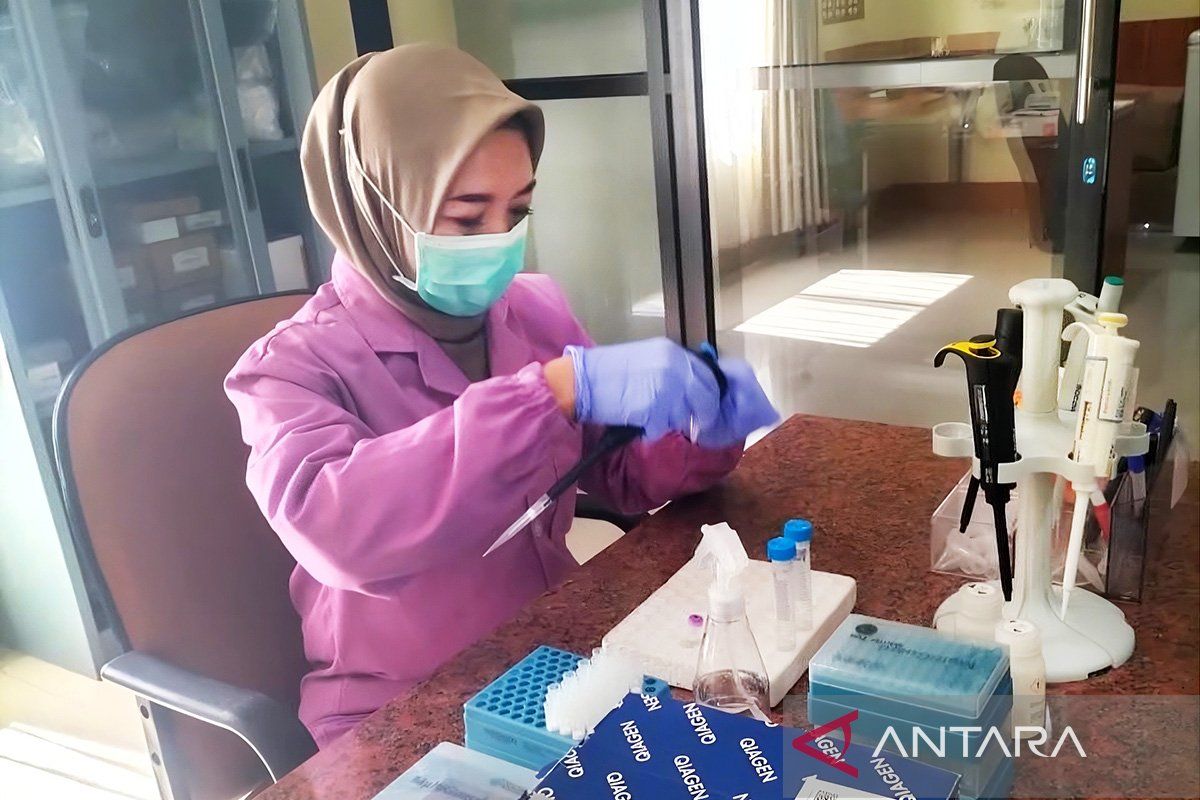
Mataram (ANTARA) - The West Nusa Tenggara (NTB) Quarantine Agency is tightening oversight of livestock traffic by operating Polymerase Chain Reaction (PCR) testing at Badas Port, Sumbawa Regency.
Head of the NTB Quarantine Agency, Ina Soelistyani, stated that this step is taken to detect foot-and-mouth disease early and ensure that all livestock sent outside the area are in healthy condition.
“PCR testing is to protect the community’s economic assets (livestock),” she said in Mataram on Wednesday.
Based on data from the Best Trust application owned by the Indonesian Quarantine Agency, livestock traffic from Sumbawa Regency up to 24 April 2026 has recorded 6,362 cattle with 296 shipments to various regions.
The large distribution volume has prompted the NTB Quarantine Agency to tighten monitoring at the main livestock exit points, such as Badas Port.
Ina explained that foot-and-mouth disease (FMD) is highly detrimental to small-scale farmers as it can cause the death of ruminant livestock, which is their primary investment.
“We hope that the PCR equipment in Sumbawa will make inspections more intensive, thereby able to break the chain of FMD transmission,” she said.
Through PCR testing, laboratory officers at the Badas Port Service Unit can identify the virus causing FMD with high accuracy, even before clinical symptoms appear.
The use of PCR technology ensures traceability of animal health because the origin and disease-free status are accurately recorded through valid laboratory test results.
The PCR test results serve as the basis for the NTB Quarantine Agency to issue Test Result Reports. This document is proof that the livestock has undergone strict quarantine procedures and is safe for transport outside the area.
Local quarantine officer Priono stated that physical examinations alone are insufficient to guarantee livestock safety from the virus.
“PCR helps us detect sick animals even if symptoms are not yet visible to the naked eye, so prevention of transmission can be carried out much earlier,” Priono concluded.