
NTB Provincial Government: Conservation as Strength for Proposing Mount Tambora to UNESCO
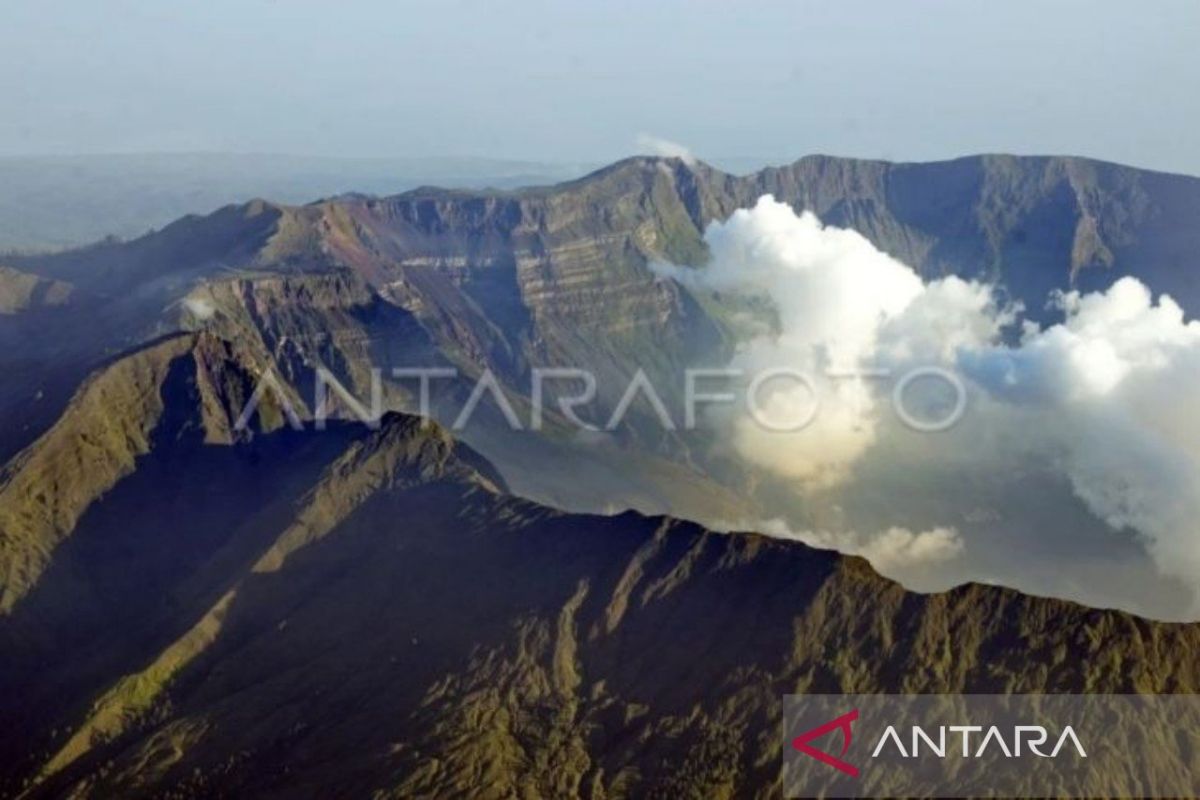
The Provincial Government of West Nusa Tenggara (NTB) does not start geopark management from scratch. Experience in managing the Rinjani Geopark serves as important capital in strengthening Tambora’s governance towards world geopark standards.
Mataram (ANTARA) - The Provincial Government (Pemprov) of West Nusa Tenggara (NTB) places environmental conservation as the main foundation in submitting the Mount Tambora area to the UNESCO Global Geoparks (UGGp) list.
NTB Governor Lalu Muhamad Iqbal stated that one important strengthening measure is carried out through the Saleh Bay area as the main buffer for the Mount Tambora ecosystem and biodiversity.
“NTB does not start geopark management from zero. Experience in managing the Rinjani Geopark becomes important capital in strengthening Tambora’s governance towards world geopark standards,” he said in a statement in Mataram on Thursday.
On 13 May 2026, Iqbal explained to UNESCO panellists online about the NTB Provincial Government’s efforts in protecting Saleh Bay, which is a habitat for whale sharks, as well as an important marine ecosystem area on Sumbawa Island.
The NTB Provincial Government records around 275 species of flora and fauna that have been identified in the Mount Tambora area. That number can still increase because some areas have not been fully documented.
Forest damage and illegal activities threaten the existence of species around Mount Tambora, so conservation becomes very important in the development of that area.
“Tambora is a forgotten gem that has not yet been fully known to the world. In fact, Tambora has vast geological, historical, cultural, and biodiversity wealth,” said Iqbal.
General Manager (GM) of the Tambora Geopark Management Agency, Makdis Sari, emphasised that Tambora has very strong universal value as a world geological heritage.
“Tambora is not just a volcano. It is a living archive of geological events that changed human history,” she said.
Makdis conveyed that traces of the 1815 Tambora eruption can still be traced today through various scientific, geological, and cultural evidence, making the area have important value for world science.
The submission of Tambora as a UNESCO Global Geopark is part of the NTB Provincial Government’s strategic steps in strengthening the region’s position as a centre for conservation, world geopark, and sustainable development based on the environment in central Indonesia.