
NTB Museum Traces Legacy of Pesujudan Cloth as Islamic Cultural Heritage
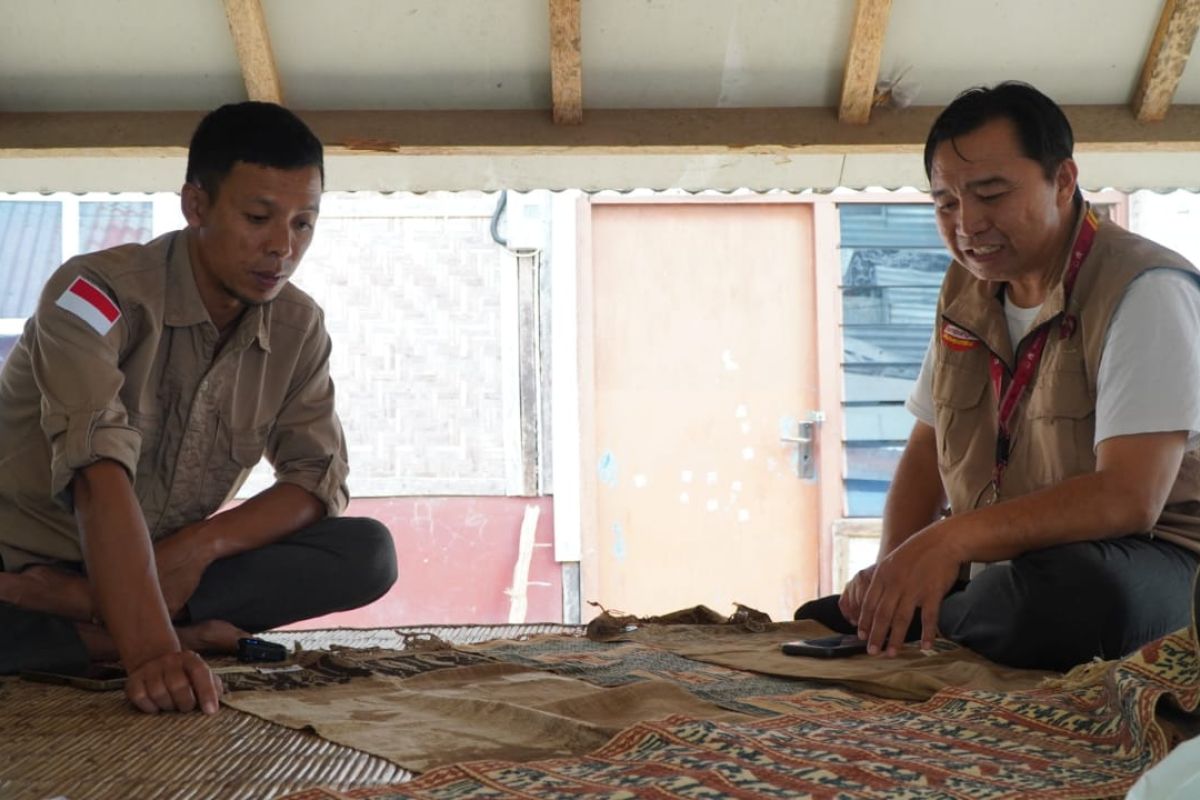
Mataram - The NTB State Museum is tracing the history of Pesujudan cloth to uncover its historical and cultural role within Lombok’s Muslim community.
“This research was conducted to strengthen the information stored in the museum’s collection,” said Aulia Rahman Adiputra, Head of Collection Research and Preservation at the NTB Museum, in a statement on Monday in Mataram.
Aulia added that the study aims to supplement the collection’s limited data and uncover possible historical and cultural knowledge not yet fully revealed.
The research began after a collector from South Australia, Michael Abbot, donated a piece of Pesujudan cloth to the NTB Museum in November 2025.
The museum team found three regions still remembering the Pesujudan cloth: Pujut in Central Lombok, Bayan in North Lombok Regency, and Sembalun in East Lombok.
According to Aulia, the locations for the study were determined based on the collection data of where the Pesujudan cloth was sourced.
“We determine locations based on the collection’s source data. We visit the areas listed in the collection data as the origin of the item,” he said.
The NTB Museum team discovered that Pesujudan cloth is more than just ordinary woven fabric.
Bunyamin, Head of the NTB Museum Research Team, explained that in Bayan and Sembalun subdistricts, the Pesujudan cloth is known as Musela or Musla and is used by kyais and penghulus during prayers and customary rituals.
Locals use it during marriage ceremonies for men by borrowing from penghulus and as a wrapper for khutbah books when kyais deliver sermons.
Based on historical research, Bunyamin believes the Pesujudan cloth was brought by Islamic missionaries from Java to Lombok.
The local community believes weaving the cloth requires customary conditions and selecting auspicious days according to the Sasak ethnic group’s traditional warige calendar.
The NTB Museum records that Pesujudan was last used in Sembalun, East Lombok Regency, around the 1980s, with traditional weaving last performed in Bayan, North Lombok Regency, in 2010.