
NTB Economy Grows 7.41 Percent, Mining Becomes Main Driver
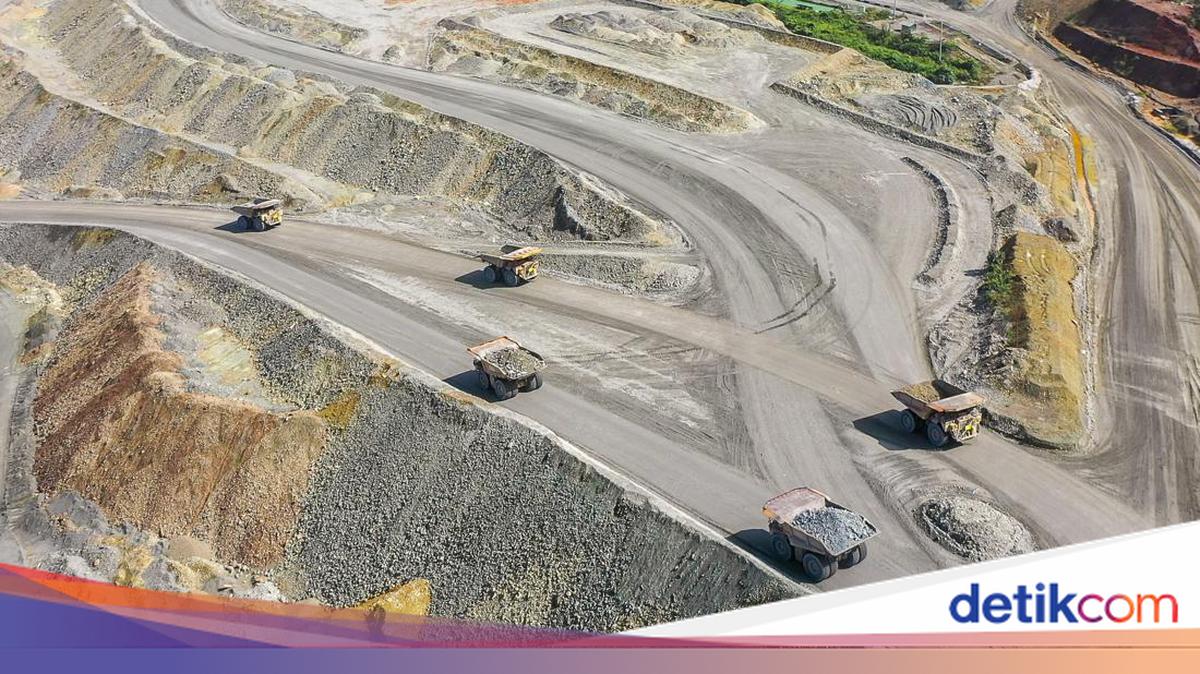
The economy of West Nusa Tenggara (NTB) grew by 7.41 percent in the second quarter of 2026. Statistics Indonesia (BPS) NTB recorded that this growth was mainly driven by the soaring performance of the mining sector, followed by the processing industry and water supply.
“Agriculture, mining, and trade are the three sectors with the largest share of the NTB Province’s economy. There are three business fields with the highest growth, namely mining, processing industry, and water supply,” said Head of BPS NTB Wahyudin following a press release at his office on Wednesday (5/8/2026).
According to Wahyudin, the mining and quarrying business field became the main driver of NTB’s economic growth, with growth reaching 30.57 percent (year-on-year). “The performance of this business field was supported by an increase in copper concentrate production in line with the relaxation of copper concentrate exports until April 2026,” he said.
“Meanwhile, the processing industry business field also recorded high growth, amounting to 7.45 percent. This growth was driven by increased smelter activity, as well as increased production of the food and beverage industry to meet demand for the MBG programme,” Wahyudin continued.
The mining and quarrying business field recorded the highest growth in the second quarter of 2026, at 30.57 percent. The next positions were occupied by the processing industry at 7.45 percent and water supply at 6.52 percent. Furthermore, financial services grew by 5.69 percent, accommodation and food and beverage by 4.86 percent, government administration by 4.68 percent, trade by 4.33 percent, and education services by 4.22 percent.
Other services grew by 3.49 percent, electricity and gas supply by 3.39 percent, construction by 3.14 percent, information and communication by 2.93 percent, corporate services by 2.88 percent, transportation and warehousing by 2.83 percent, agriculture by 2.54 percent, real estate by 2.49 percent, and health services by 2.38 percent.
“From the expenditure side, economic growth in the second quarter of 2026 was mainly driven by the export of goods and services component, which grew significantly by 49.42 percent (year-on-year),” he stated. Based on GDP by expenditure, exports of goods and services were the component with the highest growth, at 49.42 percent. This was followed by imports of goods and services at 26.82 percent, government consumption at 8.21 percent, household consumption at 3.72 percent, non-profit institution consumption at 2.32 percent, and gross fixed capital formation (PMTB) at 1.51 percent.
“This growth was caused by an increase in the export value of mining commodities and processed industrial products, supported by the optimisation of smelter activity, as well as the copper concentrate export relaxation policy from November 2025 to April 2026,” he concluded.