
Nourishing Health, Protecting the Environment: KLH/BPLH Oversees SPPG Wastewater Management
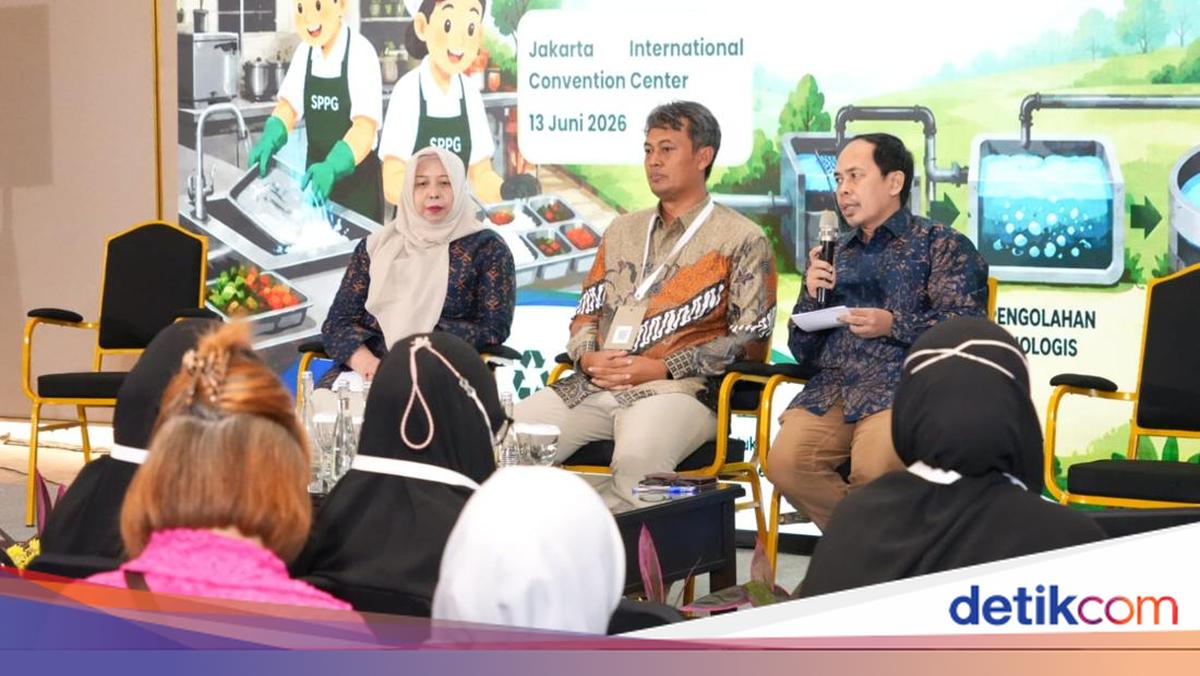
The Ministry of Environment/Environmental Control Agency (KLH/BPLH) is strengthening wastewater management at Nutritional Service Fulfilment Units (SPPG). This aims to ensure the Free Nutritious Meals programme aligns with environmental protection efforts. The initiative is also in line with National Nutrition Agency Regulation Number 1 of 2026 concerning Guidelines for the Management of Food Waste, Rubbish, and Domestic Wastewater at SPPGs. This rule requires every SPPG to manage leftover food, rubbish, and wastewater generated during operations. The regulation also emphasises that meeting the community’s nutritional needs must go hand in hand with implementing good sanitation and responsible environmental management. Director of Water Quality Protection and Management at KLH/BPLH, Tulus Laksono, stressed that the success of the Free Nutritious Meals (MBG) Programme is determined not only by the quality of the food served, but also by how its environmental impact is managed. “The Free Nutritious Meals Programme must provide complete benefits to the community. Therefore, every SPPG must ensure that the wastewater produced is managed according to standards so as not to cause pollution and to continue supporting a healthy environment for the nation’s future generations,” Tulus said in a written statement on Monday (15/6/2026). He emphasised that every SPPG must meet environmental requirements, including ensuring that wastewater is treated to meet quality standards before being discharged into the environment. To support this, the government has also issued Decree of the Minister of Environment/Head of BPLH Number 2760 of 2026 concerning Quality Standards and Technology Standards for Domestic Wastewater Treatment at SPPGs. As the number of SPPGs increases across various regions, the need for adequate wastewater management systems becomes increasingly important. Food processing activities, washing of food ingredients and kitchen equipment, and sanitation activities produce liquid waste that can potentially pollute the environment if not managed properly. Wastewater treatment practitioner from IPAL Treatment Indonesia, Habibi, explained that liquid waste from kitchen and sanitation activities generally contains organic materials, suspended solids, ammonia, detergents, as well as oil and grease that require treatment before being discharged into the environment. Based on the Basic Engineering Design (BED) for a treatment capacity of 10 cubic metres per day, wastewater from kitchen and sanitation activities can have a fairly high pollutant content. Therefore, the existence of a Wastewater Treatment Plant (IPAL) is an essential requirement to ensure the quality of discharged wastewater meets the standards set by the government. “Good wastewater management can prevent river pollution, maintain the quality of water resources, and create a healthier and more comfortable environment for the community,” said Habibi. Besides protecting the environment, good wastewater management also supports the sustainability of the Free Nutritious Meals Programme by increasing public trust in its implementation. A clean and healthy environment will strengthen the programme’s benefits in creating a healthy, intelligent, and productive generation. Through strengthening regulations, technical assistance, supervision, and the application of standard-compliant treatment technology, KLH/BPLH ensures that the Free Nutritious Meals Programme not only contributes to improving the nutritional quality of the community but is also aligned with environmental protection efforts. Thus, the programme’s benefits can be felt sustainably without sacrificing the quality of rivers, water sources, and the environment for future generations. KLH/BPLH also invites all SPPG managers, local governments, wastewater treatment technology providers, and the community to ensure that every nutritional service facility implements wastewater management in accordance with applicable regulations. By managing wastewater correctly from the source, Indonesia is not only building a healthy generation through the Free Nutritious Meals Programme but also safeguarding environmental quality and water resources for the future.