
Nothing Goes to Waste from Indonesia's Plate of Tilapia
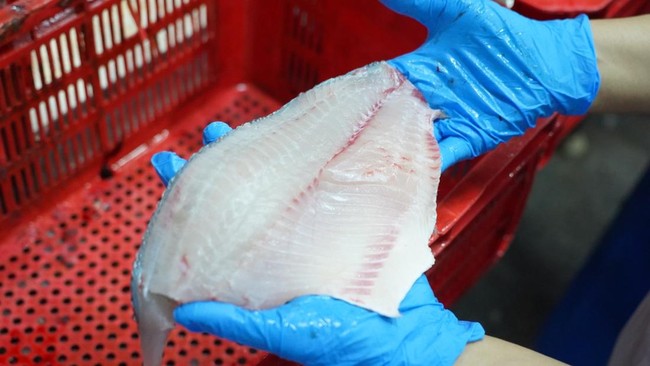
Regal Springs Indonesia, one of the nation’s leading tilapia producers, has achieved a significant milestone in the international market by successfully supplying the prominent UK pub network, Greene King. Operating one of the largest pub ecosystems in the UK, Greene King manages between 2,700 and 3,100 locations across England, Wales, and Scotland. Regal Springs Indonesia has earned the trust of this network by providing premium boneless tilapia fillets as a high-quality alternative for the legendary British fish and chips.
This development is a celebratory moment for local fisheries. Tilapia, once regarded merely as a common household side dish in Indonesia, is transforming into a premium commodity penetrating the world’s most selective markets. This is the opportune moment to reframe our perception of tilapia, moving away from seeing it as a cheap, easily farmed fish towards viewing it as a high-value, complete commodity that leaves almost no waste behind.
The global demand for tilapia continues to rise. In 2024, the total value of global tilapia imports reached USD 1.71 billion—a 29.6% increase from the previous year—with a volume of 0.54 million tonnes and an annual growth trend of 9% during the 2020-2024 period. The United States leads as the largest importer with a market share of 46.8% (USD 802.23 million), followed by Mexico (14.7%) and the European Union (7.5%).
Amidst this surging demand, Indonesia stands as the world’s third-largest exporter of tilapia, with a value of USD 93.51 million in 2024—a 14.4% year-on-year growth. Indonesia trails only behind China (USD 366 million) and Colombia (USD 95 million). Nearly all Indonesian exports (98.7%) consist of frozen fillets, with 99.5% originating from North Sumatra, specifically from the aquaculture of Lake Toba. Notably, the market is increasingly focused on quality and sustainability, a gap that Indonesia is filling effectively.
Often dubbed ‘aquatic chicken’, tilapia boasts a protein content of 20-29 grams per 100g serving, comparable to chicken breast, while being low in saturated fat and rich in Omega-3, 6, 9, Vitamin B12, and essential minerals. In a global consumer landscape increasingly oriented towards wellness, this nutritional profile is a significant selling point. Furthermore, tilapia is a near-perfect zero-waste commodity. Every part of the fish holds economic value: fillets and loins (30% of weight) serve premium retail and restaurants; heads (23%) are a local culinary favourite; fish frames (15%) are processed into oil and fishmeal; trimming meat (13%) is further processed; intestines (7%) become fish feed; belly meat (6%) is used for Belly Kabayaki in Taiwan; skin (4%) is a raw material for gelatin; and scales (2%) serve as premium collagen for the cosmetic and pharmaceutical industries.
Indonesia’s success in entering the European market—meeting 37 required certifications for partners like Greene King—is the result of a systematic transformation in production and processing. Premium markets demand more than just freshness; for instance, the US requires quality certification to ensure the absence of Geosmin and Methylisoborneal, compounds that cause ‘muddy’ flavours. For export, accepted tilapia must be odour-free, sourced from fish weighing over 1,000 grams, and processed under HACCP, GMP-SSOP, and third-party certifications such as ASC, BAP, or GLOBALG.A.P.
Data from the Ministry of Marine Affairs and Fisheries (KKP) shows that Indonesian tilapia has faced no export rejections in its target markets, establishing immense international trust. However, challenges remain, particularly regarding tariffs in destination countries, which requires policy intervention alongside efforts to enhance product competitiveness. Moving forward, the ‘wellness’ niche presents another opportunity. By communicating specific nutritional advantages and using certifications like ASC as a narrative of sustainability rather than just a label, Indonesia can strengthen its position in the global market.