
Note: Vaccination Intervals for Children – Paediatrician Explains
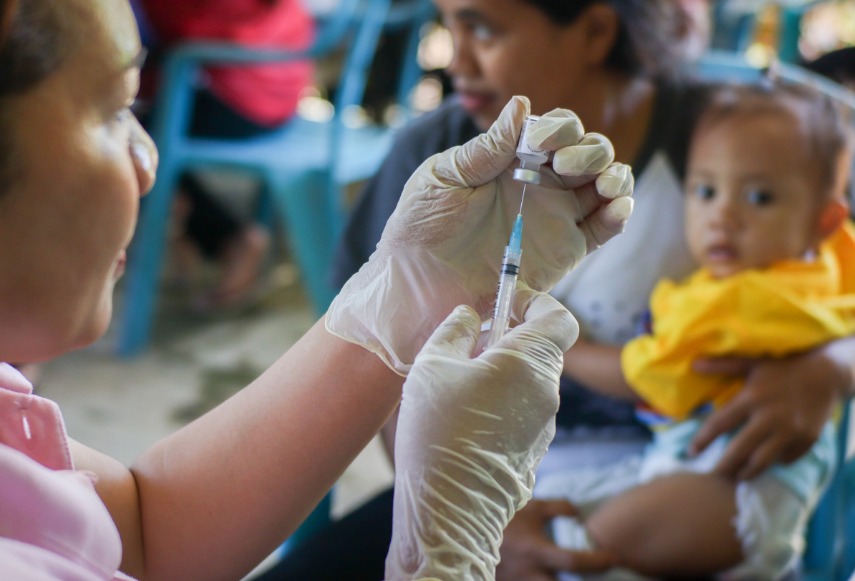
Vaccinations on schedule provide optimal protection for children. Proper intervals between vaccines ensure the child’s body develops optimal antibodies, making the vaccines more effective. Paediatrician Dr Meta Hanindita explained that inactivated vaccines (containing killed pathogens) can be administered together with other inactivated vaccines or live vaccines without needing a gap. She cited inactivated vaccines such as DPT, IPV Polio, Hib, Hepatitis B, Hepatitis A PCV, HPV, and injectable influenza. ‘If the same inactivated vaccine is given, such as DPT1 and DPT2, a minimum gap of four weeks (28 days) is required,’ Dr Meta stated during confirmation on Sunday, June 1. Live vaccines (containing weakened pathogens) can be given together if scheduled in the same visit, for example oral polio, BCG, measles, and MMR. ‘If two live vaccines are not administered on the same day, they must be spaced at least four weeks apart,’ she added. For delayed vaccination schedules, simply continue from the last dose administered. No doses are wasted due to delays; consult a doctor for catch-up immunisation (H-2). Influenza vaccine can be given to children over three months old, and is also recommended for vulnerable groups. Child immunisation is mandatory from birth up to 18 years old, as mandated by the Ministry of Health to protect children. Infectious diseases pose a serious threat in high-social-interaction environments such as schools and dormitories. Don’t panic if a child’s vaccination schedule is missed; paediatricians explain catch-up procedures to safeguard children. Timely vaccinations are crucial for protecting children from serious diseases. Understand the benefits of immunisation, risks of delays, and why parents must adhere to the schedule. Vaccines such as RSV, Hepatitis A, Hepatitis B, dengue, and meningococcal are administered based on specific risk factors. Medical staff administer Human Papillomavirus (HPV) vaccine during School Child Immunisation Month.