
Note! Jakarta Residents Now Required to Sort Waste into These 4 Categories
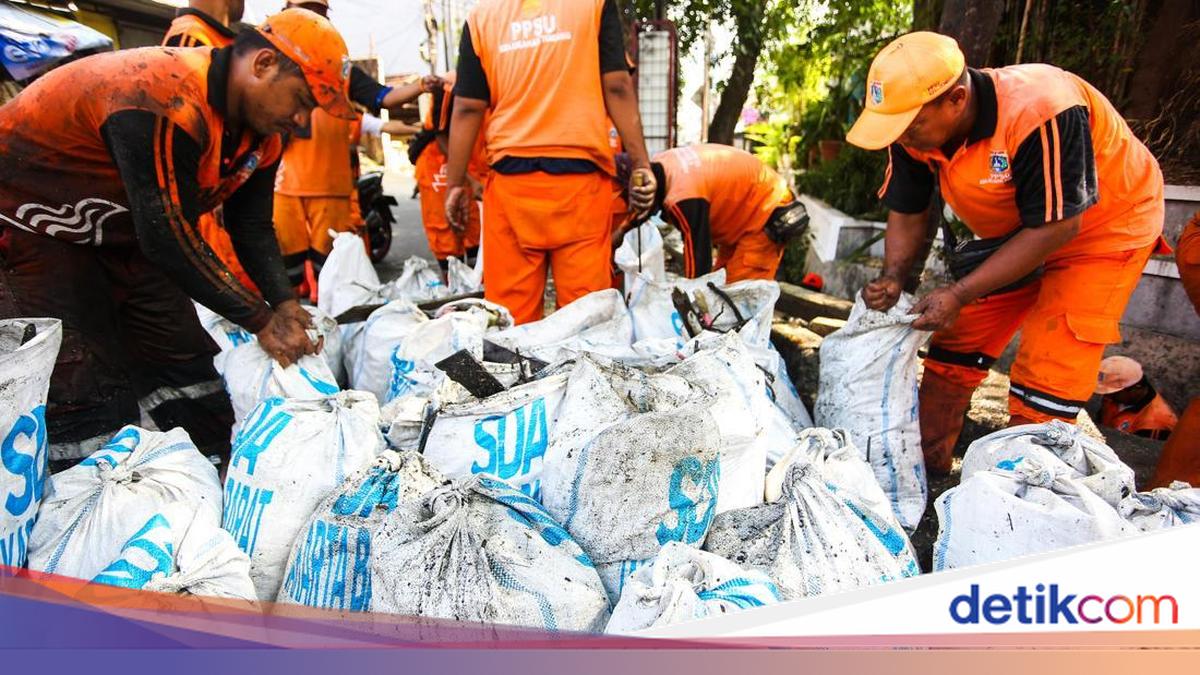
Jakarta Governor Pramono Anung has emphasised that this policy is a concrete step to strengthen waste management while reducing the load on the Bantargebang Integrated Waste Processing Site (TPST). According to detikcom’s review of the Governor’s Instruction (Ingub) on Wednesday (6/5/2026), waste sorting is to be carried out based on four types: organic waste, inorganic waste, hazardous and toxic materials (B3), and residue. Each type of waste has a different subsequent processing mechanism. Organic waste, such as food scraps and leaves, is directed for processing via composting, maggot systems, or biodigesters. Meanwhile, inorganic waste like plastics, paper, and metals is encouraged to go to waste banks or be recycled. B3 waste, including batteries, lamps, and other hazardous materials, must be handled specially and taken to B3 temporary disposal sites (TPSB3). Residue consists of waste remnants that cannot be further processed and will be transported to final processing sites such as RDF or waste-to-energy plants (PLTSa). The Ingub also stresses that waste sorting must be done from the source, including households, offices, and business areas. Furthermore, the role of regional apparatus down to the neighbourhood level (RW) is strengthened. Sub-district heads are tasked with ensuring all residents sort waste, while conducting education and field supervision. The regulation even allows RW administrators to impose administrative sanctions on residents who fail to sort waste as required. Sanctions are applied based on deliberations at the RW level. Conversely, the DKI Provincial Government is preparing incentives for areas that successfully implement maximum waste sorting. “Providing incentives in the form of infrastructure and facilities to RWs that have successfully achieved 100 percent sorting in accordance with applicable provisions,” states the Ingub. In addition to the public, similar obligations apply to offices, business actors, and area managers such as hotels, restaurants, and apartments. They are required to provide independent waste processing facilities so that only residue leaves the premises. The DKI Provincial Government, through the Environmental Agency, will conduct strict supervision, including ensuring that waste transported to temporary disposal sites (TPS) is already sorted. Previously, the DKI Jakarta Provincial Government will begin implementing Ingub Number 5 of 2026 on waste sorting on 10 May 2026. The programme’s kick-off is planned for the Rasuna Said Street area in South Jakarta. Jakarta Governor Pramono Anung stated that the implementation of this Ingub is the initial step to encourage behavioural change in society for managing waste from its source. “Tomorrow, on the 10th, we will start the implementation of the Ingub that I signed for waste sorting,” said Pramono at Jakarta City Hall on Wednesday (6/5).