
Not the Rupiah: This Neighbouring Country's Currency is Collapsing the Worst in ASEAN
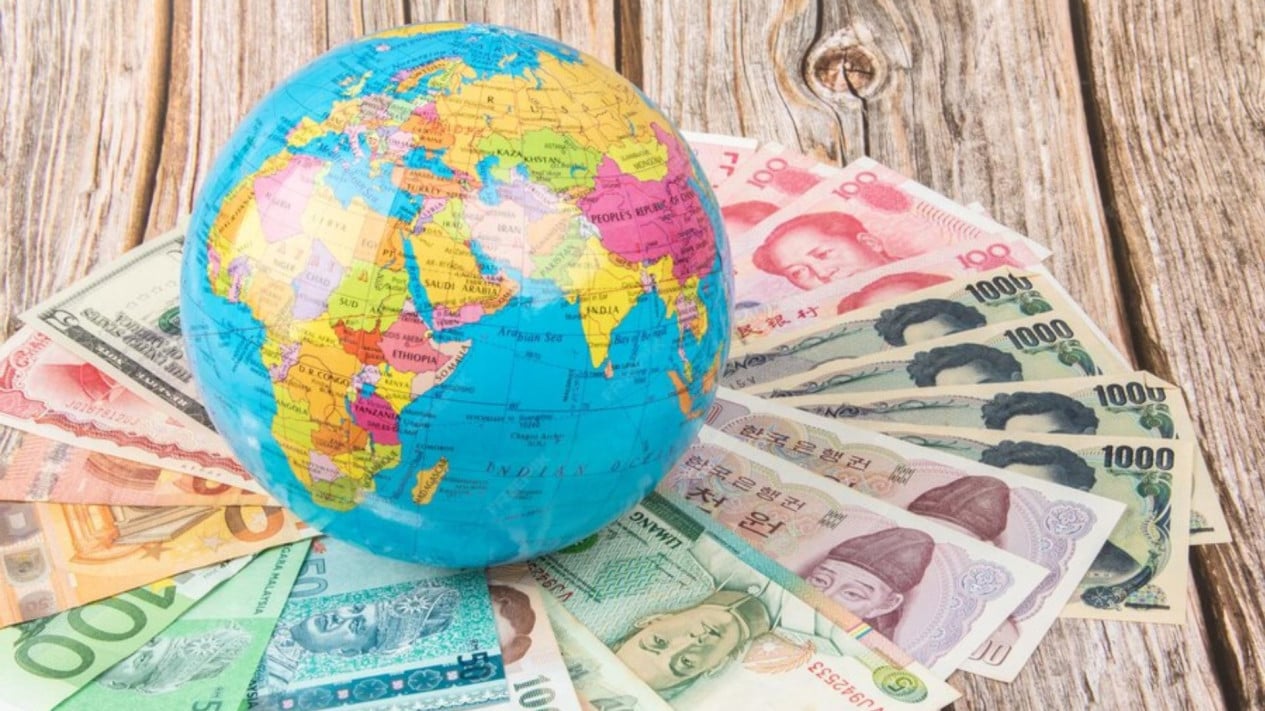
The Thai baht has become one of the worst-performing currencies in Asia since geopolitical tensions in the Middle East escalated, triggering a surge in global oil prices. Pressure on the baht is expected to continue due to Thailand’s heavy dependence on energy imports.
Since the Iran conflict heated up, the baht has weakened by more than 4% against the US dollar. In the same period, it also fell around 3.4% against the Singapore dollar. This positions the baht as one of the weakest currencies in Asia, performing only slightly better than the Philippine peso.
Analysts attribute this to Thailand’s economic structure, which is highly vulnerable to rises in global energy prices. The country’s large trade deficit in oil and gas makes it particularly susceptible to pressure when oil prices increase.
“We still see downside risks for the baht because Thailand has the largest net trade deficit in oil and gas in Asia,” said Lloyd Chan, foreign exchange analyst at MUFG Bank in Singapore, as quoted from The Straits Times on Monday, 27 April 2026.
He also highlighted that global energy supply disruptions continue due to tensions in the Middle East. “The US blockade of Iranian ports is still ongoing, and this will continue to disrupt energy flows,” he added.
Pressure on the baht eased somewhat in early April following news of a ceasefire between the US and Iran. However, weakening resumed after negotiations between the two sides hit another impasse.
Major banks forecast that the baht could weaken further. MUFG Bank predicts the baht could fall to 33.90 per US dollar this quarter, its weakest level since April 2025.
Meanwhile, Maybank noted that Thailand’s seasonal current account balance patterns will add further pressure on the currency in the second quarter.
“We remain cautious on the baht in the second quarter due to rising oil prices and seasonal narrowing of the current account balance,” said Alan Lau, analyst at Maybank in Singapore.
Pressure on Thailand’s economy is also evident in revised growth projections. The Bank of Thailand estimates economic growth could slow to around 1.3% in 2026 if the conflict drags on, lower than the pre-conflict estimate of 1.9%.
Source: jawawa.id (https://jawawa.id/newsitem/not-the-rupiah-this-neighbouring-countrys-currency-is-collapsing-the-worst-in-asean-1777269100)
Originally published by VIVA.co.id (https://www.viva.co.id/bisnis/1894771-bukan-rupiah-mata-uang-negara-tetangga-ri-ini-justru-ambruk-paling-parah-di-asean), translated from Indonesian