
Not Salmon: This Indonesian Fish Boasts the Highest Omega-3 Levels in the World
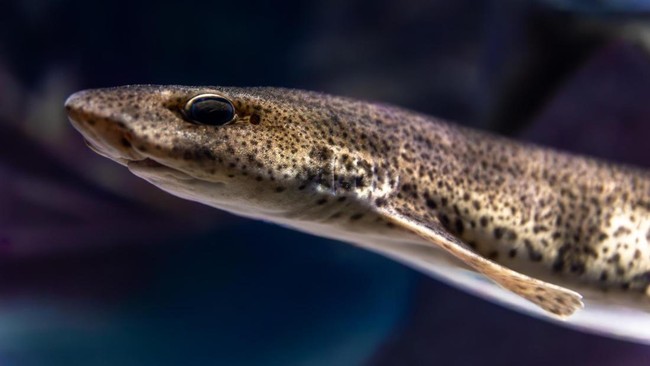
Indonesian eel, widely found in Indonesian waters, possesses exceptionally high nutritional content. In fact, this fish is reported to have the highest levels of Omega-3 fatty acids in the world, surpassing salmon, which has long been recognised as one of the premier sources of Omega-3.
Gadis Sri Haryani, a Lead Researcher at the Centre for Limnology and Water Resources Research under the National Research and Innovation Agency (BRIN), revealed that research findings show eel has a higher nutritional value compared to several other popular fish species. “For a long time, we assumed salmon had the highest levels, but it turns out eel actually possesses the highest nutritional value,” Gadis stated, as quoted from the official BRINT website.
In addition to being rich in Omega-3, eel also contains various other essential nutrients such as vitamin A, vitamin B complex, iron, protein, phosphorus, and necessary calories. These components make eel a potential high-value source of nutritious food. The Omega-3 in eel consists of DHA (docosahexaenoic acid) and EPA (eicosapentaenoic acid). DHA plays a vital role in brain development and function, while EPA helps reduce inflammation and maintain heart health.
Beyond its nutritional superiority, eel holds significant economic value for Indonesia’s fisheries sector. However, Gadis warned of the importance of science-based and sustainable management to ensure that the utilisation of this resource does not lead to overexploitation, which could threaten future populations.
The uniqueness of the eel is also evident in its catadromous life cycle, meaning it spends most of its life in freshwater before migrating to the sea to breed. “Catadromous means that when eggs hatch in the sea, they become leptocephalus, or unique eel larvae, which are flat, transparent, leaf-like, and unable to swim,” Gadis explained. She added that during the migration from the deep sea to estuaries or river mouths, these larvae undergo a transformation into glass eels.