
Not Poverty, but Structural Factors are the Main Drivers of Money Politics
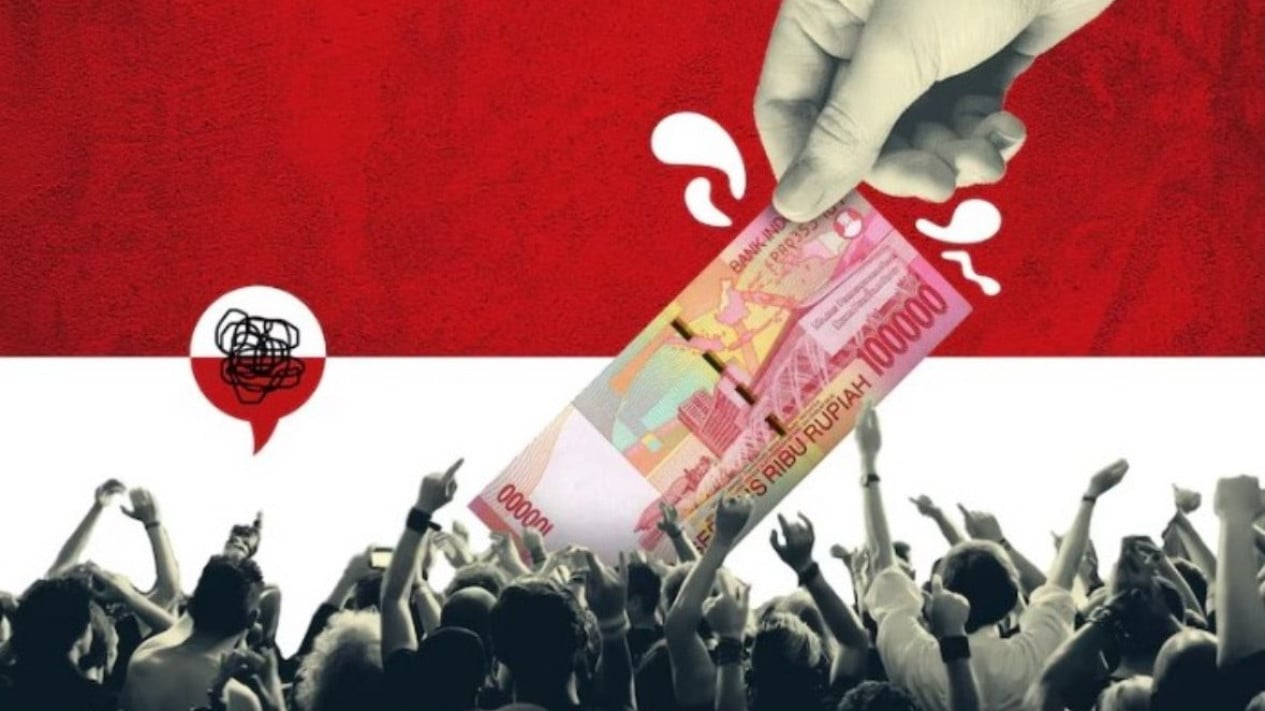
Jakarta, VIVA – Researcher, digital strategist, and Chairman of Lucidium AI, Yoyo Budianto, has introduced the Dawn Attack Vulnerability Index (IKSF/DAVI), a quantitative instrument designed to measure and map the vulnerability to money politics down to the sub-district level. The index was published in a scientific paper titled ‘Formulating the Dawn Attack Vulnerability Index (DAVI/IKSF) in Indonesian Legislative Elections’ via the Social Science Research Network (SSRN).
The study challenges the long-held belief that poverty is the primary explanation for money politics. By applying the IKSF to two cities with low poverty rates and high Human Development Indices (HDI), the research found that 63 out of 119 sub-districts fell into the high to very high vulnerability category, with an average vulnerability score of 3.08 on a 5-point scale.
These findings suggest that vulnerability to money politics is more heavily influenced by structural factors, such as intense competition between legislative candidates within the same party, thin victory margins, and the strength of political broker networks at the local level.
“For a long time, we have explained money politics with a single, incorrect sentence: poor people are easily bought. The data shows the issue is far more complex. What drives ‘dawn attacks’ is not solely poverty, but the design of political competition that creates incentives to buy votes. Therefore, this practice persists even in relatively prosperous cities,” said Yoyo Budianto.
According to Yoyo, a fundamental problem in monitoring money politics is the lack of instruments capable of identifying vulnerabilities at the micro level. Currently, most monitoring indicators stop at the regency or city level, making pockets of vulnerability at the sub-district level difficult to detect.
The IKSF was developed to address this need by providing a data-driven approach that allows election monitors to map priority areas more precisely. “What cannot be measured cannot be managed. IKSY is designed as an early detection instrument so that monitoring resources can be focused on truly high-risk areas,” he added.
In addition to introducing a new measurement model, the research also offers several policy recommendations to strengthen election integrity in Indonesia, including evaluating the design of the open-list proportional election system, which encourages internal competition between candidates.
Source: jawawa.id (https://jawawa.id/newsitem/not-poverty-but-structural-factors-are-the-main-drivers-of-money-politics-1785516887)
Originally published by VIVA.co.id (https://www.viva.co.id/berita/nasional/1918041-bukan-kemiskinan-ternyata-ini-kerawanan-utama-terjadinya-politik-uang), translated from Indonesian