
Not Ordinary Dust: The Composition of Volcanic Ash and Its Impact on Human Health
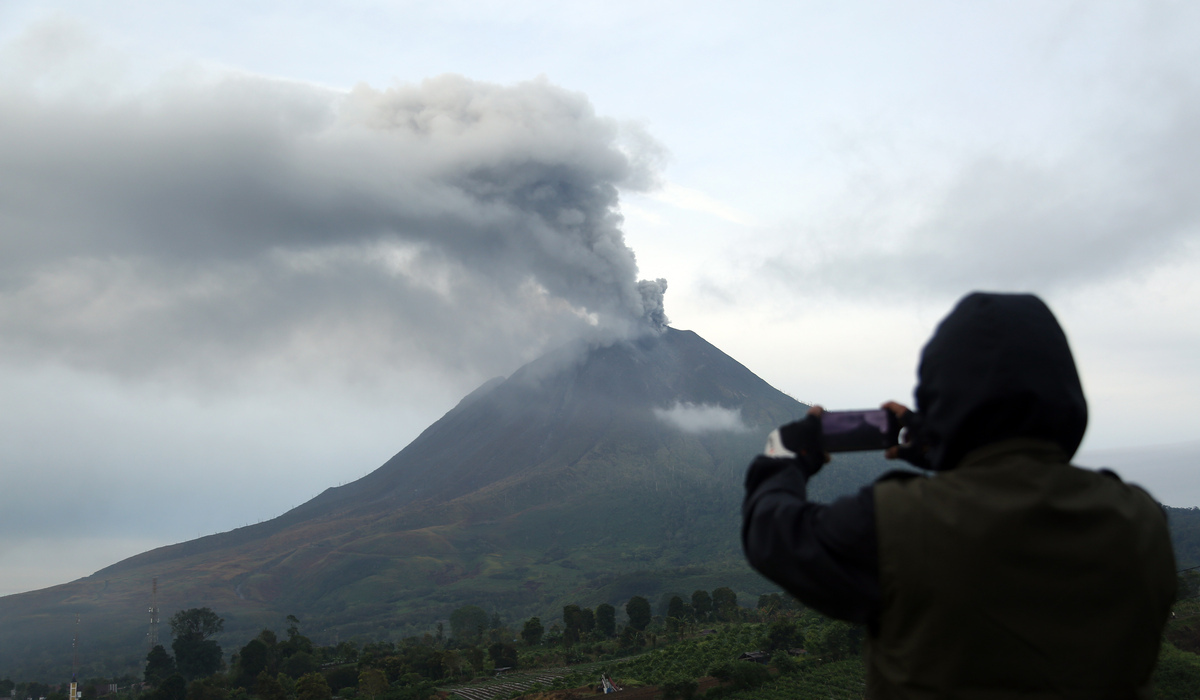
A volcanic eruption is a natural phenomenon that releases various materials into the atmosphere, one of the most wide-reaching of which is volcanic ash. Unlike soft household dust, volcanic ash consists of fragments of rock, minerals and volcanic glass formed during explosive magma activity. Because of its abrasive nature and its content of certain chemical elements, exposure to volcanic ash requires serious handling to minimise both short-term and long-term health risks.
Physically, volcanic ash is made up of very small particles, ranging from less than 2 millimetres to microscopic sizes (less than 10 microns). These extremely fine particles are the most dangerous because they can be inhaled deep into the lungs.
Exposure to volcanic ash can affect various human organ systems, particularly the respiratory tract, eyes and skin. The impact depends on the concentration of ash in the air, the duration of exposure and the individual’s pre-existing health conditions.
Respiratory effects are the most commonly reported. Fine particles (PM10 and PM2.5) can enter the nose, throat and even the alveoli in the lungs. Symptoms frequently include irritation of the nose and throat, coughing, wheezing and breathlessness, particularly in people with asthma or chronic lung disease.
Because of its abrasive, sandpaper-like nature, volcanic ash is highly dangerous to the eyes. Symptoms include redness, a gritty sensation, pain and, in severe cases, corneal abrasion.
Although it rarely causes systemic problems, volcanic ash can cause skin irritation, especially when the ash is acidic. Symptoms include redness, itching and secondary infections caused by scratching.
Individuals with a history of heart and lung disease, the elderly and children face a far higher risk of complications during volcanic ashfall.
To reduce the harmful effects of volcanic ash, residents are advised to take the following precautions: wear masks, particularly N95 respirators, when outdoors; protect the eyes with goggles; keep skin covered with long sleeves; and remain indoors with doors and windows shut where possible. Health facilities are operating 24 hours a day to respond to a potential surge in patients.
Source: jawawa.id (https://jawawa.id/newsitem/not-ordinary-dust-the-composition-of-volcanic-ash-and-its-impact-on-human-health-1788796226)
Originally published by Media Indonesia (https://mediaindonesia.com/kesehatan/930692/bukan-debu-biasa-ini-kandungan-abu-vulkanik-dan-dampaknya-bagi-kesehatan-manusia), translated from Indonesian