
Not Necessarily Shopping: Why Indonesians Still Visit Malls
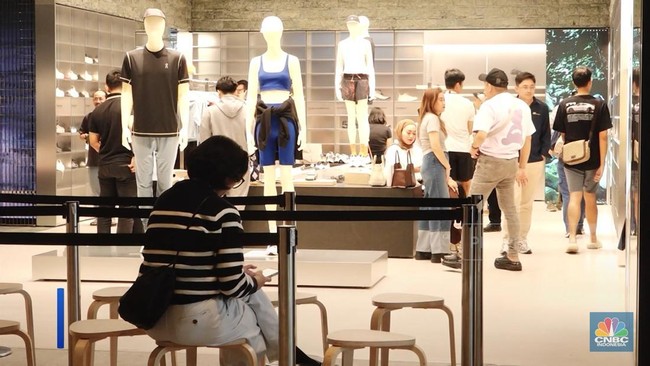
Jakarta, CNBC Indonesia — Visitor numbers at shopping centres in Jakarta remained high in the third quarter of 2026. However, the crowds have not necessarily been matched by an increase in transactions.
This has revived questions about the “Rojali” phenomenon — groups who rarely buy anything — which was widely discussed last year.
The situation poses a challenge for the retail industry, as visitor numbers are not the only measure of business performance. People still go to malls to eat, find entertainment, enjoy leisure activities and socialise, but purchasing decisions are increasingly shaped by their needs and financial means.
Alphonzus Widjaja, chairman of the Indonesian Shopping Centre Management Association (APPBI), said visits to shopping centres had so far remained relatively stable. The habit of using malls as gathering places has helped sustain activity there, even while the retail business faces pressure.
“Up to now, average visits to shopping centres have remained relatively stable because Indonesians tend to keep visiting them in all kinds of situations and circumstances,” Alphonzus told CNBC Indonesia on Thursday, 15 October 2026.
However, there is a distinction between why people visit malls and whether they decide to spend money. Visitors can enjoy shopping-centre facilities without buying anything, so busy malls do not automatically indicate strong consumer demand.
Alphonzus said malls now also serve a social function, bringing people in even when they do not intend to shop. This shift helps explain why visitor numbers can hold steady while retail transactions do not rise at the same rate.
“Shopping centres are no longer merely places to shop, and Indonesians also have a culture of gathering,” he said.
Pressure on transactions is also linked to economic conditions that influence household spending decisions. When people face various financial pressures, they tend to be more selective with their outgoings and may defer non-essential purchases.
The retail industry is also going through a low season after Ramadan and Eid al-Fitr, which are usually peak sales periods. This means the gap between mall footfall and actual spending should be considered in light of the industry’s seasonal cycle.
“This year, the low season has come under additional pressure because it is relatively longer than before, as Ramadan and Eid al-Fitr came earlier, in the first quarter of 2026,” Alphonzus said.