
Not Magic, Taiwan's GDP Surges 13.7% Amid Middle East Conflict
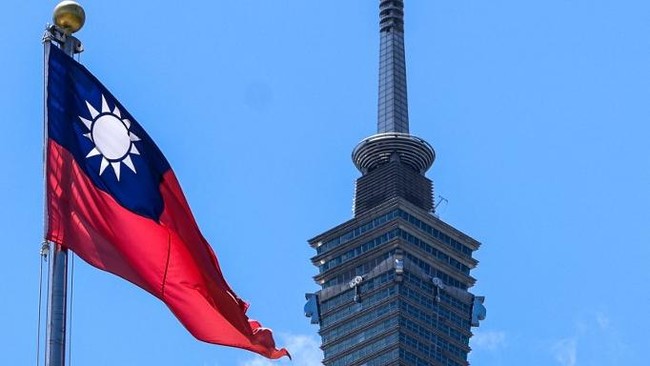
Amid global concerns over the Middle East conflict shaking energy markets, Taiwan’s economy is racing ahead in early 2026, bolstered by a surge in demand for artificial intelligence (AI) technology.
Taiwan’s statistics agency recorded that GDP in the first quarter of 2026 rose 13.7% year-on-year. This figure marks the fastest growth since the second quarter of 1987 and exceeds market expectations, which had previously been forecast at just 11.3% based on a Bloomberg News survey.
This growth also surpasses the 12.7% achieved in the previous quarter.
The surge is inseparable from Taiwan’s role as the world’s primary producer of semiconductor chips, which form the backbone of various AI technologies. Demand for chips used in devices ranging from smartphones to advanced computing systems continues to drive the island’s economic expansion.
However, behind this impressive performance, concerns linger. The Iran conflict has triggered significant uncertainty, particularly since Taiwan relies heavily on energy imports to sustain its industrial operations and electricity supply.
The government in Taipei is working to mitigate the impact by absorbing much of the fuel price increase, while ensuring secure supplies of energy sources such as liquefied natural gas (LNG) and oil. Most of Taiwan’s energy needs indeed come from the Middle East region, now embroiled in conflict.
From an industrial perspective, key players in the semiconductor sector are also signalling optimism. TSMC’s chief financial officer, Wendell Huang, stated that the company does not anticipate disruptions to supplies of essential materials in the near term.
“The company does not expect the war to impact supplies of key chip-making materials such as helium and hydrogen in the near future,” he said, as reported by AFP.
TSMC itself is the world’s largest contract chip manufacturer, supplying critical components for various global technology products, including Apple’s iPhone and Nvidia processors.
Nevertheless, not all economic indicators show strength. Prior to the official data release, Taiwan’s domestic consumption was likely to slow, and investment possibly to decline in the first quarter, in line with market sentiment pressured by geopolitical conflict.
Overall, Taiwan’s export-based economy continues to demonstrate strong resilience. In 2025, the country’s economy grew 8.6%, the fastest pace in the past 15 years. However, growth is projected to moderate to around 3.5% this year, amid increasingly complex global challenges.