
Not Just Species Count: Healthy Ecosystems Desperately Need Predators
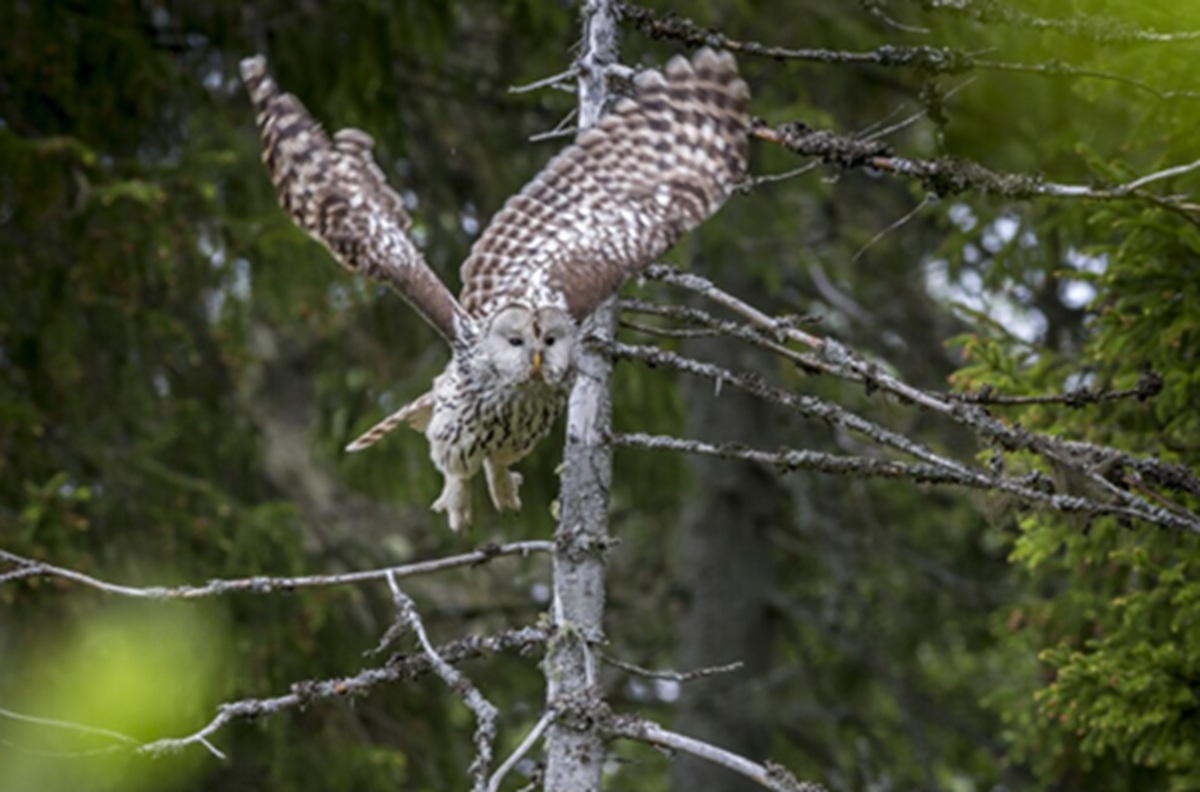
Conservation efforts have long focused on quantity, namely maintaining a high number of species within an area. Many believe that the more species living side by side, the healthier and stronger the ecosystem will be. However, a recent global study debunks this assumption. The research results show that the health and function of an ecosystem are not solely determined by the number of species present, but by the presence of species at the top of the food chain, namely predators. This large-scale study was led by scientists from the University of British Columbia (UBC) and involved an international network of researchers. They analysed data from dozens of ecosystems around the world to see how interactions between species affect overall environmental performance, such as nutrient cycling and biomass productivity. The results were quite surprising. When predators were removed from an ecosystem, the environment’s ability to function optimally declined drastically, even if the total number of plant or prey species within it remained high. Without predators to control the populations below them, the natural balance is disrupted. Prey species tend to overconsume vegetation, which ultimately damages the very foundation of the ecosystem itself. The study emphasises that every level in the food chain has a specific role that cannot be replaced. Predators act as natural regulators, preventing any single species from dominating and depleting natural resources. The findings carry a strong message for future global conservation policy. The focus of nature protection can no longer be merely on counting how many species are saved from extinction, but must also ensure that the trophic structure, especially apex predators, is maintained within their natural habitats. One of the lead researchers stressed this paradigm shift. “Our results clearly show that we cannot just focus on accumulating species numbers to save the planet. We must protect the entire food web interaction network, and that means paying serious attention to protecting predators,” he said. Safeguarding living space for predators is no longer just a cosmetic choice in conservation, but an absolute necessity to maintain the functions of the earth we inhabit.