
Not Just Purbaya: These Countries Are Ditching the Dollar and Pursuing Panda Bonds
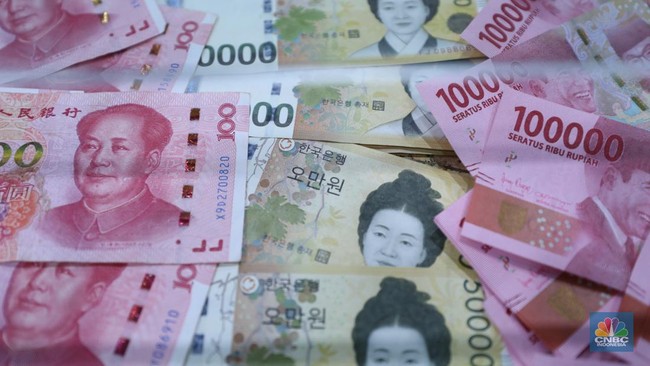
The Indonesian government is preparing to issue yuan-denominated debt in China’s domestic market, known as Panda Bonds. The instrument is expected to be issued in the near future, between late June and early July 2026. The Ministry of Finance has confirmed that the Panda Bond issuance process remains on schedule. During a recent visit by Finance Minister Purbaya Yudhi Sadewa to China, the government also met with the People’s Bank of China (PBoC) to discuss accelerating the licensing process. The government previously stated an initial target for the Panda Bond issuance of around US$1 billion. However, this figure may be adjusted depending on market conditions and investor appetite.
A Panda Bond is a yuan-denominated debt instrument issued by a foreign entity in China’s domestic bond market. These foreign entities can be foreign governments, international development institutions, financial institutions, or even non-financial companies. The instrument first emerged in 2005 when international development institutions were permitted to issue RMB-denominated bonds in China. Since then, RMB bonds issued by foreign institutions in China’s domestic market have been known as Panda Bonds. In simple terms, a Panda Bond is similar to other global bonds, but the currency and market differ. While Indonesia’s global bonds are typically issued in US dollars, euros, or yen, Panda Bonds are issued in yuan and offered in mainland China’s market.
The Panda Bond market is also growing rapidly. According to S&P Ratings China, Panda Bond issuance in 2024 reached a record RMB194.8 billion through 110 transactions by 44 issuers, with approximately 95% of the issuance taking place in China’s interbank market. Entering 2026, interest in Panda Bonds remains strong. The South China Morning Post recorded that Panda Bond issuance in the first five months of 2026 reached RMB136.5 billion, a 90.3% year-on-year increase. Issuers include not only international companies and banks but also foreign governments such as Kazakhstan and Pakistan.
Indonesia is not the first country to enter the Panda Bond market. South Korea pioneered the move in 2015. Subsequently, European nations such as Poland, Hungary, Portugal, and Slovenia also tapped the market. From Southeast Asia, the Philippines first issued Panda Bonds in 2018 and returned for another issuance in 2019. In recent years, issuance from developing countries has become more visible. Egypt entered the market through a Sustainable Panda Bond in 2023, while Pakistan and Kazakhstan made their debuts in 2026. Brazil is also preparing to enter the Panda Bond market. Reuters reported that Brazil plans to issue up to RMB5 billion, or approximately US$735 million. If realised, this would be the largest debut issuance of yuan-denominated debt by a foreign government in China’s domestic market. Brazil’s Finance Minister Dario Durigan stated that the issuance serves as a trial run, hoping it will pave the way for Brazilian companies to access yuan funding in the Chinese market.