
Not Just Palm Oil and Coffee: Rice to Cassava Emerge as Hidden Drivers of Global Deforestation
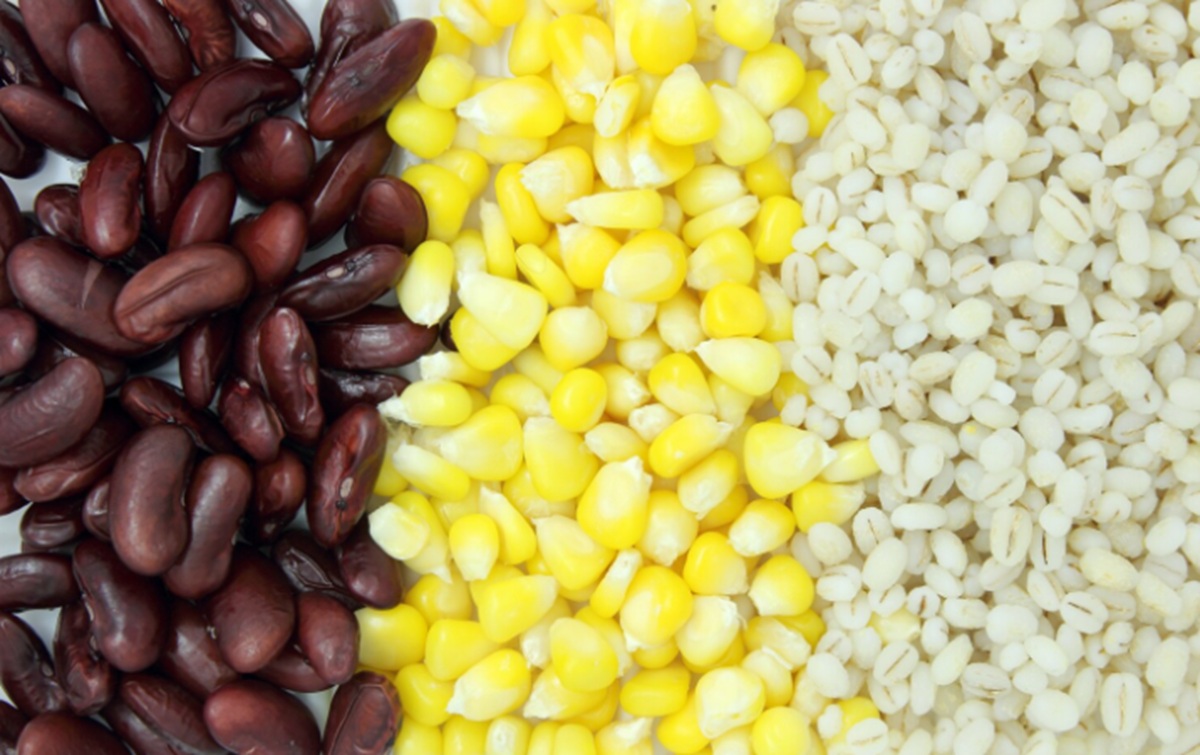
For a long time, the public has often pointed to chocolate, coffee, or palm oil as the main culprits behind global deforestation. However, a latest global study uncovers a shocking fact: the daily staple food crops we consume locally actually play a far greater role in the loss of the world’s forests.
Staple food products like maize, rice, and cassava have been recorded as driving more massive forest damage compared to many export commodities. Unfortunately, because they are consumed locally, the environmental impact of these crops often escapes global attention.
A team of researchers from Chalmers University of Technology in Sweden developed a cutting-edge model called Deforestation Driver and Carbon Emissions (DeDuCE). This model combines satellite imagery with agricultural statistics from 179 countries to track the links between 184 commodities and forest loss.
“The link between deforestation and food production has long been studied, but it often focuses on a few products like beef, soy, and palm oil that are already widely known,” said Chandrakant Singh, one of the study’s authors.
According to Singh, this study provides the most comprehensive overview to date. The data shows that between 2001 and 2022, the agricultural sector has wiped out around 122 million hectares of forest, with more than 80% of the damage occurring in tropical regions.
These findings challenge common assumptions. While large-scale industries like beef still dominate in South America, staple food crops show a worrying trend. The combination of maize, rice, and cassava contributes about 11% of total agriculture-driven deforestation. In comparison, the combination of chocolate, coffee, and rubber contributes less than 5%.
This poses a major challenge because staple food crops are grown in nearly every country, not just in specific hotspots, making their impact widespread and harder to monitor.
Co-author of the study, Martin Persson, emphasised the importance of changing perspectives.
“The debate on deforestation has so far largely revolved around how people in rich countries cause deforestation through imports of commodities, and this is very important to address. However, we must not forget that most deforestation is driven by agricultural production for domestic markets. So, to truly reduce deforestation, we must also take action in producer countries,” explained Persson.
The process of clearing forest land usually involves burning, which releases carbon stores into the atmosphere. This study estimates that deforestation from agriculture and forestry produced around 41 billion tonnes of carbon dioxide between 2001 and 2022, averaging nearly 2 billion tonnes per year.
Although this figure is lower than previous estimates, its impact remains significant for climate change. “Even if the numbers are lower, agriculture-driven deforestation still contributes about five percent of total global carbon dioxide emissions,” added Singh.
The researchers hope the DeDuCE model can serve as a guide for policymakers and companies to develop more targeted strategies. In the future, the model is planned to include non-food sectors like mining and energy production that also pressure forest conservation.
With more accurate data, it is hoped that every country will not only focus on export standards but also begin to improve the way local food is produced to preserve the world’s remaining lungs.
Source: jawawa.id (https://jawawa.id/newsitem/not-just-palm-oil-and-coffee-rice-to-cassava-emerge-as-hidden-drivers-of-global-deforestation-1774662676)
Originally published by Media Indonesia (https://mediaindonesia.com/humaniora/874049/bukan-cuma-sawit-dan-kopi-beras-hingga-singkong-jadi-pemicu-tersembunyi-deforestasi-global), translated from Indonesian