
Not Just Oil: 9 Items Facing 'Doomsday' Due to the Iran War
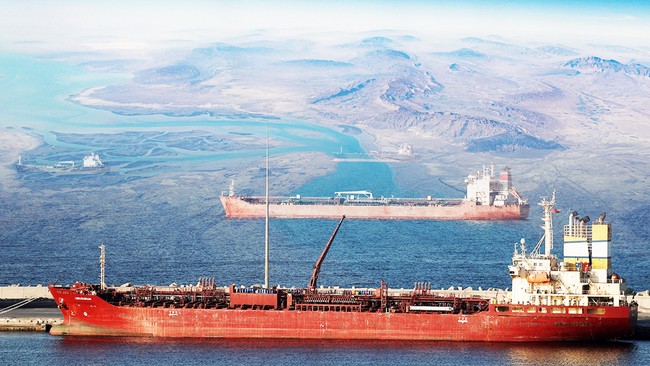
The escalating tensions in the Middle East have triggered a shipping crisis in the Strait of Hormuz, now regarded as the most terrifying supply disruption in the history of the global energy and commodities markets. The blockade of this vital route not only threatens oil stocks but also triggers a domino effect that paralyses food and high-tech supply chains across the world.
The Head of the International Energy Agency (IEA), Fatih Birol, revealed that this situation is an unprecedented phenomenon.
“The current shipping crisis in the Strait of Hormuz is the largest supply disruption in the history of the global oil market,” Birol stated, citing the World Economic Forum (WEF) on Sunday (05/04/2026).
Although the world’s attention is focused on the 11 million barrels of oil and 140 billion cubic metres of gas flowing daily, the real impact extends far beyond the energy sector. The conflict in Iran exposes deep vulnerabilities regarding the Middle East’s role as a primary supplier of non-oil commodities, from fertilisers to energy transition minerals.
- Fertilisers (Urea and Ammonia)
The Arabian Gulf region is a major global agricultural hub, contributing at least 20% of all seaborne fertiliser exports. The world’s dependence is even more acute on urea, the most widely used nitrogen fertiliser, with 46% of global trade originating from this area.
This supply is crucial for major agricultural economies such as India, Brazil, and China. Analysts warn that prolonged disruptions will tighten availability in import-dependent regions, potentially skyrocketing global food production costs and increasing inflationary pressures.
- Sulphur
Sulphur, a critical energy material and byproduct of oil and gas refining, is now at rock bottom due to halted refinery operations. Nearly half of global seaborne sulphur trade passes through the Strait of Hormuz, making the region a price setter for this commodity.
Sulphur shortages are forcing slowdowns in manufacturing hubs such as Indonesia and Africa’s copper belt. As a raw material for sulphuric acid, sulphur is essential for nickel and cobalt refining processes for electric vehicle (EV) batteries, as well as a primary reagent for phosphate fertilisers.
- Methanol
Around a third of global seaborne methanol trade passes through the Strait of Hormuz, so this disruption is tightening supplies of chemical raw materials for resins, coatings, and plastics. The impact will be felt across the entire global chemical value chain.
This situation is particularly significant for China, the world’s largest methanol buyer. Stocks at Chinese ports are feared to fall below warning thresholds if Middle Eastern exports remain halted, ultimately raising costs for plastic, paint, and synthetic fibre producers.
- Graphite Raw Materials
The production of synthetic graphite for EV battery anodes heavily relies on petroleum coke, a byproduct of oil refining. The impact on graphite prices is predicted to be more severe than other battery materials because oil refineries are likely to prioritise higher-value outputs amid surging prices.
With shipping costs also skyrocketing, natural graphite prices face additional pressure. This adds a heavy burden to EV battery costs, which were already strained by nickel, cobalt, and sulphur supply disruptions.
- Aluminium
The Middle East is a primary supplier of primary aluminium outside China, contributing around 9% of global production. Currently, supplies from smelters in the Gulf region are severely limited due to the ongoing conflict.
More than 150,000 tonnes of metal registered on the London Metal Exchange have been withdrawn from warehouses, reflecting the scale of regional export disruptions. Given aluminium’s widespread use in construction and renewable energy, the market is highly sensitive to supply pressures from the Gulf.
- Helium
Qatar plays a vital role by supplying nearly a third of the world’s helium needs. Tightening helium supplies are now spilling over into the global technology supply chain, particularly in semiconductor manufacturing that requires ultra-low temperatures.
However, the biggest concern arises from the healthcare sector, where MRI machines heavily rely on liquid helium to cool their superconducting magnets. Without a stable helium supply, MRI machines in hospitals worldwide will not be able to operate normally.
- Glycol (MEG)
Monoethylene glycol (MEG), a key material for polyester fibres and packaging, is one of the Gulf’s most significant chemical exports, with volumes reaching 6.5 million tonnes in 2025. China, the largest consumer, faces acute shortages, followed by other major importers such as India, Indonesia, Vietnam, and Thailand.
This situation is forcing Asian buyers to switch to alternative suppliers in the United States. This route shift is certain to push prices higher in a market that previously experienced oversupply and deep discounts.
- Iron Ore and Steel Pellets
The Gulf region is a significant supplier of high-grade iron ore and direct-reduced iron for the global steel industry. Shipowners began avoiding the Strait of Hormuz immediately after the conflict escalated, making fleet searches extremely difficult.
Buyers in Asia and India are starting to halt new procurements due to delivery uncertainties. Longer transit times and logistics cost surges are spilling over into the steel industry, which has been operating on razor-thin profit margins.
- Green Hydrogen Infrastructure
Although this crisis may accelerate the transition to clean energy in the long term, the current uncertainty is threatening green hydrogen project timelines. The Middle East was previously positioned as a