
Not Just Molasses, Indonesia's Petrol Can Be Blended with These Plantation Products
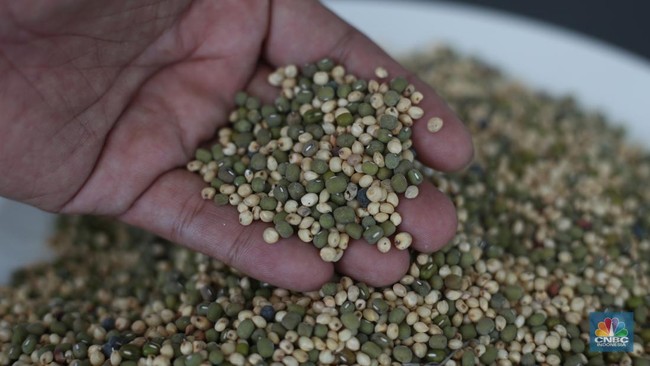
PT Pertamina New & Renewable Energy (Pertamina NRE) is developing various types of plant-based raw materials beyond sugarcane to produce bioethanol. The company is beginning to explore the potential of cassava, corn, and sorghum as alternative feedstocks for blending into fuel, particularly petrol.
Pertamina NRE CEO John Anis presented the plan to utilise various food sector products for bioethanol production to President Prabowo Subianto. He stated this aligns with the government’s target to optimise the potential of natural resources across different regions.
“But we are also developing from multi-feedstock, sir. So it can come from sugar palm in North Sulawesi, where you also have plenty, sir, then from cassava, corn, and sorghum as you mentioned yesterday, sir, your aspirations,” he said during a presentation at the Nationwide Simultaneous Harvest event with the Indonesian National Armed Forces, quoted on Monday.
Currently, the company has begun producing bioethanol based on sugarcane molasses through a plant in Mojokerto, East Java, with a capacity of 33,000 kilolitres per year. However, the use of other raw materials such as cassava and sorghum is considered more flexible for development in other provinces according to local availability.
“Now, what is interesting, sir, is that energy here, if refineries are only in a few places, this can be decentralised everywhere depending on local wisdom. So you can develop local farmers with local potential to become more prosperous, sir,” he continued.
The development of bioethanol aims to help Indonesia catch up with other countries like India, which has already implemented a 20% ethanol blend (E20). Currently, Indonesia is only implementing the E5 stage in the Jakarta and East Java regions using sugarcane molasses as feedstock.
“India is already at E20, sir, so we don’t want to lose, sir, we must catch up with them. We are only at E5, sir. So this is E5 at 170 of our outlets in East Java and Jakarta,” he explained.
According to him, using local raw materials from farmers will reduce Indonesia’s dependence on petrol imports. He calculated that by building around 20 to 30 new plants within two years, the state foreign exchange that has been flowing abroad could be redirected to improve the welfare of domestic farmers.
“Imports, sir. So rather than the money going abroad, give it to the farmers, sir,” he stressed.
Thus, the company emphasised the importance of government support in providing price certainty and mandatory regulations. This is necessary to ensure the supply of raw materials from farmers, such as cassava and corn, is maintained.
“There are two things, sir, the mandate and certainty of feedstock, sir, and the price, that is all,” he concluded.