
Not Just Masks: Essential Clothing to Protect Skin from Volcanic Ash
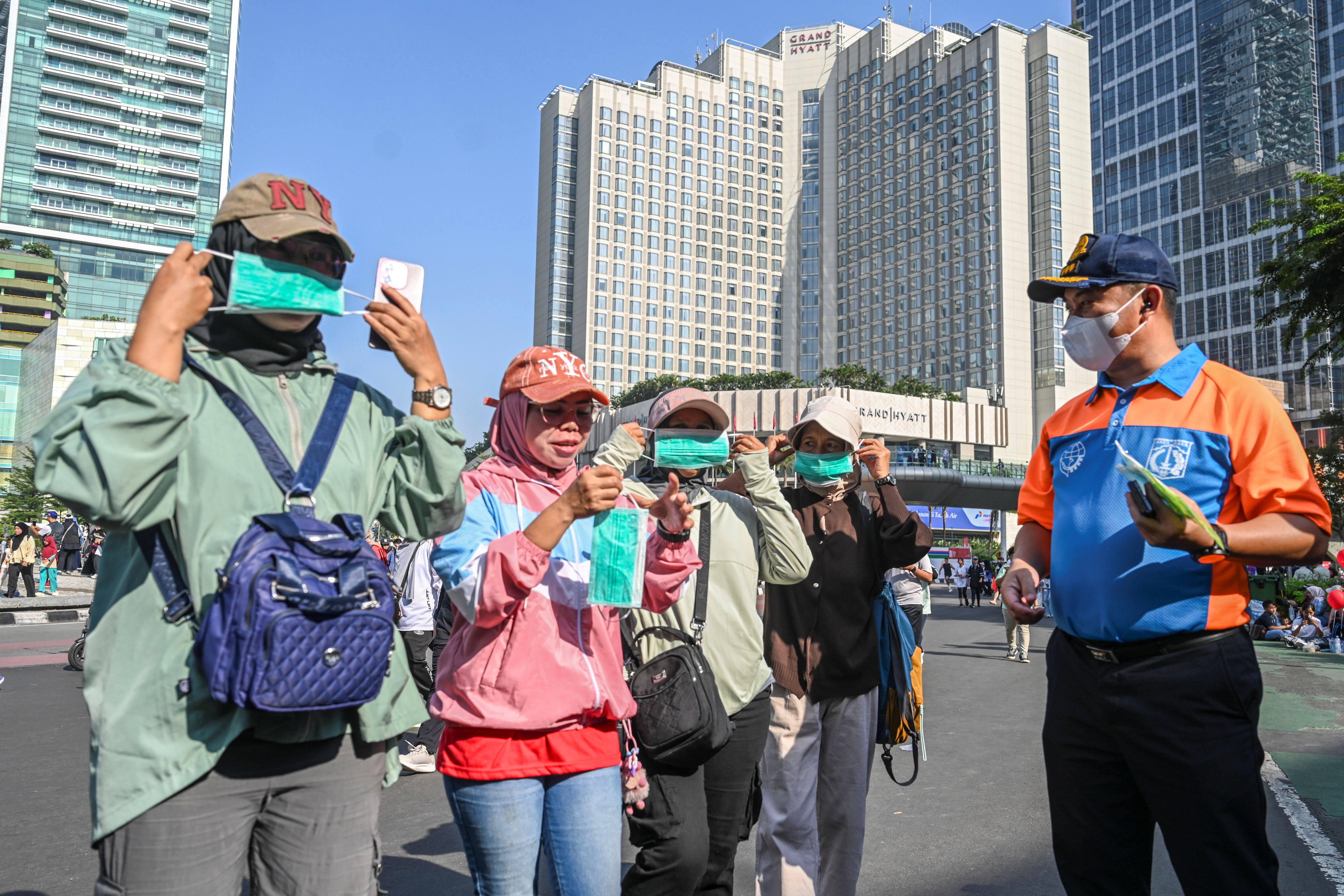
Volcanic ash exposure not only triggers respiratory and eye problems but also poses a high risk of damaging skin health due to its sharp and abrasive nature. Dermatology, Venereology and Aesthetics specialist Dr. Arini Astasari Widodo, SM, SpDVE, has issued guidance on the types of clothing and proper skin care to minimise the harmful effects of volcanic ash.
The Harvard-trained skin specialist urged the public to wear clothing that covers the entire body as much as possible when outdoors or when cleaning environments exposed to ash.
“Use clothing that minimises exposed skin, such as long-sleeved tops, long trousers and closed shoes. Covered clothing is especially important when cleaning areas heavily coated in ash,” Arini said, quoted by Antara on Monday (7/9).
The recommendation aligns with guidance from the United States Geological Survey (USGS), which stresses wearing long sleeves and long trousers to prevent direct contact between silica particles and skin tissue.
The member of the Indonesian Society of Dermatology, Venereology and Aesthetics (Perdoski) emphasised that sunscreen remains crucial, as the presence of ash particles in the atmosphere does not eliminate ultraviolet (UV) radiation.
Arini recommended applying broad-spectrum sunscreen with a minimum SPF of30 to skin that has been cleaned and dried before activities. However, she issued a firm warning about how to reapply sunscreen on exposed areas.
“The important thing is not to reapply sunscreen by rubbing it onto skin already covered in ash, because the ash can scrape against the skin. If the skin has been heavily exposed to ash, it should first be rinsed or gently cleaned, then dried, before sunscreen is reapplied,” Arini stressed.
She added that in conditions of heavy ashfall, limiting outdoor activities, closing doors and windows, and wearing covered clothing and hats are far more effective protective priorities than continually adding layers of sunscreen.
Extra attention must be given to vulnerable groups such as children, the elderly, and individuals with a history of eczema or highly sensitive skin.
People are advised to seek care at the nearest health facility if symptoms such as severe redness, swelling, intense burning or blisters appear on the skin after ash exposure.
“And of course, skin health is only one aspect. Volcanic ash can also irritate the eyes and respiratory tract, so the public should continue to follow official information and government instructions,” she concluded.
Source: jawawa.id (https://jawawa.id/newsitem/not-just-masks-essential-clothing-to-protect-skin-from-volcanic-ash-1788767443)
Originally published by Media Indonesia (https://mediaindonesia.com/kesehatan/930561/bukan-cuma-masker-ini-jenis-pakaian-wajib-agar-kulit-enggak-rusak-terkena-abu-vulkanik), translated from Indonesian