
Not Just Hormuz, Iran Ready to Close Red Sea Route — World Could Be Paralysed
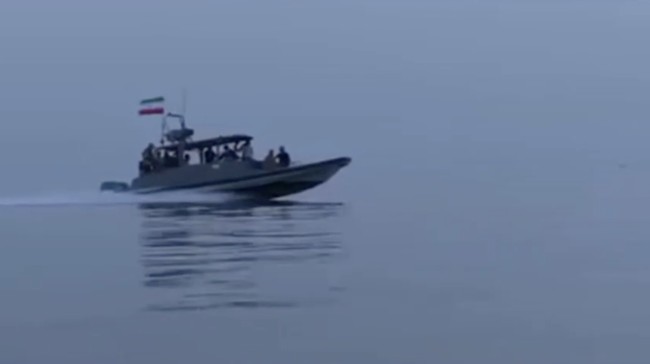
The threat to global energy supplies has escalated once again. Iran has reportedly asked the Houthi group in Yemen to prepare to close the oil shipping route in the Red Sea if the United States attacks Iran’s energy infrastructure, a move that could simultaneously cripple two of the world’s most important oil export routes. Three sources revealed this information to Reuters on Thursday. Two senior Iranian sources and one regional source familiar with the discussions said the idea had been discussed at the leadership level of the Islamic Republic of Iran and the message had been conveyed to Tehran’s allies, the Houthi group in Yemen. The three sources, who spoke on condition of anonymity, said the Houthis had recently received the request from Tehran. However, they did not explain how the message was delivered or whether the communication took place after US President Donald Trump threatened to attack Iran’s electricity infrastructure on Tuesday. A source close to the Houthi group said the group had completed preparations to attack international shipping. According to the source, the Houthis have positioned missiles and drones around the Bab el-Mandeb Strait, the gateway to the Red Sea, specifically in the highland areas of Yemen overlooking Hodeidah and the Gulf of Aden. The group is now merely awaiting orders to commence operations. The source also stated that the decision on when to close the Bab el-Mandeb Strait rests with representatives of Iran’s Islamic Revolutionary Guard Corps (IRGC) who are already in Yemen. If the threat to Bab el-Mandeb is realised, the global energy crisis is expected to worsen significantly, as Iran had previously closed the Strait of Hormuz, whilst Bab el-Mandeb is the second major route for Middle Eastern oil exports. Should both routes be disrupted simultaneously, the two most important oil export corridors in the region would be paralysed at once, opening a new chapter in the conflict between Iran and the United States whilst deepening the world energy crisis. Meanwhile, on Monday, the Houthis fired missiles into Saudi Arabian territory after accusing the kingdom of bombing an airport under their control. The attack ended an unofficial ceasefire that had lasted four years between Saudi Arabia and the Houthi group. Torbjorn Solvedt, principal Middle East analyst at risk intelligence firm Verisk Maplecroft, said the deterioration in relations between the Houthis and Saudi Arabia comes at a highly sensitive time. ‘If the fighting intensifies and spreads to export infrastructure and shipping in the Red Sea, it will threaten the only major alternative export route for oil from the region,’ he said. Two regional sources close to the Saudi government said Riyadh views the threats from both Iran and the Houthis seriously. They also mentioned that the Saudi government is aware that the Houthi group is now coordinating more closely with Iran regarding the situation in the Red Sea. Iran views the Houthis as part of the axis of resistance, a regional alliance that also includes Hezbollah in Lebanon and Shia armed groups in Iraq that have been involved in the regional conflict between Tehran and Washington. However, the Houthi group has not yet officially declared its entry into the war. The US has long accused Iran of supplying weapons, funds, and military training to the Houthis, including through Hezbollah networks, but Tehran has consistently denied these allegations.