
Not Just for Schoolchildren, MBG Programme Frees Farmers from Middlemen
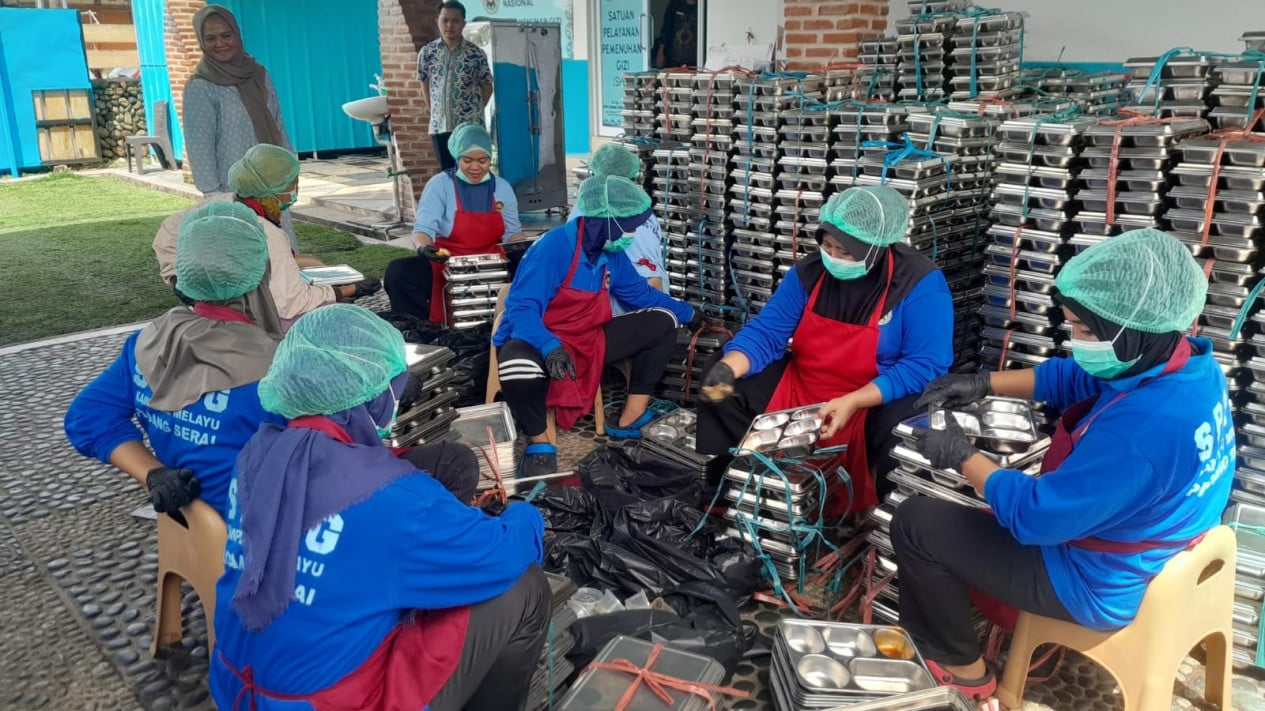
The government’s policy of focusing beneficiaries on underdeveloped, frontier, and outermost (3T) regions is seen as opening new markets for local agricultural produce. One of those feeling the impact is Agi Sumarlin, a farmer from Sukaresmi Village, Kadupandak District, Cianjur Regency, West Java. According to him, the existence of MBG kitchens provides farmers’ harvests with a clearer market, especially during the peak harvest season. “Previously, prices would plummet during the harvest season because of the abundant supply. With the MBG programme, local farmers’ produce has a guaranteed absorption outlet and serves as a benchmark for price stability at the farmer level,” Agi said on Monday, 29 June 2026. He assessed that the MBG programme also helps reduce farmers’ dependence on middlemen. Through cooperation with cooperatives or MBG service units, harvests can be sold directly at prices deemed more reasonable. “Supply contracts with cooperatives or MBG service units guarantee fairer and more stable prices,” he stated. As is known, the National Nutrition Agency (BGN) is currently refocusing the target beneficiaries of the MBG programme. The programme is prioritised for four groups: children in 3T regions, pregnant women, breastfeeding mothers, and toddlers. Agi supports this policy. In his view, concentrating the programme in rural areas and 3T regions can actually provide greater benefits for farmers who have long faced limited market access. “This is a breath of fresh air for farmers in the regions. Their harvests (rice, vegetables, local bananas, sweet potatoes, eggs, meat, and so on) can be absorbed by MBG kitchens. It can reduce the risk of failed sales or price crashes during the peak harvest, and they get a decent and stable selling price,” he said. He hopes the programme’s benefits will also continue to be felt by MSMEs and local traders who have been part of the MBG kitchen supply chain. “They want to be actively involved as raw material suppliers without any manipulation from kitchen owners,” he said. In addition to the MBG programme, Agi also admitted to feeling the impact of several government policies in the agricultural sector. He cited the simplification of subsidised fertiliser distribution, the increase in the purchase price of unhusked rice, and assistance with agricultural tools and machinery as a breath of fresh air for farmers.