
Not Just F&B: Luxury Cosmetics and Flagship Stores Battle for Jakarta Malls
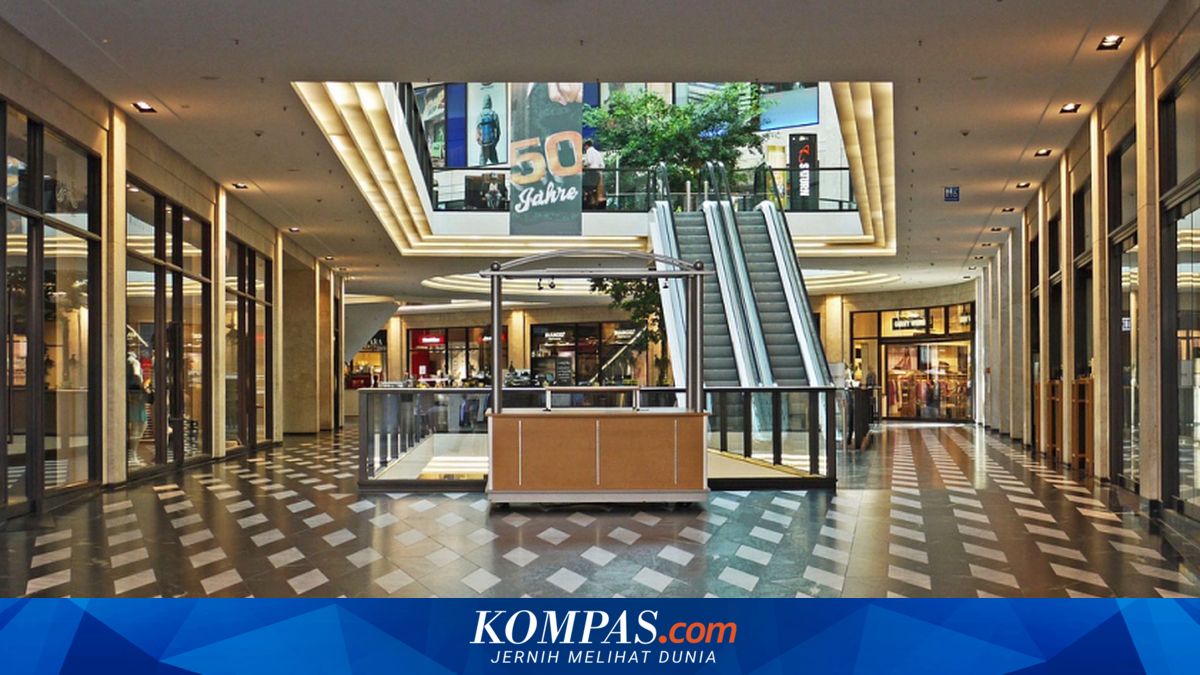
JAKARTA, KOMPAS.com — Despite significant contradictions in Jakarta’s modern retail market in the first half of 2026, marked by stagnant occupancy rates, this picture of sluggishness crumbles when examining the expansion activities of market players. Cumulative mall occupancy rates remain stagnant, with Colliers Indonesia’s reports indicating rates between 73% and 86% after new rental spaces entered the market. This statistical picture may suggest sluggishness at first glance, but the reality on the ground is undermined by massive expansion, with 44 international and domestic brands scrambling to secure large-scale retail spaces in Jakarta and its metropolitan area. The answer lies in the sharp polarisation between property classes. A generalised reading of occupancy indexes would lead to incorrect conclusions. Jakarta’s retail market is now split in two. Premium malls managed by experienced operators are experiencing surplus demand, while structural occupancy declines are hitting lower-tier malls that have failed to adapt to changing consumer behaviour. “This cumulative decline has not deterred domestic and international brands from securing new business spaces in the capital,” said Ferry Salanto, Head of Research at Colliers Indonesia. According to CBRE Research Indonesia, operational data from the first quarter of this year shows Jakarta’s cumulative mall supply has reached 3.58 million square metres. South Jakarta solidifies its dominance as the epicentre of luxury retail, contributing 26% of supply, followed by North Jakarta (20%), West Jakarta (20%), Central Jakarta (19%), East Jakarta (8%), and the Central Business District (CBD) at 7%. This latest supply growth was driven by the opening of Pondok Indah Mall 5 (PIM 5) extension in South Jakarta, adding approximately 26,400 square metres of rental space. The new spaces were quickly absorbed, with Jakarta’s net absorption reaching between 15,600 and 26,465 square metres in a single quarter. Occupancy dynamics are directly linked to rental rate movements. CBRE Research Indonesia confirmed that premium malls enjoy stable and robust rental growth. This far outpaces other segments, with Jakarta’s average base rent standing at Rp 327,500 per square metre per month. In city centre premium malls, base rents can surge up to three times the average, not including service charges that rise annually by 4-6% due to utility adjustments and experience-driven operational costs. Currently, Jakarta’s total vacant space stands at 484,000 square metres, mostly concentrated in secondary malls. CBRE Indonesia’s analysis reveals a radical shift in consumer behaviour and retail strategies. According to Albert Dwiyanto, Senior Director and Co-Head of Office Services at CBRE Indonesia, urban consumers are now more willing to spend on experiences. “As a result, shopping centres are transforming from mere transactional spaces into hubs for lifestyle, dining, and entertainment,” he added.