
Not Just Displaying Goods: The Role of Planograms in Modern Stores
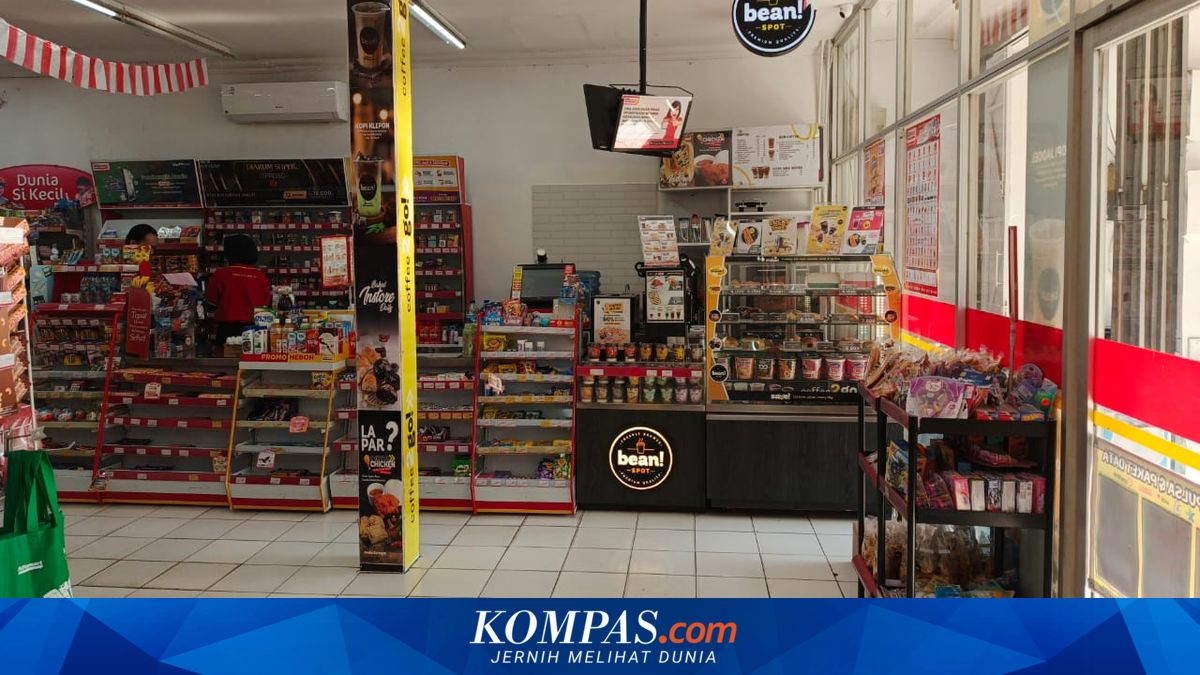
While shopping at a minimarket or supermarket, customers may think the arrangement of goods on shelves is simply done. In reality, product placement in modern retail is usually designed with careful calculations through a system called a planogram. In the retail industry, planograms are an important strategy to organise the store’s appearance to be neater, more comfortable, and more effective at driving sales. The concept is described in Retail Management: A Global Perspective by Harjit Singh. It notes that the position of products on shelves, the distance between displays, and the number of items displayed can influence customer comfort and purchasing decisions. A planogram is a visual guide showing how products are placed on shelves, displays, and other display areas within the store. Through planograms, retailers can determine various aspects of store layout. With this system, stores can have a more organised and consistent appearance. Proper product arrangement is believed to enhance the customer experience; customers will find items more easily and feel comfortable while shopping. Conversely, an unorganised arrangement can make customers struggle to locate items and reduce purchase interest. Therefore, modern stores do not place goods at random. High-selling products are usually placed in the most visible areas. Meanwhile, new products are placed near popular items to attract attention more quickly. The size of products is also an important consideration; large items require different display space than small or light items. For retailers with many branches, planograms help maintain uniform store layouts.