
Not Just a Trend: 2026 Marks the End of the Property Speculation Era
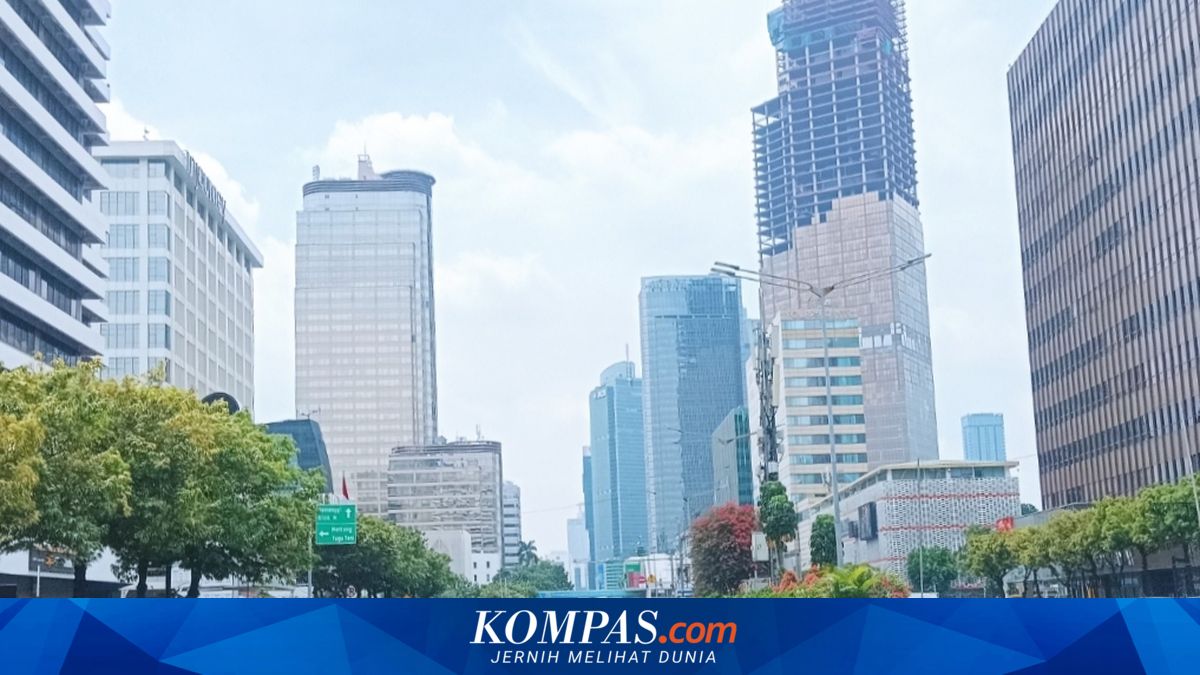
JAKARTA, KOMPAS.com - The Jakarta property market in the first quarter of 2026 demonstrates a pulse of recovery alongside a fundamental structural reorientation. National macroeconomic stability, reflected through GDP growth of around 5.61 percent, serves as the anchor for this transformation. Unlike past pragmatic cycles often driven by speculative motives, the current dynamics are instead based on real absorption by end-users and increasingly selective corporate tenants. “The current conditions create a more predictable market, allowing long-term decision-making with greater confidence,” stated Angela, responding to Kompas.com questions on Wednesday (6/5/2026). Investment realisation in the first quarter of 2026 recorded an impressive figure of Rp 500 trillion, almost evenly divided between Foreign Direct Investment (PMA) of Rp 250 trillion (50.1 percent) and Domestic Investment (PMDN) of Rp 248.8 trillion (49.9 percent). PMA growth reaching 8.5 percent annually confirms global confidence in domestic stability. Senior Director of Research at CBRE Indonesia, Anton Sitorus, highlighted that the dominance of downstream industry, services, and mining sectors in these capital flows provides a multiplier effect on demand for functional property space. In the office sector, the Central Business District (CBD) market is experiencing a zero-supply condition for new space, yet it recorded net absorption of 21,300 square metres. This figure has driven occupancy rates to 76.1 percent as of March 2026. The flight-to-quality trend has become an inevitable phenomenon. Tenants now prioritise Premium and Grade A buildings with green certifications and state-of-the-art facilities. “Interestingly, lease flexibility and right-sizing strategies have become key instruments for companies to optimise operational efficiency without sacrificing workspace quality,” remarked Anton. The modern industrial and logistics sector emerges as the favourite, with occupancy rates reaching 97.9 percent in the Jabodetabek region.