
Not Just a Rp5 Million Fee: These Are the Requirements to Renounce Indonesian Citizenship
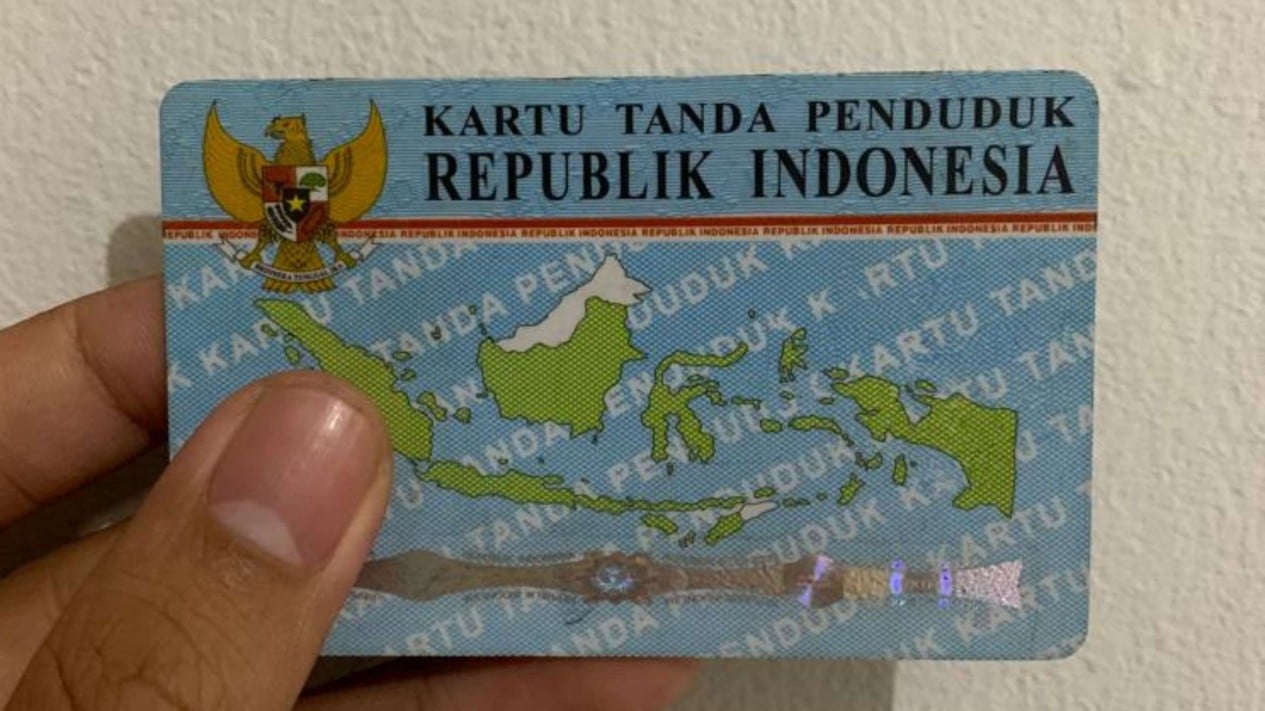
The government’s plan to increase the fee for renouncing Indonesian citizenship (WNI) has drawn public attention. Starting 1 August 2026, the government has set a new tariff of Rp5 million for citizens applying to lose their citizenship by their own volition. However, the fee is not the only requirement. The government has emphasised that the process of relinquishing WNI status remains strict and must pass through a series of checks by various ministries and agencies. The provisions are stipulated in Government Regulation (PP) Number 30 of 2026 concerning Types and Tariffs of Non-Tax State Revenue (PNBP) Applicable at the Ministry of Law. In addition to setting the new tariff, this regulation also stresses that not all applications for renunciation of citizenship will be directly approved by the government. The following are the terms and conditions that must be met to renounce WNI status: 1. Paying the application fee of Rp5 million. Starting 1 August 2026, every application for a Decree of Loss of Citizenship by personal request will be subject to a fee of Rp5 million. This fee constitutes Non-Tax State Revenue (PNBP) paid during the application process to the government. 2. Having no tax arrears. Minister of Law Supratman Andi Agtas asserted that the government will ensure every applicant has fulfilled their tax obligations before the application is processed further. ‘We must ensure that the person wishing to renounce their citizenship has no tax arrears and no connection to any ongoing criminal cases. This must be verified by 14 to 15 ministries and agencies,’ he stated. This means applicants who still have unresolved tax obligations may face obstacles in the process of renouncing their WNI status. 3. Not currently involved in a criminal case. In addition to tax matters, the government will also check whether the applicant is involved in a criminal case. This examination is part of a cross-ministerial and institutional verification process before the government decides to accept or reject the application. 4. Must pass cross-ministerial and institutional checks. Supratman stressed that the citizenship renunciation process cannot be done instantly. The government involves around 14 to 15 ministries and agencies to conduct checks on each applicant. Through this mechanism, the government ensures that all administrative and legal requirements have been met before a person’s citizenship status is released.