
Not China, This Is Actually the Owner of the World's Largest Mobile Phone Factory
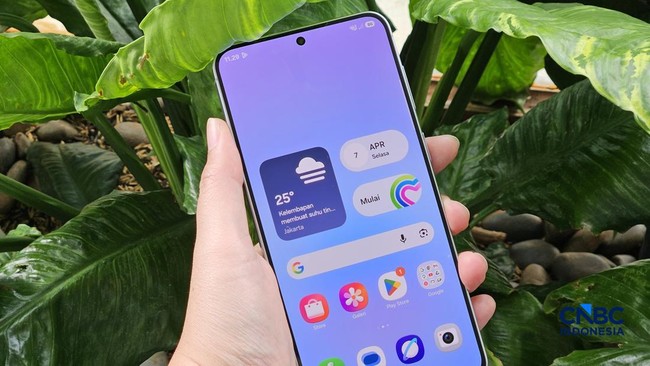
In a report by research firm Trendforce, Samsung was the smartphone brand with the largest production during the first quarter of 2026. A total of 62.6 million units were produced, an increase of 7.6% quarter-on-quarter and 2.3% from the previous year.
This positive achievement, Trendforce noted, was driven by stock replenishment for the latest Galaxy S series models. Samsung is also well positioned to withstand cost inflation pressures thanks to strong support from Samsung Group’s finances and a sizeable portfolio of premium products.
“Nevertheless, significant exposure to lower-tier models remains a concern, particularly amid weakening consumer sentiment. This makes final market demand a key factor to monitor,” Trendforce stated.
Behind Samsung is Apple, with production of 60.2 million units, growing 19.7% year-on-year. Trendforce recorded that the company saw an increase for its latest iPhone models, supported by the launch of the iPhone 17e. Apple is also noted to be in a better position to absorb rising memory costs while maintaining profitability.
“Trendforce believes Apple is likely to prioritise expanding market share during the current economic downturn, as it serves as a foundation for future growth in recurring software and services revenue,” Trendforce explained.
The third to sixth positions are occupied by Chinese companies, namely Oppo (29.5 million units), Xiaomi (26 million units), Vivo (22 million units), and Transsion (19.8 million units). Trendforce reported that Oppo, Xiaomi, and Vivo are experiencing uncertainty in their production plans this year due to surging memory costs that are burdening company profitability.
Overall, global smartphone production reached 284 million units. First-quarter production declined by 1.7% compared to the previous year. “Despite a sharp rise in memory prices since the second half of 2025, the impact on production has been minimal because manufacturers still hold inventories of cheaper memory components,” the firm stated. “Additionally, consumer expectations of higher prices in the future helped sustain short-term demand, thus reducing the impact of rising memory costs on production during the quarter,” Trendforce added.
The six vendors with the largest production worldwide are: Samsung - 62.6 million units, Apple - 60.2 million units, Oppo - 29.5 million units, Xiaomi - 26 million units, Vivo - 22 million units, and Transsion - 19.8 million units.