
Not all palm oil mills buy fresh fruit bunches at low prices
JAKARTA - Plans to implement a single-window export policy for strategic natural resources through Danantara Sumberdaya Indonesia (DSI) have sparked concerns among palm oil farmers, particularly in North Sumatra. Farmers believe the policy could exacerbate existing challenges in the palm oil trade, especially falling prices at the plantation level.
‘The prices were once good, reaching Rp 3,600 to Rp 3,700 per kg. Now they’re only Rp 2,300 to Rp 2,500. Our situation is worsened by high fertiliser costs. NPK fertiliser has risen to Rp 900,000 per sack from Rp 700,000,’ said Wahyudin, a palm oil farmer in Langkat, on Sunday (31 May 2026).
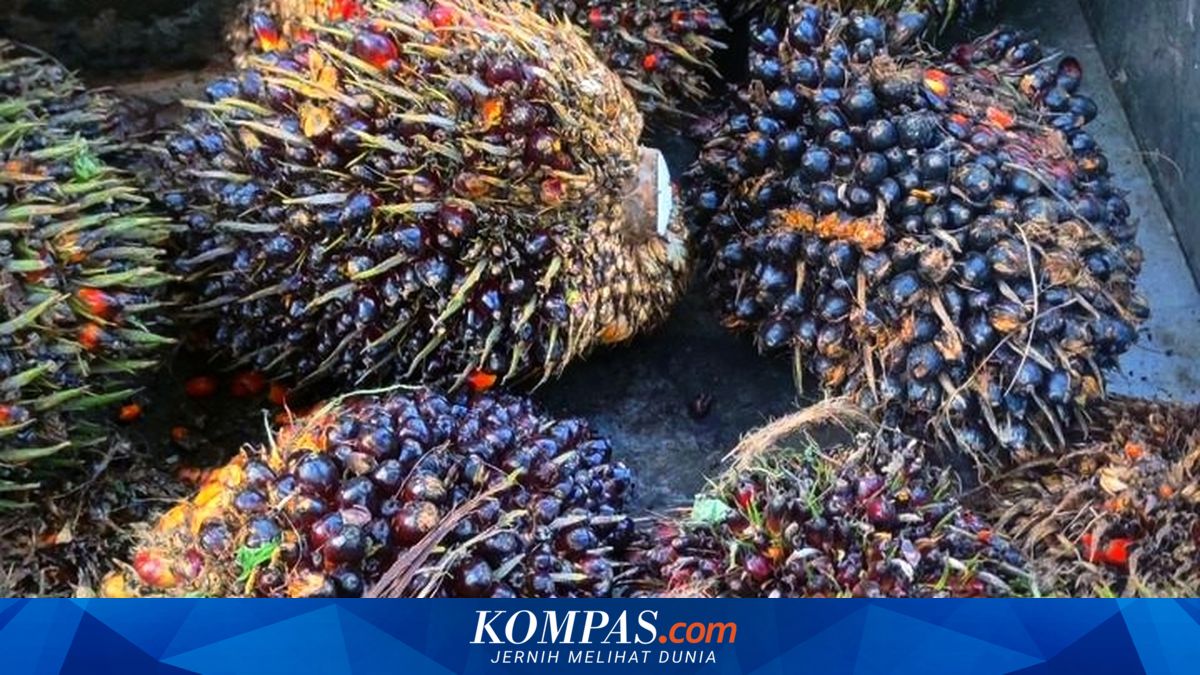
However, not all palm oil mills purchase fresh fruit bunches (FFB) at low prices. Some mills are not significantly affected by the single-window export policy through DSI. According to them, the pricing mechanism follows government formulas and official local guidelines, so plasma farmers receive prices based on regional determinations.
‘We are grateful that PT RMM buys our FFB at a high price, in line with Disbun regulations. Farmers can feel more at ease, balancing high fertiliser and fuel costs,’ explained Mujahit.
The palm oil farmers’ cooperative in Sikarakara village, Natal subdistrict, stated they maintain a positive and mutually beneficial relationship with PT RMM as the core company. This number has decreased compared to the Ministry of Agriculture’s initial finding of 139 mills purchasing below the reference price.
According to Sudaryono, the government has commended palm oil processing companies that adhere to TBS pricing rules and purchase harvests according to the applicable formula. This move is considered vital for safeguarding palm oil farmers’ welfare amid global commodity market volatility.