
Not All Indonesians Welcomed Independence
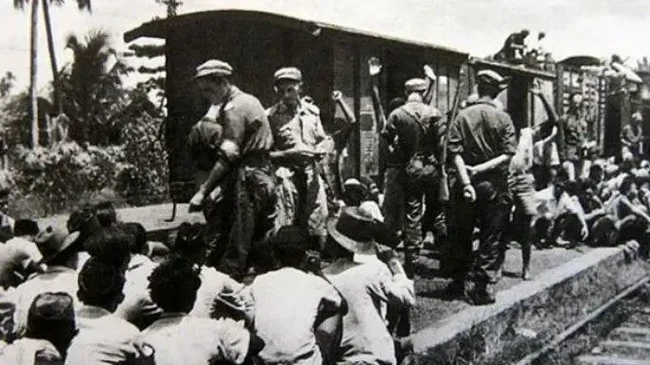
When the Proclamation of Independence was declared on 17 August 1945, nearly all Indonesians rejoiced. The proclamation marked the beginning of a new chapter in the life of a nation freed from the shackles of colonialism. From that moment, Indonesians began taking new steps to build a country that had only just been born. However, not everyone experienced independence as something that brought a better life.
The Dutch returned to Indonesia and attempted to restore their authority. War broke out across various regions. People from all walks of life became involved in the struggle to defend independence. Amid this situation, some groups actually wished to return to the era when the Dutch were in power. They considered life during the colonial period more ‘normal’ compared with the chaos that occurred after the Proclamation.
Referring to Denys Lombard’s Nusa Jawa Silang Budaya (2005), the term ‘normal times’ referred to life before the Japanese occupation or when the Dutch colonial government was still in power. It was called ‘normal’ because life at that time was considered to proceed as it should, whether in political, economic, social or cultural terms. Various aspects of life were regarded as more orderly, both in cities and villages.
This situation differed from the period after Indonesia proclaimed independence. War, violence and economic chaos occurred in various regions. This situation made some people feel that their lives had actually worsened after Indonesia became independent. On this basis, according to Lombard, there were a small number of Javanese and Sumatrans who were heavily influenced by the West and ultimately remained loyal subjects of the Dutch Queen until the end of their lives. Those who did not side with Indonesia were even willing to sell their possessions to leave Indonesia and spend their time in Amsterdam.
Longing for the colonial era was also felt by people who had previously worked for the Dutch administration. In the book Serdadu Belanda di Indonesia, 1945-1950 (2016), there is the story of a soldier who complained about his welfare after working for the Indonesian government. When he was still working for the Dutch Queen, his life was said to have been quite happy. After Indonesia became independent, he had to survive on whatever money he had.
Colonial civil servants experienced something similar. When the Dutch government left, the social standing they had previously enjoyed also changed. A life that had once been respectable and well-established was suddenly no longer the same. The priyayi and aristocrats also felt this change. Within the colonial structure, they had held high positions and received respect from ordinary people. After independence, that social structure changed. Some of them even became victims of violence and acts of revenge by ordinary people.
On this basis, Indonesian independence was evidently not received as welcome news by everyone. For groups that lost their positions, income or social status as a result of the collapse of the colonial system, independence was actually seen as a setback in their lives. Nevertheless, this situation does not mean that the majority of Indonesians rejected independence. The differing experiences show that the Proclamation of 17 August 1945 brought major changes whose impact was felt differently by each group in society.