
Not All Farmers Are Prepared to Face El Niño, UMY Expert Warns of Crop Failure Risks
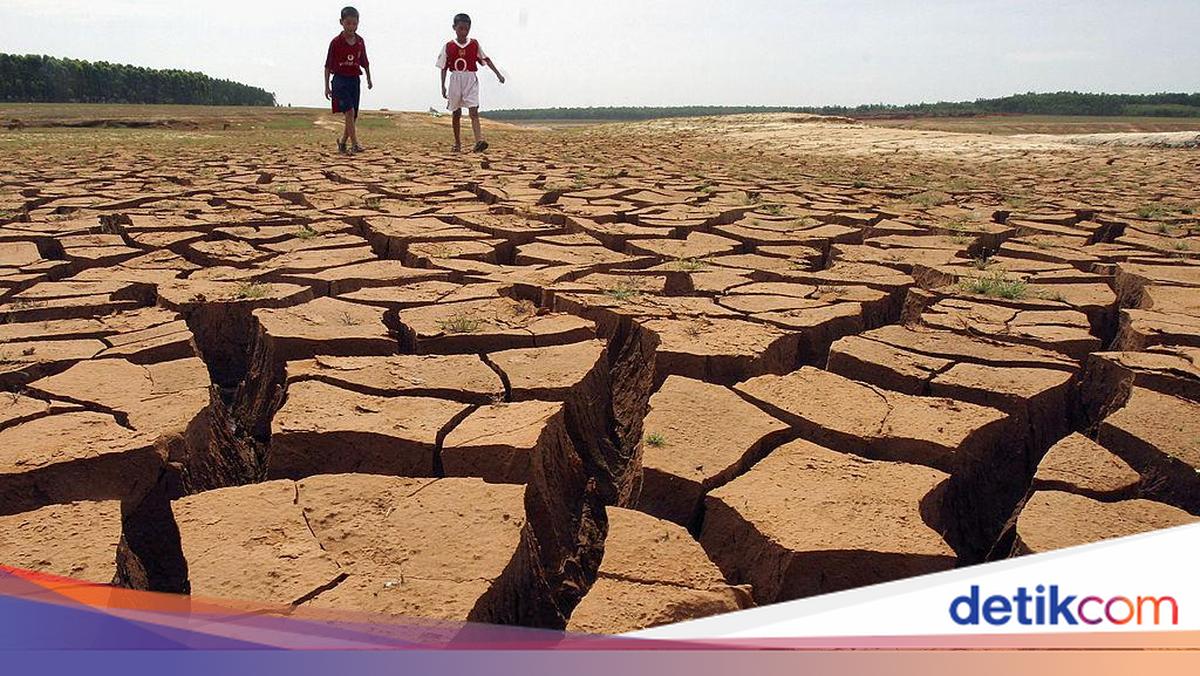
The El Niño phenomenon, predicted to strike several regions in Indonesia, is estimated to exert significant pressure on the agricultural sector. An expert from Universitas Muhammadiyah Yogyakarta (UMY) states that farmers’ preparedness is not uniform, potentially leading to a decline in national food production.
“The agricultural sector’s readiness to face prolonged drought still varies. Some regions in Indonesia already have adaptations such as technical irrigation and drought-resistant varieties, but many farmers still depend on rain, making them highly vulnerable,” said UMY Agribusiness lecturer, Dr. Aris Slamet Widodo, S.P., M.Sc, in his statement on Tuesday (7/4/2026).
“Early warning systems and extension services are already in place, but they are not evenly distributed, especially in delivering climate condition information to farmers,” he added.
Aris stated that the prolonged drought due to El Niño is predicted to cause land to lack water supply. The impact will be a decrease in harvest yields, even risking crop failure in areas without irrigation support.
“In areas without irrigation water supply, crop failure or even harvest failure can occur. Additionally, during dry periods, pest attacks such as rats and planthoppers usually increase. Drought also causes a decline in yield quality, such as the appearance of empty grains or smaller-sized produce,” he explained.
As is known, the Meteorology, Climatology, and Geophysics Agency (BMKG) predicts the likelihood of the El Niño phenomenon developing in the second semester of this year. BMKG also emphasises that the 2026 dry season is predicted to be drier and last longer than the normal average.
“Wetland rice is the most vulnerable because it requires a lot of water. Horticultural crops like chillies and tomatoes are also sensitive to drought. Maize is affected mainly in the early planting phase, while young plantation crops such as coffee, cocoa, and oil palm also need to be anticipated, including the potential for fires in plantation areas,” Aris added.
This condition shows that the impact of prolonged drought not only affects the quantity of agricultural output but also its quality and production sustainability. Therefore, more uniform preparedness and proper distribution of climate information become important factors in minimising the risk of production decline during the El Niño period.
Source: jawawa.id (https://jawawa.id/newsitem/not-all-farmers-are-prepared-to-face-el-nino-umy-expert-warns-of-crop-failure-risks-1775602278)
Originally published by detikJogja (https://www.detik.com/jogja/jogja-kerta/d-8433472/tak-semua-petani-siap-hadapi-el-nino-pakar-umy-ingatkan-risiko-gagal-panen), translated from Indonesian